Seven (1995) Movie Guide | Cast, Story, Review, Ending Explained & Where to Watch


Seven (1995)

⭐ IMDb Rating: 8.6
🎭 Genre: Crime, Drama, Mystery
⏱ Runtime: 127 min
🎬 Director: David Fincher
📅 Released: 22 Sep 1995
🌍 Country: United States
Introduction
In the annals of cinematic thrillers, few films have left as indelible a mark as David Fincher's 1995 masterpiece, "Seven" (stylized as "Se7en"). This neo-noir psychological crime drama redefined the genre, plunging audiences into a relentlessly bleak and morally complex world. Starring Brad Pitt and Morgan Freeman as two detectives on the hunt for a sadistic serial killer, the film immediately distinguished itself with its audacious narrative, groundbreaking visual style, and an atmosphere of pervasive dread that grips viewers from its opening frames. "Seven" transcended typical Hollywood thrillers, offering a profound and often disturbing meditation on human nature, sin, and the relentless pursuit of justice in a world seemingly devoid of hope. Its influence can be seen across countless films and television shows that followed, cementing its status as a true landmark of 1990s cinema and a must-watch for anyone appreciating a film that dares to challenge and provoke. Prepare to enter a world where every shadow hides a secret, and every clue leads deeper into darkness.
Story
The narrative of "Seven" unfolds in an unnamed, perpetually rain-soaked city, a grim urban labyrinth that mirrors the darkness within the story itself. The film introduces us to Detective David Mills (Brad Pitt), a brash, idealistic newcomer to the homicide department, and his weary, world-weary partner, Detective William Somerset (Morgan Freeman), who is just a week away from retirement. Their contrasting personalities form the backbone of the investigation as they are plunged into a horrifying series of murders, each meticulously crafted and seemingly inspired by the Seven Deadly Sins. As the body count rises and the killer's gruesome methodology becomes chillingly clear, Mills and Somerset find themselves in a race against time, desperately trying to understand the killer's motives before he completes his macabre design. The film masterfully builds suspense, drawing viewers deeper into a psychological chess match where the stakes are unfathomably high, and the line between good and evil blurs with every shocking discovery. It’s a relentless descent into a macabre puzzle where every piece brings them closer to an unimaginable truth.
Main Cast

Yul Brynner
Chris Adams

Eli Wallach
Calvera
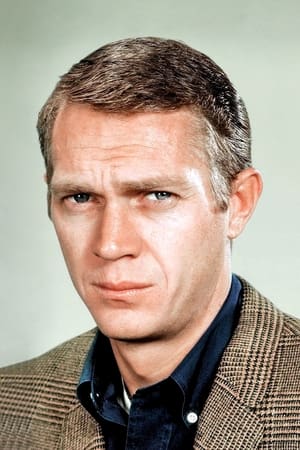
Steve McQueen
Vin

Charles Bronson
Bernardo O'Reilly
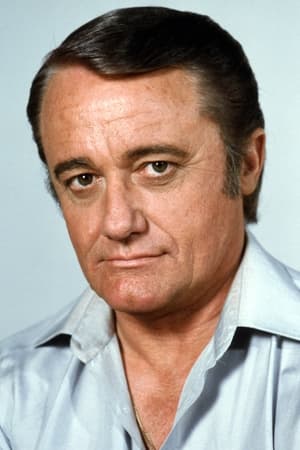
Robert Vaughn
Lee
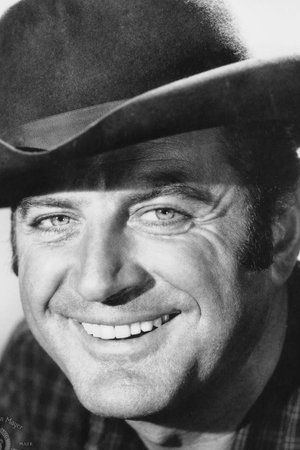
Brad Dexter
Harry Luck

James Coburn
Britt
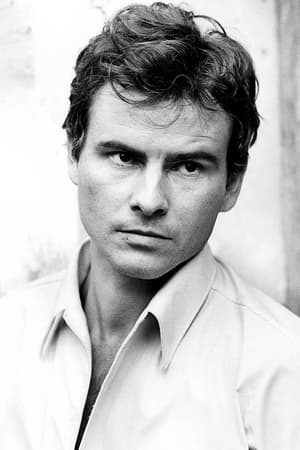
Horst Buchholz
Chico
Movie Information
| IMDb Rating | 8.6 |
| Genre | Crime, Drama, Mystery |
| Runtime | 127 min |
| Director | David Fincher |
| Writer | Andrew Kevin Walker |
| Actors | Morgan Freeman, Brad Pitt, Kevin Spacey |
| Language | English |
| Country | United States |
| Awards | Nominated for 1 Oscar. 29 wins & 44 nominations total |
| Released | 22 Sep 1995 |
Cast Performance
The power of "Seven" is significantly amplified by the compelling performances of its lead actors. Brad Pitt delivers a career-defining turn as Detective David Mills, perfectly embodying the character's youthful impulsiveness and simmering rage, which often clashes with the somber reality of their investigation. His portrayal is raw and emotionally charged, making his journey through the film's horrors deeply visceral. Counterbalancing Pitt's intensity is Morgan Freeman as Detective William Somerset, whose nuanced performance exudes gravitas, wisdom, and a profound weariness. Freeman masterfully conveys Somerset's quiet despair and his methodical, analytical approach to the case, grounding the film with a palpable sense of experience and impending dread. Together, their dynamic forms the emotional core of the film, showcasing a fascinating generational and philosophical divide. Gwyneth Paltrow, in a crucial supporting role as Mills' wife, Tracy, provides a necessary touch of humanity and vulnerability, serving as an anchor to the characters' personal lives amidst the encroaching darkness. Their collective synergy elevates "Seven" beyond a mere thriller, transforming it into a profound character study.
Cinematography
The visual language of "Seven" is as integral to its impact as its gripping narrative, a testament to David Fincher's meticulous direction and Darius Khondji's masterful cinematography. The film is drenched in a pervasive sense of gloom, characterized by a desaturated color palette dominated by grays, blacks, and murky browns, creating an oppressive and often claustrophobic atmosphere. The unnamed city itself becomes a character, perpetually rain-soaked and shadowed, reflecting the moral decay at the heart of the story. Khondji frequently employs deep shadows and practical lighting to heighten tension and obscure details, forcing the audience to lean in and scrutinize every frame. The camera work is precise, often utilizing unsettling close-ups and deliberate, slow movements that build dread. This visual style, often referred to as 'neo-noir,' not only establishes the film's unique aesthetic but also reinforces its thematic concerns about the hidden darkness within society. It’s a visual feast of despair, crafted to immerse viewers completely in its unsettling world.
Soundtrack
The auditory experience of "Seven" is a crucial, often unsettling, component of its immersive power. Howard Shore's original score is a masterclass in atmospheric tension, rarely relying on traditional melodic themes but rather on dissonant strings, deep orchestral rumblings, and unsettling soundscapes that mirror the film's psychological horror. His compositions subtly underscore the dread and moral decay, weaving in and out of scenes almost imperceptibly, yet profoundly affecting the viewer's emotional state. Beyond the score, the film's sound design is equally impactful. The constant drip of rain, the distant sirens, and the unsettling ambient noises of the city create a visceral, almost tangible sense of an urban environment teetering on the edge of chaos. And, of course, the iconic opening sequence, set to Nine Inch Nails' 'Closer,' perfectly establishes the film's dark, gritty, and industrial tone, immediately signaling that audiences are in for a deeply unsettling experience. The sound, much like the visuals, is designed not just to complement the story, but to actively participate in the psychological torment.
Review
"Seven" stands as a towering achievement in the psychological thriller genre, a film that dared to push boundaries and challenge audience expectations. Critics lauded its unflinching gaze into the darkest corners of human depravity, applauding David Fincher's confident direction and Andrew Kevin Walker's exceptionally clever, albeit disturbing, screenplay. The film's brilliance lies not just in its intricate plotting and shocking twists, but in its ability to delve deep into philosophical questions about morality, justice, and the nature of evil, without ever sacrificing its relentless pace or gripping suspense. Its unsettling atmosphere, driven by phenomenal acting, a haunting score, and groundbreaking cinematography, creates an experience that lingers long after the credits roll. "Seven" avoids easy answers, instead opting for a challenging and thought-provoking conclusion that sparked countless discussions and cemented its place as a modern classic. It's a film that commands attention, provokes thought, and leaves an indelible mark on its viewers, solidifying its reputation as a benchmark for intelligent, dark cinema.
Box Office
Upon its release in 1995, "Seven" proved to be a significant commercial success, far exceeding initial expectations for a dark, R-rated psychological thriller. Produced on a modest budget of approximately $33 million, the film went on to gross over $100 million domestically and a remarkable $327 million worldwide. This impressive box office performance solidified its status as a sleeper hit and demonstrated that audiences were hungry for intelligent, challenging, and often uncomfortable cinema. Its success helped to elevate David Fincher into the A-list of Hollywood directors and proved Brad Pitt's versatility beyond his rising heartthrob status. The strong word-of-mouth generated by its intense plot and unforgettable ending contributed significantly to its sustained theatrical run. "Seven's" financial triumph not only made it one of the highest-grossing films of 1995 but also influenced studios to greenlight more adult-oriented, genre-bending thrillers, leaving a lasting impact on the landscape of commercial filmmaking.
Awards
While "Seven" was a critical and commercial sensation, its unique and often disturbing nature meant it didn't fit neatly into traditional awards categories, though it did receive significant recognition. The film notably earned an Academy Award nomination for Best Film Editing for Richard Francis-Bruce, a testament to its tight pacing and masterful construction that keeps audiences on the edge of their seats. Beyond the Oscars, "Seven" garnered several nominations and wins from various critics' associations and film bodies. It received multiple BAFTA Award nominations, including Best Original Screenplay, Best Cinematography, Best Editing, and Best Special Effects. David Fincher's direction and the film's overall impact were frequently lauded, earning him recognition from groups like the New York Film Critics Circle. Though it didn't sweep the major awards ceremonies, its enduring legacy and critical acclaim far outweigh any lack of trophy cabinet space, demonstrating its profound artistic and cultural significance in cinema history.
Who Should Watch This Movie?
"Seven" is an essential watch for cinephiles who appreciate psychological thrillers that push the boundaries of storytelling and visual artistry. If you are drawn to dark, atmospheric films that delve into complex moral dilemmas and the darker aspects of human nature, this movie belongs at the top of your watch list. Fans of neo-noir crime dramas, intricate police procedurals, and films with unexpected twists will find themselves completely engrossed. Those who enjoy the directorial style of David Fincher, known for his meticulous detail and suspenseful narratives, will recognize his signature touch throughout. However, be advised that "Seven" is not for the faint of heart; it contains graphic themes, disturbing imagery, and a relentlessly bleak tone. Viewers seeking a thought-provoking, mature, and unforgettable cinematic experience that sparks discussion long after viewing will find "Seven" to be a profoundly impactful and rewarding film.
Frequently Asked Questions
Who directed the movie 'Seven'?
'Seven' was directed by the acclaimed filmmaker David Fincher, known for his distinctive visual style and dark psychological thrillers.
What genre does 'Seven' belong to?
'Seven' is primarily a psychological thriller and a neo-noir crime drama, blending elements of detective mystery with profound philosophical undertones.
Is 'Seven' a scary movie?
While 'Seven' is not a horror film in the traditional sense, it is extremely intense, disturbing, and features gruesome themes and imagery that can be profoundly unsettling and suspenseful.
Who are the main actors in 'Seven'?
The film stars Brad Pitt as Detective David Mills and Morgan Freeman as Detective William Somerset. Gwyneth Paltrow also plays a significant supporting role as Tracy Mills.
What is 'Seven' rated, and why?
'Seven' is rated R by the MPAA for strong gruesome violence, language, and some sexuality. It contains mature themes and graphic content that make it unsuitable for younger audiences.
Official Trailer
You May Also Like

Shane
1953
⭐ 7.3
My Darling Clementine
1946
⭐ 7.5
Bill Tilghman and the Outlaws
2019
⭐ 6.5

Last of the Renegades
1964
⭐ 6.7
The Treasure of the Sierra Madre
1948
⭐ 8.0

Hang 'em High
1968
⭐ 6.9
Related Movies
Conclusion
"Seven" remains a monumental achievement in modern cinema, a film that not only entertained but also challenged, disturbed, and provoked its audience with equal measure. David Fincher's masterful direction, combined with stellar performances, groundbreaking cinematography, and a haunting score, coalesced to create a psychological thriller that redefined the genre. Its unflinching exploration of morality, justice, and the abyss of human evil continues to resonate decades after its release, cementing its place as a benchmark for intelligent, dark storytelling. More than just a serial killer movie, "Seven" is a profound commentary on the human condition, a relentless descent into darkness that leaves an indelible mark. For anyone seeking a truly impactful and unforgettable cinematic experience, "Seven" is not merely a film to watch, but an experience to endure and reflect upon, ensuring its enduring legacy as a true masterpiece of its era and beyond.
To get more information check TMDB.