Metropolis (1927) Movie Guide | Cast, Story, Review, Ending Explained & Where to Watch
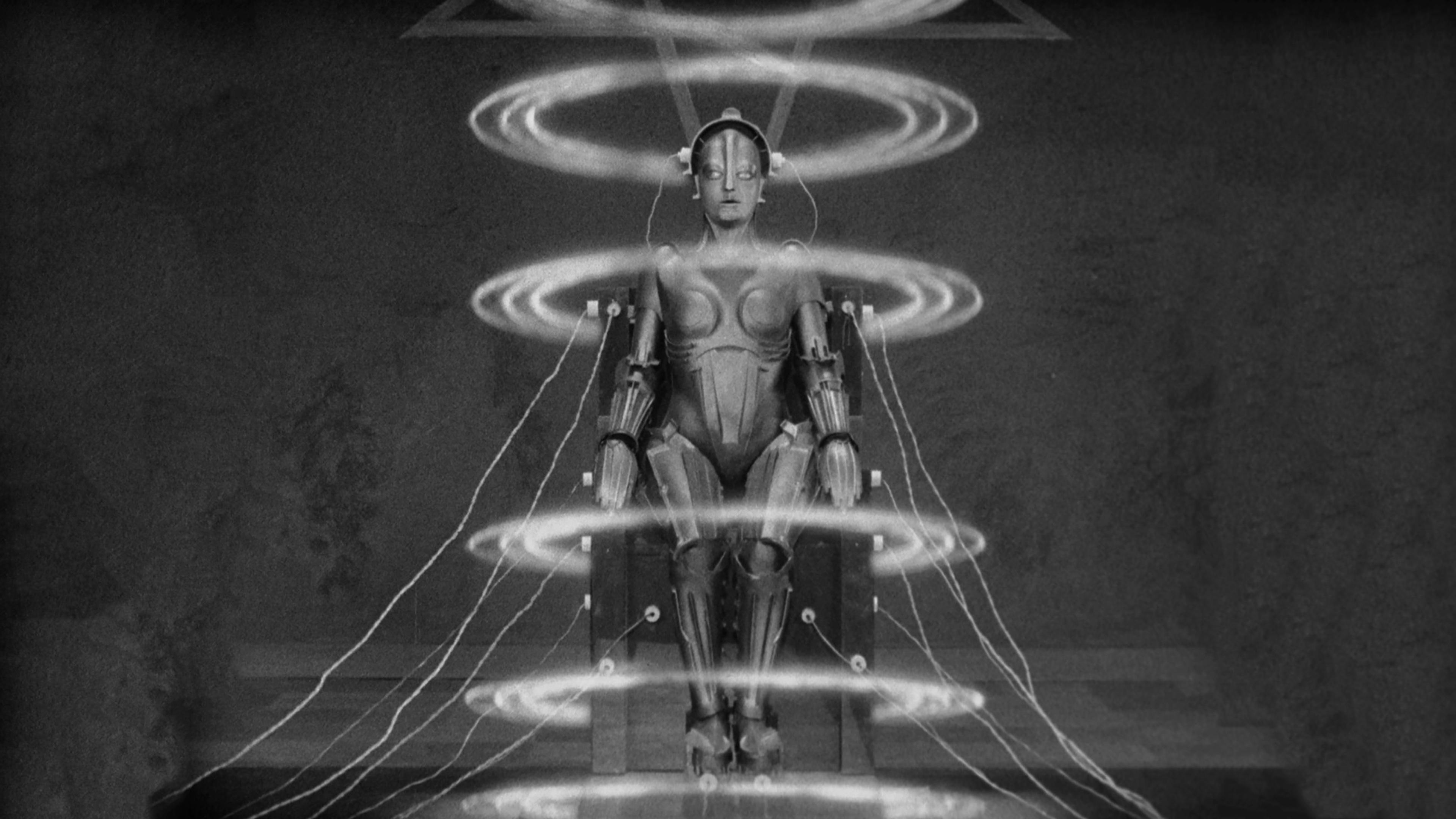

Metropolis (1927)
⭐ IMDb Rating: 8.2
🎭 Genre: Drama, Sci-Fi
⏱ Runtime: 153 min
🎬 Director: Fritz Lang
📅 Released: 13 Mar 1927
🌍 Country: Germany
Introduction
Fritz Lang’s "Metropolis" (1927) stands as an undisputed titan of cinematic history, a visionary silent film that continues to awe and inspire nearly a century after its premiere. This German Expressionist science fiction epic transports viewers to a stunningly imagined dystopian future, where societal divisions are starkly rendered. It’s more than just a movie; it’s a cultural touchstone that pushed the boundaries of filmmaking technology and thematic depth in its era. Its groundbreaking visuals and powerful narrative laid foundational stones for countless sci-fi narratives and cinematic techniques that followed, cementing its legacy as a true masterpiece.
Story
At the core of "Metropolis" lies a compelling narrative exploring themes of class, power, and the human spirit within a highly stratified society. The film envisions a magnificent futuristic city where an elite class of thinkers enjoys opulent lives above ground, while a vast workforce toils in dangerous subterranean factories. This dramatic division sets the stage for a poignant exploration of social justice and the desperate need for understanding between opposing worlds. The story introduces a young man from the upper echelons who becomes aware of the harsh realities below, sparking a desire to bridge the chasm separating the two societal layers. A charismatic leader emerges among the workers, advocating for their rights and ultimately embodying the hope for mediation. The film masterfully weaves together elements of melodrama, sci-fi, and social commentary into a visually arresting allegory that remains incredibly relevant today.
Main Cast

Gustav Fröhlich
Freder Fredersen

Brigitte Helm
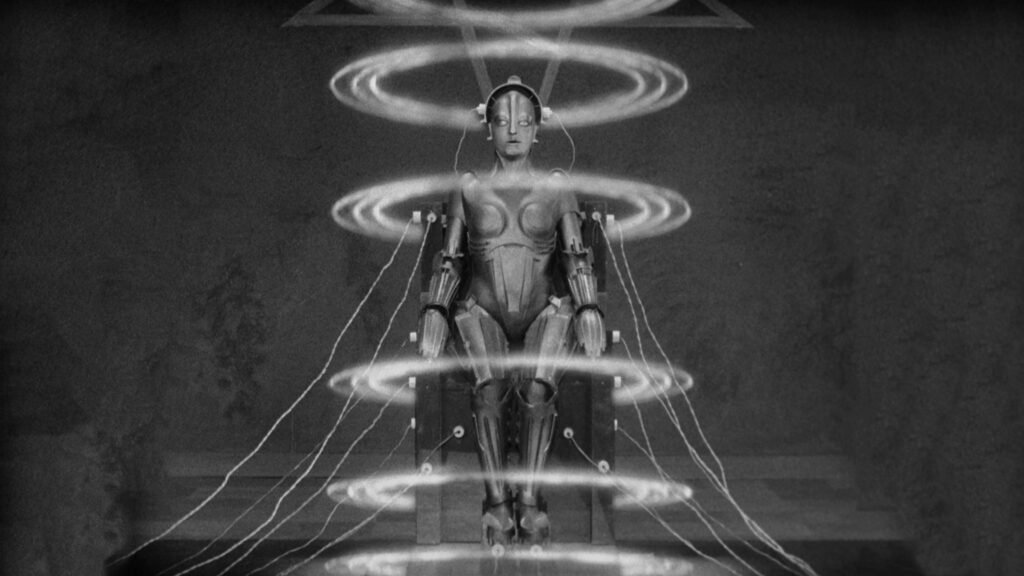
Maria / The Machine Man

Alfred Abel
Johann 'Joh' Fredersen

Rudolf Klein-Rogge
C.A. Rotwang

Theodor Loos
Josaphat

Fritz Rasp
The Thin Man
Erwin Biswanger
No. 11811 - Georgy

Heinrich George
Grot
Movie Information
| IMDb Rating | 8.2 |
| Genre | Drama, Sci-Fi |
| Runtime | 153 min |
| Director | Fritz Lang |
| Writer | Thea von Harbou, Fritz Lang |
| Actors | Brigitte Helm, Alfred Abel, Gustav Fröhlich |
| Language | German, None |
| Country | Germany |
| Awards | 7 wins & 6 nominations total |
| Released | 13 Mar 1927 |
Cast Performance
The performances in "Metropolis" are a testament to the power of silent acting, with the cast conveying complex emotions and character arcs through exaggerated movements and profound facial expressions. Brigitte Helm delivers an iconic dual performance as Maria, the compassionate advocate for the workers, and her robotic doppelgänger, bringing an eerie dichotomy to the screen. Her physical transformation and ability to project both grace and menacing artifice are truly remarkable. Alfred Abel portrays the city's stern master, Joh Fredersen, with a commanding presence that gradually softens as his character grapples with the unfolding events. Gustav Fröhlich, as Freder, the idealistic son, embodies youthful zeal and burgeoning empathy, his journey driving much of the film's emotional core. Each actor’s ability to communicate without dialogue contributes significantly to the film's enduring impact, relying on pure artistry to captivate the audience.
Cinematography
"Metropolis" is a visual feast, a testament to the unparalleled artistry and technical innovation of its time, primarily spearheaded by cinematographers Karl Freund and Günther Rittau. The film’s groundbreaking production design creates a breathtakingly grand and intricate futuristic city, realized through innovative miniature models and elaborate set pieces. Its iconic imagery, from the towering skyscrapers to the intricate machinery of the underworld, demonstrates a mastery of visual storytelling. The German Expressionist influence is evident in the striking use of light and shadow, chiaroscuro lighting, which adds dramatic depth and a sense of ominous beauty to every frame. These visionary techniques set new standards for special effects and architectural grandeur in cinema, inspiring generations of filmmakers.
Soundtrack
As a silent film, "Metropolis" originally relied on live orchestral accompaniment to enhance its narrative and emotional impact. The monumental original score was composed by Gottfried Huppertz, providing a rich, symphonic tapestry that guides the viewer through the film's grand scale and intimate moments. This score is integral to the film's atmosphere, underscoring the tension, romance, and dramatic weight of each scene with powerful musical motifs. Over the decades, "Metropolis" has seen various re-scores and adaptations, reflecting different artistic interpretations and technological advancements in sound. Regardless of the version, the music remains a critical component, elevating the visual spectacle and ensuring that the film's emotional resonance transcends its lack of spoken dialogue, making it a truly immersive experience.
Review
"Metropolis" is an unparalleled cinematic achievement, a film that, even almost a century later, feels astonishingly modern and profoundly relevant. Critics and audiences alike continue to laud its visionary production design, groundbreaking special effects, and its poignant social commentary. The film's themes of class conflict, technological progress, and the search for human understanding resonate deeply, making it much more than just a historical artifact. It's a challenging yet rewarding viewing experience, a true testament to the power of visual storytelling and the enduring legacy of Fritz Lang's artistic ambition. This silent epic stands as a foundational text in science fiction cinema, influencing countless dystopian narratives and visual styles.
Box Office
The initial financial performance of "Metropolis" was notoriously complex and challenging, especially given its gargantuan budget for the era, which made it the most expensive film produced in Germany at the time. Despite its ambitious scope and significant artistic merit, the film struggled to recoup its costs upon its initial release. Its lengthy runtime and often grim themes presented difficulties for audiences and distributors, leading to extensive cuts and re-edits in various international markets. While precise box office figures are difficult to ascertain for a film of this vintage, it's widely acknowledged that "Metropolis" was a commercial disappointment for Ufa, the German studio behind it. However, its reputation grew over time, evolving into a cult classic and eventually a revered masterpiece, far outweighing its initial box office woes.
Awards
While the traditional awards landscape for films in 1927 was vastly different from today, "Metropolis" has received profound recognition for its monumental contribution to art and culture. It has been extensively honored through preservation efforts and its placement on countless lists of the greatest films ever made. Notably, UNESCO inscribed "Metropolis" into its Memory of the World Register in 2001, making it the first film ever to receive such an honor, recognizing its exceptional universal value. The painstaking restoration projects, which have brought lost footage back to light, are in themselves a form of retrospective award, highlighting its enduring importance. Its influence on subsequent generations of filmmakers and its permanent place in cinematic history stand as its most significant accolades.
Who Should Watch This Movie?
Anyone with an appreciation for film history, groundbreaking visual effects, or compelling dystopian narratives should absolutely watch "Metropolis." This film is essential viewing for students of cinema, science fiction enthusiasts, and anyone interested in the intersection of art, technology, and social commentary. If you enjoy visually rich storytelling and appreciate films that spark deep philosophical discussions, this silent epic will captivate you. It’s also a must-see for those curious about German Expressionism and how early cinema laid the groundwork for modern filmmaking techniques. Prepare to be immersed in a truly unique and powerful cinematic experience that transcends its historical context.
Frequently Asked Questions
Why is "Metropolis" considered a masterpiece of silent cinema?
"Metropolis" is celebrated for its groundbreaking visual effects, stunning production design, and profound social commentary, which were revolutionary for its era. Its intricate storyline and powerful imagery established new benchmarks for cinematic ambition and influence in science fiction. The film's enduring themes and artistic innovation continue to resonate with audiences and filmmakers today.
Who directed the film "Metropolis"?
The iconic silent film "Metropolis" was directed by the legendary German-Austrian filmmaker Fritz Lang. Lang is renowned for his mastery of visual storytelling and his contributions to the German Expressionist movement. His distinctive directorial vision brought the futuristic city and its complex narrative to life on screen.
Is "Metropolis" a purely silent film, or does it have music?
"Metropolis" is indeed a silent film, meaning it does not feature synchronized spoken dialogue. However, it was originally released with a full orchestral score composed by Gottfried Huppertz, intended to be performed live with the film. Modern screenings often feature this restored score or various contemporary re-imaginings to enhance the viewing experience.
What are the main themes explored in "Metropolis"?
The film delves into several powerful themes, primarily focusing on class conflict, the dehumanizing effects of industrialization, and the search for understanding between different societal groups. It explores the relationship between capital and labor, the dangers of technological advancement without empathy, and the idea that 'the mediator between head and hands must be the heart.' These concepts remain incredibly relevant.
How long is the most complete restored version of "Metropolis"?
Following extensive restoration efforts, particularly with the discovery of lost footage in 2008, the most complete and widely accepted restored version of "Metropolis" runs approximately 153 minutes (2 hours and 33 minutes). This version brings the film much closer to its original intended length and narrative completeness. Earlier versions were often heavily truncated due to initial commercial pressures.
Official Trailer
You May Also Like
The Fortress
2017
⭐ 6.8

The Bastards' Fig Tree
2017
⭐ 6.1
Puck
1942
⭐ 8.1

All of Us Strangers
2023
⭐ 7.4
Black Crown
1951
⭐ 5.4
Citizen Kane
1941
⭐ 8.0
Related Movies
Conclusion
"Metropolis" remains a profound and vital work of art, a towering achievement in silent cinema that continues to resonate with audiences worldwide. Its innovative visual language, compelling thematic depth, and groundbreaking technical prowess solidify its position as an enduring masterpiece. Fritz Lang’s visionary tale of division and reconciliation, set against a backdrop of awe-inspiring architecture, proves that powerful storytelling transcends dialogue and time. This film is more than just a historical curiosity; it’s a living, breathing testament to the power of imagination and the lasting impact of truly revolutionary filmmaking. Its legacy will undoubtedly continue to inspire and challenge for generations to come. You will also like The Trauma Show 1998.
Learn more about Metropolis on
Official TMDb Page