
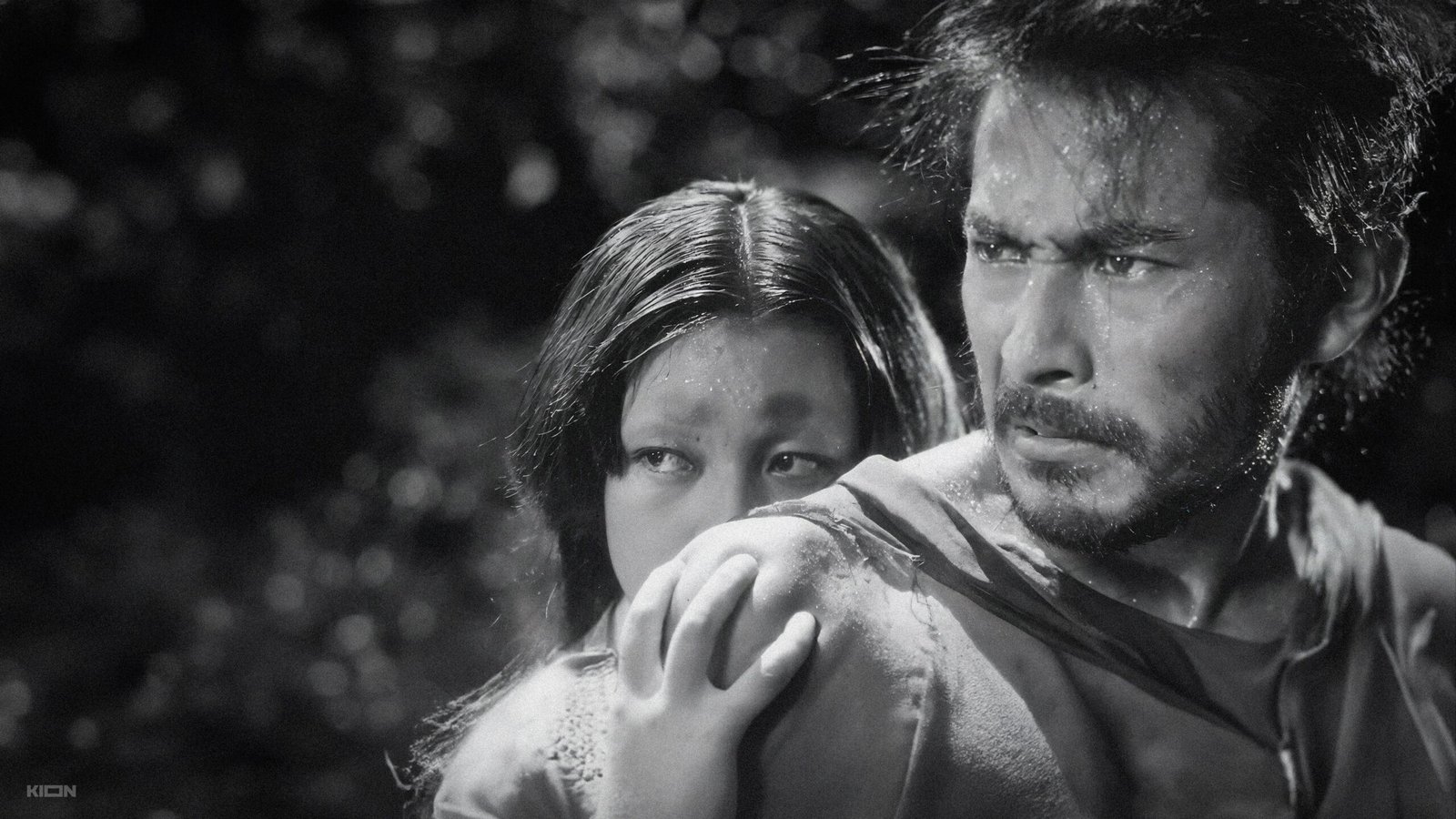
Rashomon (1950)
⭐ IMDb Rating: 8.1
🎭 Genre: Crime, Drama, Mystery
⏱ Runtime: 88 min
🎬 Director: Akira Kurosawa
📅 Released: August 25, 1950 (Japan premiere)
🌍 Country: Japan
Introduction
Akira Kurosawa’s 1950 masterpiece, "Rashomon," stands as a pivotal moment in cinematic history, forever altering global perceptions of Japanese filmmaking. This iconic drama introduced the world to an unparalleled approach to storytelling, challenging viewers to ponder the elusive nature of truth. Its profound narrative and innovative techniques cemented its place as a classic film, influencing generations of directors and screenwriters worldwide. "Rashomon" is not merely a film; it is a cinematic experience that continues to resonate with audiences today, inviting contemplation long after the credits roll. It brilliantly showcases Kurosawa's directorial genius and the power of complex human narratives.
Story
At its heart, "Rashomon" unravels a compelling mystery through a series of contradictory testimonies. The film centers on the aftermath of a samurai's murder and the assault of his wife, as recounted by various individuals present at the event. Audiences are presented with wildly divergent accounts from a bandit, the wife, the murdered samurai (through a medium), and a woodcutter who witnessed part of the incident. This unique narrative structure compels viewers to question the reliability of memory and the subjective nature of truth, leaving them to piece together their own understanding. The story, set against the backdrop of a desolate Rashomon gate in ancient Japan, explores deep psychological themes and the fundamental complexities of human perception. It masterfully illustrates how individual biases and desires can shape the retelling of events.
Main Cast
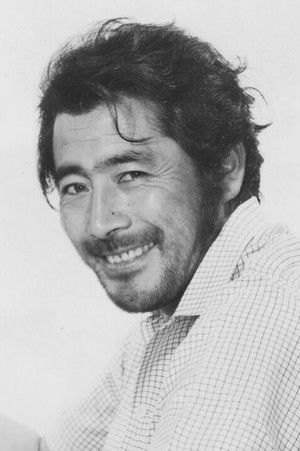
Toshirō Mifune
Tajômaru
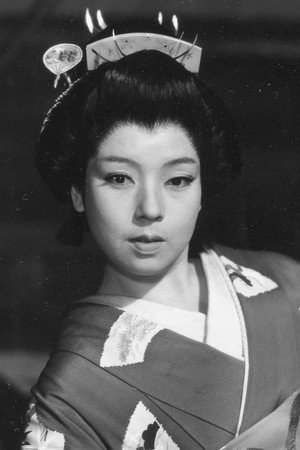
Machiko Kyō
Masako
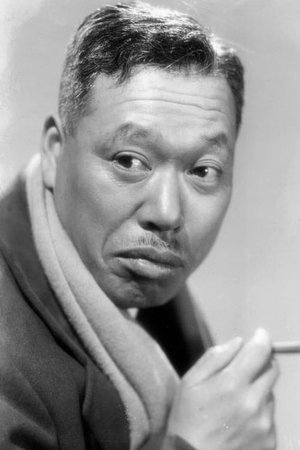
Takashi Shimura
Woodcutter
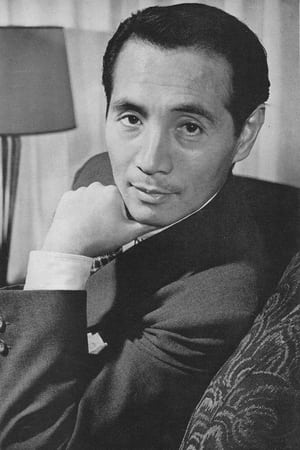
Masayuki Mori
Takehiro
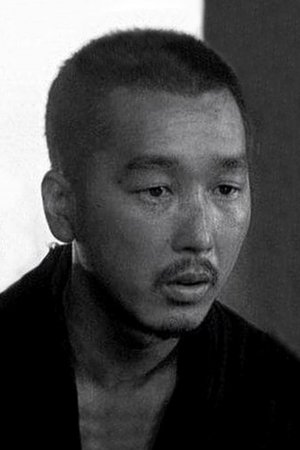
Minoru Chiaki
Priest
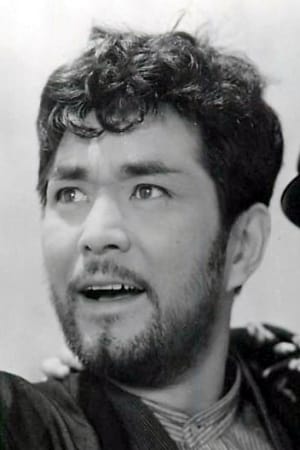
Kichijirō Ueda
Commoner
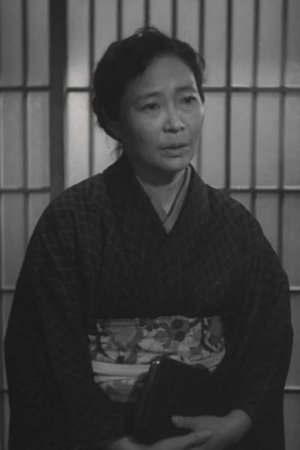
Noriko Honma
Medium
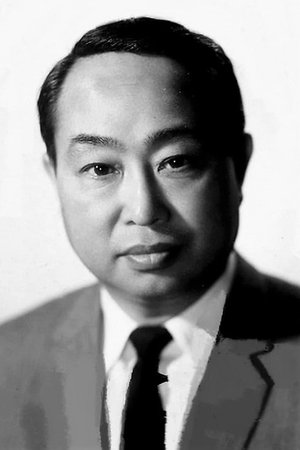
Daisuke Katō
Policeman
Movie Information
| IMDb Rating | 8.1 |
| Genre | Crime, Drama, Mystery |
| Runtime | 88 min |
| Director | Akira Kurosawa |
| Writer | Ryûnosuke Akutagawa, Akira Kurosawa, Shinobu Hashimoto |
| Actors | Toshirô Mifune, Machiko Kyô, Masayuki Mori |
| Language | Japanese |
| Country | Japan |
| Awards | Nominated for 1 Oscar. 9 wins & 5 nominations total |
| Released | 26 Dec 1951 |
Cast Performance
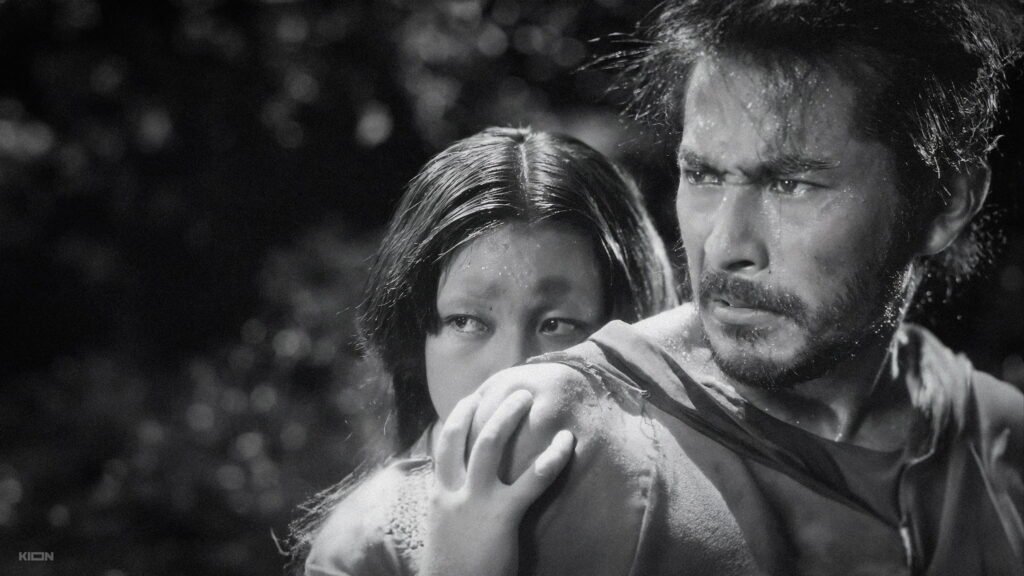
The success of "Rashomon" is inextricably linked to its powerful ensemble cast, whose compelling performances bring Kurosawa’s vision to life. Toshiro Mifune, as the bandit Tajomaru, delivers an electrifying and unforgettable portrayal, exuding raw charisma and fierce energy. Machiko Kyo captivates as the wife, her shifting emotional states adding layers of ambiguity to the unfolding drama. Masayuki Mori provides a haunting presence as the slain samurai, communicating volumes even in his ethereal testimony. Takashi Shimura, as the woodcutter, grounds the story with a sense of weary realism. Each actor masterfully navigates their character's subjective truth, making every perspective feel intensely authentic and deeply human. Their legendary performances are central to the film’s enduring impact.
Cinematography
"Rashomon" is a visual triumph, thanks to Kazuo Miyagawa's groundbreaking black and white cinematography. The film’s striking imagery uses natural light to create dramatic contrasts and deep shadows, enhancing its atmospheric quality and psychological depth. Kurosawa and Miyagawa innovated by shooting directly into the sun, a technique previously avoided, to create a sense of blinding truth and stark reality. This bold choice adds a unique visual texture, underscoring the film's thematic exploration of light and shadow in human nature. Dynamic camera movements, including the famous tracking shots through the forest, immerse the audience directly into the unfolding narratives. These stunning visuals are not just aesthetically pleasing but are integral to the film's powerful storytelling and enduring legacy.
Soundtrack
Fumio Hayasaka's original score for "Rashomon" plays a crucial role in establishing the film's suspenseful and contemplative atmosphere. The music, often sparse yet impactful, enhances the tension and emotional nuances of each conflicting testimony. Hayasaka masterfully blends traditional Japanese musical elements with a distinctive Western-influenced style, creating a score that feels both ancient and modern. His innovative use of a Ravel-inspired Boléro rhythm, particularly during the iconic forest sequences, creates a hypnotic and unsettling mood. The soundtrack doesn't just accompany the visuals; it deepens the psychological weight of the narrative, guiding the audience through the labyrinth of subjective truths. This iconic film music is an essential component of the cinematic experience.
Review
"Rashomon" remains an undeniable cinematic masterpiece, celebrated for its revolutionary narrative structure and profound philosophical insights. Kurosawa's film is a compelling exploration of human nature, memory, and the elusive concept of absolute truth. Its daring approach to storytelling, presenting multiple, contradictory perspectives of a single event, was groundbreaking and continues to inspire filmmakers today. The film challenges viewers to actively engage with the material, fostering a deep intellectual and emotional connection. Its timeless themes and brilliant execution ensure its place as one of the most influential and thought-provoking films ever made. It's a testament to Kurosawa's genius and an essential watch for any serious film enthusiast.
If you enjoyed this film, check out our guides to Psycho (1960) and Vertigo (1958) for more great movie recommendations.
Ending Explained
Spoiler warning: this section describes the final act of Rashomon (1950).
After four contradictory accounts of the samurai's death — the bandit Tajōmaru's boastful duel, the wife's shame-driven version, the husband's medium-channeled suicide, and the woodcutter's "neutral" eyewitness telling — Kurosawa offers no verdict on which is true. The priest, who has lost faith in humanity listening to the lies, is ready to abandon a found crying baby in the ruins.
The woodcutter — himself revealed as a liar who stole the woman's dagger — asks to adopt the baby. The priest, witnessing this single unselfish act, finds his faith restored: that if men don't trust each other, the world becomes hell The final shot is the baby crying as rain stops and sun breaks through. Kurosawa's point is not that truth is unknowable but that the impulse toward goodness persists even in a world of self-serving stories — the "explanation" is that the search for objective truth matters less than the choice to act humanely.
Box Office
While precise historical box office figures for "Rashomon" in its initial 1950 Japanese release are difficult to definitively ascertain, its impact far transcended mere commercial numbers. The film achieved modest success domestically, but its true box office triumph lay in its unprecedented international reception. "Rashomon" was the first Japanese film to gain widespread critical acclaim globally, effectively opening the world market to Japanese cinema. Its groundbreaking distribution to Western audiences, following its prestigious festival wins, brought an entirely new cultural perspective to cinemas worldwide. This critical and cultural 'box office' success made it an influential benchmark for foreign language films seeking international recognition, forever altering the landscape of global cinema.
Awards
"Rashomon" garnered immediate and significant international recognition, firmly establishing Akira Kurosawa and Japanese cinema on the global stage. Its most prominent triumph came at the 1951 Venice Film Festival, where it was awarded the prestigious Golden Lion, the festival's highest honor. This landmark victory marked the first time a Japanese film had received such a major international award. The film's critical success continued in the United States, culminating in an Honorary Academy Award in 1952, recognized as the Best Foreign Language Film released in the U.S. during the preceding year. These prestigious awards were instrumental in bringing this powerful drama to a worldwide audience, highlighting its universal themes and exceptional artistry.
Who Should Watch This Movie?
Anyone with an appreciation for profound storytelling and groundbreaking cinema should make "Rashomon" a priority. This film is a must-watch for cinephiles, film students, and those interested in the evolution of narrative techniques. If you enjoy psychological dramas that delve into the complexities of human nature and subjective perception, "Rashomon" will deeply resonate with you. It’s also an essential viewing for anyone curious about classic Japanese cinema and the works of legendary director Akira Kurosawa. Viewers who enjoy intellectual challenges and films that provoke deep thought will find its themes enduringly captivating. This isn't just entertainment; it's a foundational piece of cinematic art.
Frequently Asked Questions
What is "Rashomon" famous for?
"Rashomon" is primarily famous for its innovative narrative structure, where a single event is depicted through multiple, contradictory perspectives. This approach profoundly influenced storytelling in cinema and other media.
Who directed the movie "Rashomon"?
The seminal film "Rashomon" was directed by the legendary Japanese filmmaker Akira Kurosawa. It is considered one of his most important and influential works.
Is "Rashomon" a black and white film?
Yes, "Rashomon" is a black and white film. Its striking monochrome cinematography is renowned for its use of natural light and shadow, which adds significantly to the film's atmosphere and thematic depth.
What major themes does "Rashomon" explore?
"Rashomon" delves into profound themes such as the subjective nature of truth, the unreliability of memory, human ego, self-interest, and the complexities of human nature. It questions whether objective truth can ever truly be known.
Why is "Rashomon" considered a classic film?
"Rashomon" is considered a classic due to its groundbreaking narrative technique, profound philosophical themes, masterful direction by Akira Kurosawa, and its significant international impact, including winning major awards and opening Japanese cinema to the world.
Where to Watch Rashomon (1950)
Streaming availability changes often — services add and remove titles every month, so we don't publish a fixed list here.
Check current US streaming, rental & purchase options on JustWatch →
JustWatch is an independent streaming guide. We don't track real-time availability ourselves.
Official Trailer
Related Movies
Conclusion
"Rashomon" stands as an indelible pillar of world cinema, its influence stretching across decades and continents. Akira Kurosawa’s visionary direction and the film’s innovative narrative structure continue to inspire and challenge filmmakers and audiences alike. It is a timeless exploration of truth, perception, and the inherent contradictions within human experience. This groundbreaking Japanese film's legacy is undeniable, solidifying its place not just as a classic, but as an essential work that redefined cinematic possibility. Its power to spark discussion and introspection remains as potent today as it was over seventy years ago, affirming its enduring relevance and artistic brilliance.
Learn more about Rashomon on
Official TMDb Page
.