
Paths of Glory (1957) Movie Guide | Cast, Story, Review, Ending Explained & Where to Watch
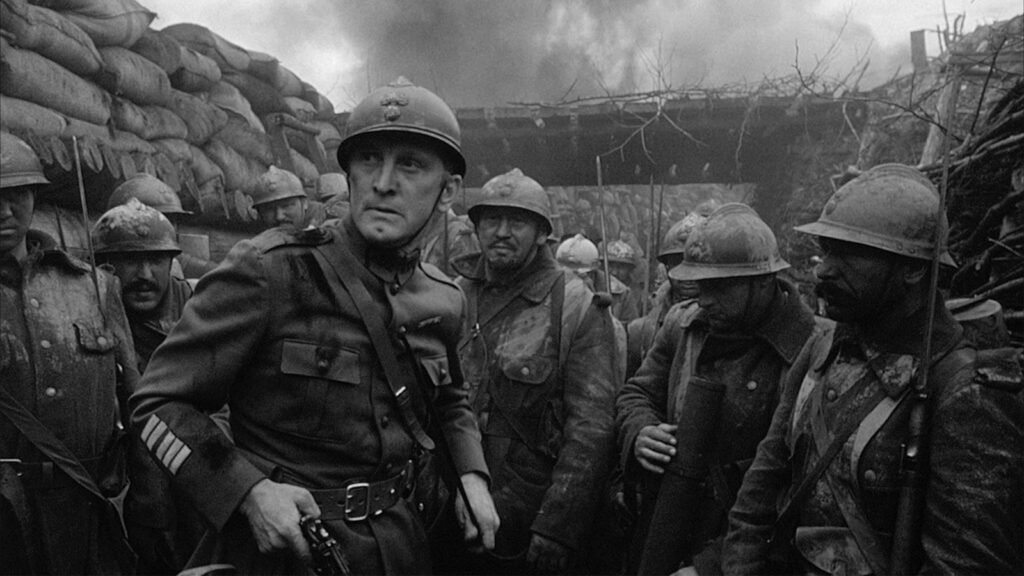


Paths of Glory (1957)
⭐ IMDb Rating: 8.4
🎭 Genre: Drama, War
⏱ Runtime: 88 min
🎬 Director: Stanley Kubrick
📅 Released: 25 Dec 1957
🌍 Country: United States
Introduction
Stanley Kubrick's 'Paths of Glory,' released in 1957, stands as a seminal work in cinematic history, a powerful and unyielding examination of the futility of war and the failures of leadership. This black-and-white masterpiece transcends its World War I setting to deliver a timeless commentary on human nature, duty, and injustice. It continues to resonate with audiences and critics alike, firmly cementing its place among the greatest anti-war films ever made. Delving into its depths reveals a film that is as thought-provoking today as it was upon its original release.
Story
Set against the brutal backdrop of World War I, 'Paths of Glory' plunges viewers into the grim realities of trench warfare on the Western Front. The narrative centers on a French infantry division, given an impossible order to launch a suicidal attack on a heavily fortified German position. When the mission inevitably fails, the commanding general, seeking to preserve his reputation and instill discipline, decides to court-martial three randomly selected soldiers for cowardice. This shocking decision ignites a fierce legal and moral battle, championed by Colonel Dax, a former lawyer forced to defend his men against an unjust system. The film meticulously builds tension, exploring themes of military ethics, leadership accountability, and the arbitrary nature of power.
Main Cast

Kirk Douglas
Col. Dax

Ralph Meeker
Cpl. Philippe Paris

Adolphe Menjou
Gen. George Broulard

George Macready
Gen. Paul Mireau

Wayne Morris
Lt. Roget/Singing man

Richard Anderson
Maj. Saint-Auban

Joe Turkel
Pvt. Pierre Arnaud

Christiane Kubrick
German Singer
Movie Information
| IMDb Rating | 8.4 |
| Genre | Drama, War |
| Runtime | 88 min |
| Director | Stanley Kubrick |
| Writer | Stanley Kubrick, Calder Willingham, Jim Thompson |
| Actors | Kirk Douglas, Ralph Meeker, Adolphe Menjou |
| Language | English, German, Latin |
| Country | United States |
| Awards | Nominated for 1 BAFTA Award5 wins & 3 nominations total |
| Released | 25 Dec 1957 |
Cast Performance
Kirk Douglas delivers a commanding and deeply empathetic performance as Colonel Dax, the film's moral compass. His portrayal of a man battling an entrenched military bureaucracy for the lives of his men is utterly captivating. Douglas brings a powerful sense of conviction and humanity to a role that demands both intellectual prowess and profound emotional depth. The supporting cast, including George Macready as General Mireau and Adolphe Menjou as General Broulard, masterfully embodies the chilling detachment and self-serving ambition of the high command. Their collective performances elevate the film, creating a stark contrast between the soldiers on the front lines and the officers dictating their fates from afar.
Cinematography
Kubrick's nascent genius for visual storytelling is abundantly clear in 'Paths of Glory,' marking a significant milestone in his directorial evolution. The cinematography is stark and unflinching, perfectly capturing the grim, claustrophobic atmosphere of the trenches. His meticulous camera work, especially the tracking shots through the muddy, shell-pocked landscape, immerses the audience directly into the soldiers' harrowing experience. The court-martial scenes are framed with a precise, almost clinical detachment, emphasizing the cold, bureaucratic machinery of military justice. This visual style not only serves the narrative but also amplifies the film's powerful themes of isolation and despair, leaving a lasting impression on the viewer.
Soundtrack
The sound design and musical score of 'Paths of Glory' are remarkably understated, chosen with deliberate intent to enhance the film's bleak and realistic tone. Unlike many war films, it avoids sweeping orchestral scores, instead relying on sparse musical cues that punctify moments of tension or profound emotional weight. The film masterfully uses ambient sounds, such as distant artillery and the echoes within the trenches, to create an immersive and unsettling auditory experience. This minimalist approach allows the powerful dialogue and the visceral reality of the visuals to take center stage, amplifying the drama and the quiet desperation of the characters. The strategic use of music underscores the film's somber message without ever overshadowing it.
Review
'Paths of Glory' remains an essential piece of cinema, a stark and timeless indictment of the absurdities and injustices inherent in war. Stanley Kubrick's masterful direction, coupled with Kirk Douglas's powerhouse performance, creates a film that is both intellectually stimulating and deeply moving. It’s a compelling drama that challenges audiences to confront difficult questions about morality, command responsibility, and the value of human life. The film's unwavering gaze at the dark side of military power ensures its continued relevance in contemporary discussions about conflict. Its unflinching honesty and powerful storytelling cement its status as a must-see classic for anyone interested in serious filmmaking and impactful narratives.
Box Office
Upon its initial release, 'Paths of Glory' experienced a mixed reception at the box office, largely due to its controversial subject matter. While critically acclaimed, its unflinching portrayal of military incompetence and injustice led to bans in several European countries, including France for many years. This limited its immediate commercial reach, preventing it from becoming a major financial blockbuster. Despite these initial hurdles, the film steadily gained recognition over time, eventually achieving classic status. Its enduring legacy is a testament to its artistic merit and powerful message, far outweighing its modest box office performance.
Awards
'Paths of Glory' received significant critical acclaim, though its controversial nature may have influenced its representation in major awards circuits at the time. It was notably nominated for a BAFTA Award for Best Film From Any Source. Despite not sweeping the major American awards, the film garnered immense praise from film critics and cinephiles worldwide. Its artistic integrity and bold storytelling were widely recognized, solidifying its reputation as a groundbreaking and important work. Over the decades, its legacy has grown, with many film historians and critics now considering it one of the most significant films of the 20th century.
Who Should Watch This Movie?
Anyone with an interest in classic cinema, thought-provoking war dramas, or the early works of legendary director Stanley Kubrick should absolutely experience 'Paths of Glory.' History buffs will appreciate its unflinching look at World War I dynamics and military ethics. Furthermore, those who enjoy powerful performances and narratives that challenge established norms will find this film deeply engaging. It's a vital watch for students of film, offering insights into early Kubrickian style and the enduring power of black-and-white filmmaking. This cinematic gem is perfect for viewers seeking a profound and memorable story that continues to resonate today, prompting reflection on timeless themes of justice and humanity.
Frequently Asked Questions
Who directed the movie 'Paths of Glory'?
'Paths of Glory' was directed by the acclaimed filmmaker Stanley Kubrick. It is considered one of his early masterpieces, showcasing his distinctive style and thematic interests.
What is the main theme of 'Paths of Glory'?
The main themes of 'Paths of Glory' revolve around the futility of war, military injustice, the abuse of power, and the profound moral conflicts faced by individuals caught in a bureaucratic system. It is a powerful anti-war film.
Who is the lead actor in 'Paths of Glory'?
The iconic Kirk Douglas stars as Colonel Dax, the central figure in 'Paths of Glory.' His performance is widely praised for its intensity and emotional depth.
In what historical period is 'Paths of Glory' set?
'Paths of Glory' is set during World War I, specifically depicting the brutal conditions of trench warfare on the Western Front. The film captures the grim realities of this period.
Why is 'Paths of Glory' considered a classic film?
'Paths of Glory' is considered a classic due to its groundbreaking direction, powerful performances, timeless themes, and its unflinching critique of war and military command. It continues to be studied and admired for its artistic and social impact.
Official Trailer
You May Also Like

Jackie Brown
1997
⭐ 7.4

Jarhead
2005
⭐ 6.7

The State I Am In
2001
⭐ 6.8
Apocalypse Now
1979
⭐ 8.3

Eternal Sunshine of the Spotless Mind
2004
⭐ 8.1
The Name of the Rose
1986
⭐ 7.5
Related Movies
Conclusion
'Paths of Glory' stands as a towering achievement in filmmaking, a testament to Stanley Kubrick's genius and Kirk Douglas's unforgettable portrayal. Its enduring power lies in its courageous exploration of military injustice and the human cost of ambition. The film remains a powerful and relevant anti-war statement, cementing its place as an essential classic that continues to challenge and provoke audiences. Its profound themes and masterful execution ensure its legacy for generations to come, proving that true cinematic brilliance withstands the test of time. Learn more about Paths of Glory on Official TMDb Page