The Godfather Part II (1974) Movie Guide | Cast, Story, Review, Ending Explained & Where to Watch
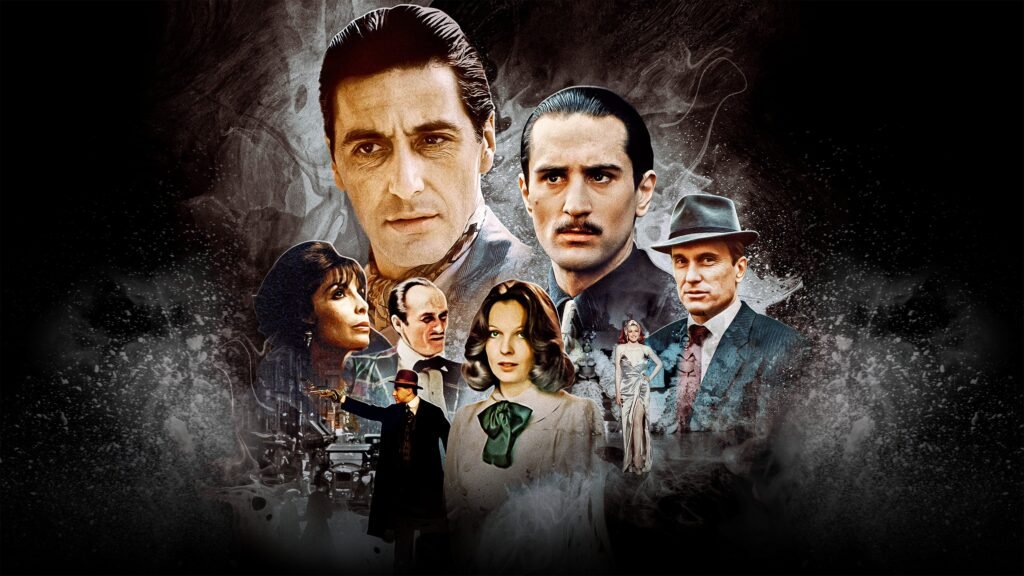
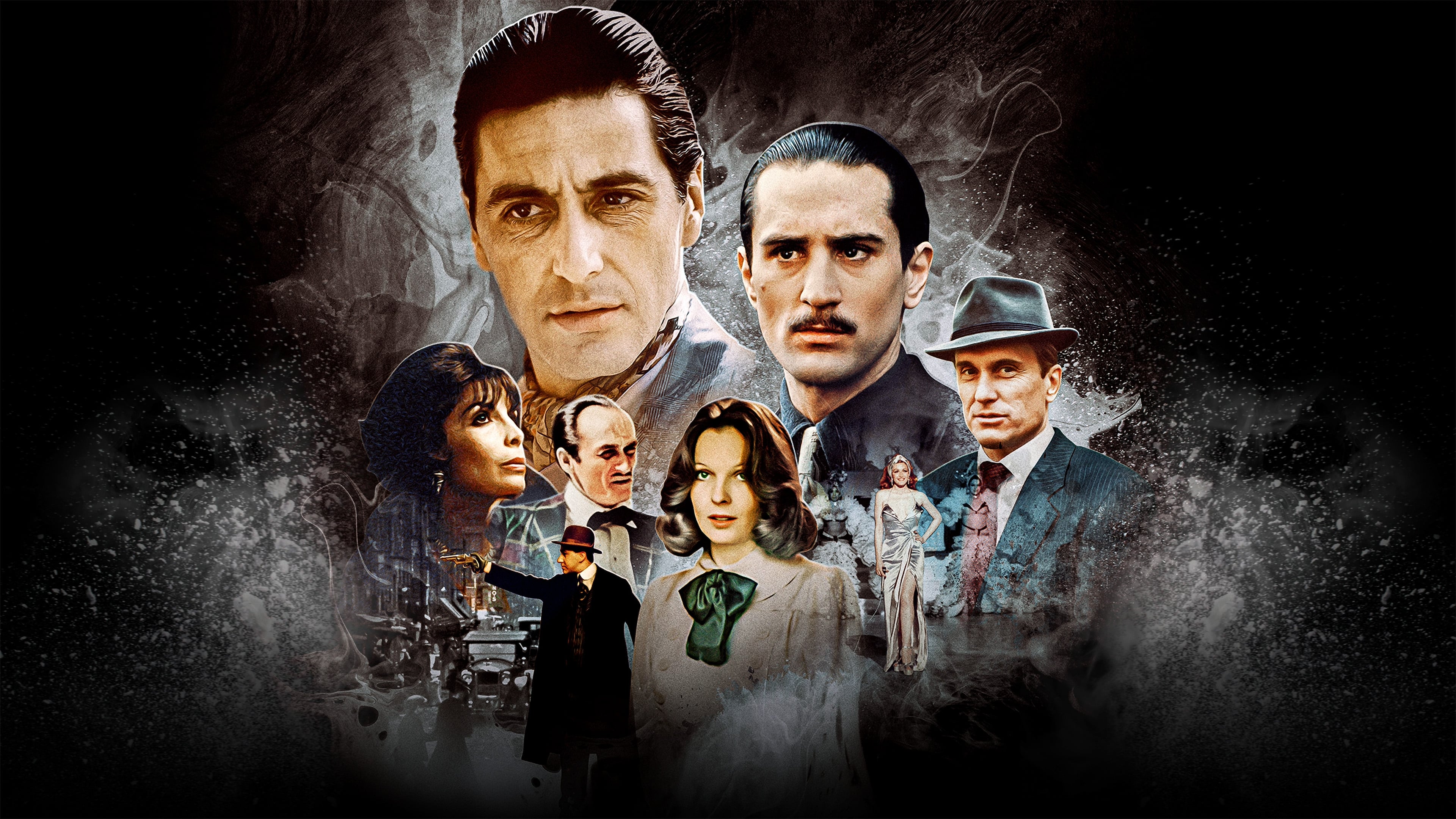

The Godfather Part II (1974)
⭐ IMDb Rating: 9.0
🎭 Genre: Crime, Drama
⏱ Runtime: 202 min
🎬 Director: Francis Ford Coppola
📅 Released: 18 Dec 1974
🌍 Country: United States
Introduction
Step into the timeless, shadowed world of power, family, and ambition with "The Godfather Part II" (1974), a film widely regarded not just as a sequel, but as a cinematic achievement that rivals and, for many, even surpasses its groundbreaking predecessor.
Directed by the visionary Francis Ford Coppola, this crime epic delves deeper into the Corleone saga, exploring the intricate web of loyalty, betrayal, and the heavy price of maintaining a criminal empire. Released in an era when sequels often struggled to live up to the original, Part II shattered expectations, redefining what a follow-up film could achieve.
It's a masterful blend of historical narrative and intimate character study, painting a sprawling portrait of the American Dream corrupted and transformed. Prepare to rediscover a monumental piece of cinema that continues to capt captivate audiences and critics alike, securing its place as an undisputed classic in the annals of film history.
Story
"The Godfather Part II" masterfully weaves two distinct yet profoundly interconnected narratives across different eras. The primary storyline follows Michael Corleone, brilliantly portrayed by Al Pacino, as he grapples with the immense pressures and moral compromises required to legitimize his family's vast criminal enterprise in the late 1950s.
We witness his relentless pursuit of power, his attempts to expand into new territories like Nevada and Cuba, and the agonizing disintegration of his personal life under the weight of his decisions. This narrative is contrasted with a parallel, flashback story that chronicles the arduous journey of a young Vito Corleone, portrayed by Robert De Niro, from his humble Sicilian origins as a boy named Vito Andolini to his rise as the revered and formidable Don Vito Corleone in early 20th-century New York.
This dual structure offers a profound exploration of destiny, legacy, and the cyclical nature of power within the Corleone family, without revealing the specific pivotal moments that define their fates.
Main Cast

Al Pacino
Don Michael Corleone

Robert Duvall
Tom Hagen

Diane Keaton
Kay Corleone

Robert De Niro
Vito Corleone

John Cazale
Frederico 'Fredo' Corleone

Talia Shire
Constanzia 'Connie' Corleone

Lee Strasberg
Hyman Roth

Michael V. Gazzo
Frank Pentangeli
Movie Information
| IMDb Rating | 9.0 |
| Genre | Crime, Drama |
| Runtime | 202 min |
| Director | Francis Ford Coppola |
| Writer | Francis Ford Coppola, Mario Puzo |
| Actors | Al Pacino, Robert De Niro, Robert Duvall |
| Language | English, Italian, Spanish, Latin, Sicilian |
| Country | United States |
| Awards | Won 6 Oscars. 17 wins & 21 nominations total |
| Released | 18 Dec 1974 |
Cast Performance
The performances in "The Godfather Part II" are nothing short of legendary, forming the bedrock of its enduring appeal. Al Pacino delivers a career-defining portrayal of Michael Corleone, evolving him from the calculating but conflicted successor into a man consumed by his own empire, displaying a cold intensity that is both mesmerizing and terrifying.
Robert De Niro's performance as the young Vito Corleone is a masterclass in subtlety and presence, capturing the nascent stages of the future Don with an uncanny resemblance to Marlon Brando's original performance while forging his own distinct interpretation.
The supporting cast also shines brightly, with Robert Duvall as the ever-loyal consigliere Tom Hagen, Diane Keaton as Kay Corleone, whose disillusionment deepens, and John Cazale as Fredo Corleone, whose heartbreaking vulnerability adds profound emotional layers to the narrative. Each actor brings an authenticity and depth that makes the Corleone family feel incredibly real, their triumphs and tragedies resonating deeply with viewers.
Cinematography
Gordon Willis, famously dubbed the 'Prince of Darkness,' once again lends his unparalleled visual artistry to "The Godfather Part II," crafting a cinematographic masterpiece that is both striking and profoundly atmospheric. His signature use of deep shadows and low-key lighting is even more pronounced here, creating a moody, often oppressive atmosphere that perfectly mirrors the Corleone family's moral decay and the dark undercurrents of their world.
Willis meticulously distinguishes between the two timelines; the flashbacks to young Vito's rise are often bathed in sepia tones and a golden warmth, evoking a sense of nostalgia and the romanticized origin of the family, while Michael's contemporary struggles are depicted with cooler, harsher blues and grays, emphasizing his isolation and the cold realities of his power.
This sophisticated visual language isn't just aesthetic; it’s an integral part of the storytelling, conveying unspoken emotions, power dynamics, and the inexorable march of fate across generations. His work here is a masterclass in using light and shadow to tell a story.
Soundtrack
The unforgettable score for "The Godfather Part II" is a poignant and powerful element, with Nino Rota returning to compose and Carmine Coppola (Francis Ford Coppola's father) contributing additional music, particularly for the American sequences.
The soundtrack is a seamless blend of melancholic Italian folk melodies and grand orchestral pieces that underscore the film's sweeping narrative and its intimate emotional core. Rota's iconic themes, instantly recognizable from the first film, are reprised and reinterpreted, providing a sense of continuity and carrying the emotional weight of the Corleone family's journey through time.
The score beautifully complements the dual timelines, with traditional Sicilian sounds accompanying young Vito's rise, lending an air of authenticity and a bittersweet sense of lost innocence, while the more dramatic, sweeping orchestrations highlight Michael's increasingly isolated existence. This musical tapestry enhances every scene, elevating the film's emotional impact and solidifying its place as one of the most memorable scores in cinematic history, a character in itself that speaks volumes without a single word.
Review
Hailed as a quintessential example of how a sequel can not only live up to but potentially surpass its predecessor, "The Godfather Part II" stands as a monumental achievement in cinematic history.
Critics universally lauded its ambitious scope, intricate storytelling, and the profound depth of its character exploration. It was praised for its bold dual narrative structure, which provided a rich tapestry of history and consequence, exploring the origins of the Corleone empire alongside its gradual decline. The film solidified Francis Ford Coppola's reputation as a visionary director, capable of orchestrating an epic narrative with intimate precision. Its unflinching look at the corrosive effects of power, family loyalty, and the pursuit of the American Dream resonated deeply with audiences and critics alike.
Often cited in discussions about the greatest films ever made, "The Godfather Part II" is more than just a crime drama; it's a profound cultural commentary that continues to influence filmmakers and captivate new generations, solidifying its legacy as an undisputed masterpiece.
Box Office
Upon its release in 1974, "The Godfather Part II" faced the immense challenge of following up on one of the most successful and critically acclaimed films of all time. While its initial box office performance wasn't as explosive as its predecessor, it nonetheless proved to be a significant commercial success, demonstrating strong legs and enduring appeal.
Grossing over $47 million domestically during its initial run against a budget of around $13 million, the film was a major earner for Paramount Pictures, solidifying its financial viability and proving that audiences were eager to delve deeper into the Corleone saga. Its commercial success wasn't just about raw numbers; it was a testament to the film's artistic integrity and its ability to attract and retain a wide audience despite its complex narrative and lengthy runtime.
Over the decades, through re-releases and home media, its financial impact has only grown, contributing to its status as a timeless classic that continues to generate revenue and cultural conversation.
Awards
"The Godfather Part II" received widespread critical acclaim, which translated into an impressive haul of prestigious awards, solidifying its place as a cinematic landmark. Most notably, the film swept the 47th Academy Awards, taking home six Oscars, including the coveted Best Picture, a rare feat for a sequel. Francis Ford Coppola was honored with Best Director, recognizing his visionary leadership in expanding the Corleone narrative.
Robert De Niro received the Best Supporting Actor award for his compelling portrayal of young Vito Corleone, a testament to his transformative performance. The film also earned Oscars for Best Adapted Screenplay, a nod to Coppola and Mario Puzo's intricate storytelling, Best Art Direction, and Best Original Score for Nino Rota and Carmine Coppola.
These accolades underscore the film's exceptional quality across multiple categories, cementing its status not just as a great crime film, but as one of the most critically celebrated movies in cinematic history.
Who Should Watch This Movie?
If you are drawn to intricate storytelling, profound character studies, and epic sagas, "The Godfather Part II" is an absolute must-watch. This film appeals especially to fans of serious drama, crime thrillers, and historical narratives that explore the complex interplay between family, power, and morality.
Viewers who appreciate exceptional acting and meticulous direction will find themselves engrossed in the nuanced performances of Al Pacino and Robert De Niro, and the masterful hand of Francis Ford Coppola. It's a perfect choice for those who enjoyed the original "The Godfather" and are eager to delve deeper into the Corleone family's origins and their continuing struggles.
Beyond the genre, anyone interested in cinematic masterpieces that have left an indelible mark on film history and culture should experience this profound exploration of the American Dream and the corrosive effects of unchecked ambition.
Frequently Asked Questions
Is The Godfather Part II a prequel or a sequel?
"The Godfather Part II" is a unique film in that it functions as both a sequel and a prequel. It continues the story of Michael Corleone in the late 1950s, following the events of the first film, while simultaneously flashing back to chronicle the early life and rise to power of his father, Vito Corleone, from the turn of the 20th century.
Is it necessary to watch The Godfather before Part II?
While "The Godfather Part II" can be appreciated on its own merits for its powerful storytelling and performances, watching the original "The Godfather" (1972) beforehand is highly recommended. The first film establishes the characters, their relationships, and the initial context of the Corleone family's world, which enriches the viewing experience and provides crucial background for understanding the complex narrative of the sequel.
What makes The Godfather Part II so critically acclaimed?
The film's critical acclaim stems from several factors, including its ambitious dual narrative structure, which allows for a deeper exploration of themes like family, power, and the American Dream. It's also celebrated for its exceptional acting, particularly by Al Pacino and Robert De Niro, Francis Ford Coppola's masterful direction, Gordon Willis's iconic cinematography, and its profound character development, all contributing to its status as a cinematic masterpiece.
Who directed The Godfather Part II?
"The Godfather Part II" was directed by the acclaimed filmmaker Francis Ford Coppola. He also co-wrote the screenplay with Mario Puzo, based on Puzo's novel. Coppola's vision and direction were instrumental in crafting the film's epic scope and intricate storytelling, earning him an Academy Award for Best Director.
How long is The Godfather Part II?
"The Godfather Part II" has a runtime of approximately 3 hours and 22 minutes (202 minutes). Its substantial length allows for the rich development of its dual storylines and complex characters, providing a comprehensive and immersive cinematic experience.
Official Trailer
You May Also Like

Captain Khorshid
1987
⭐ 6.3

Cut Off
2018
⭐ 6.6
Tulip Fever
2017
⭐ 6.5

School for Buglars
1958
⭐ 7.6
The Outfit
2022
⭐ 7.1
Kill Bill: Vol. 1
2003
⭐ 8.0
Related Movies
Conclusion
In the vast landscape of cinema, "The Godfather Part II" stands as a towering achievement, a film that not only expanded upon a legendary predecessor but forged its own powerful, indelible legacy.
Francis Ford Coppola's masterful direction, coupled with a cast delivering career-defining performances and a meticulously crafted narrative, creates an experience that transcends the typical crime drama. It’s a profound meditation on family, power, and the haunting price of ambition, woven across two generations. From Gordon Willis's iconic cinematography to Nino Rota's evocative score, every element coalesces to create a piece of art that remains as relevant and resonant today as it was nearly five decades ago.
"The Godfather Part II" isn't just a movie; it's an essential cultural touchstone, a powerful and timeless epic that continues to challenge, enthrall, and ultimately define the very best of what cinema can be. Its brilliance ensures its place among the greatest films ever made, inviting new audiences to witness its complex narrative and enduring impact.
For official information check TMDB.