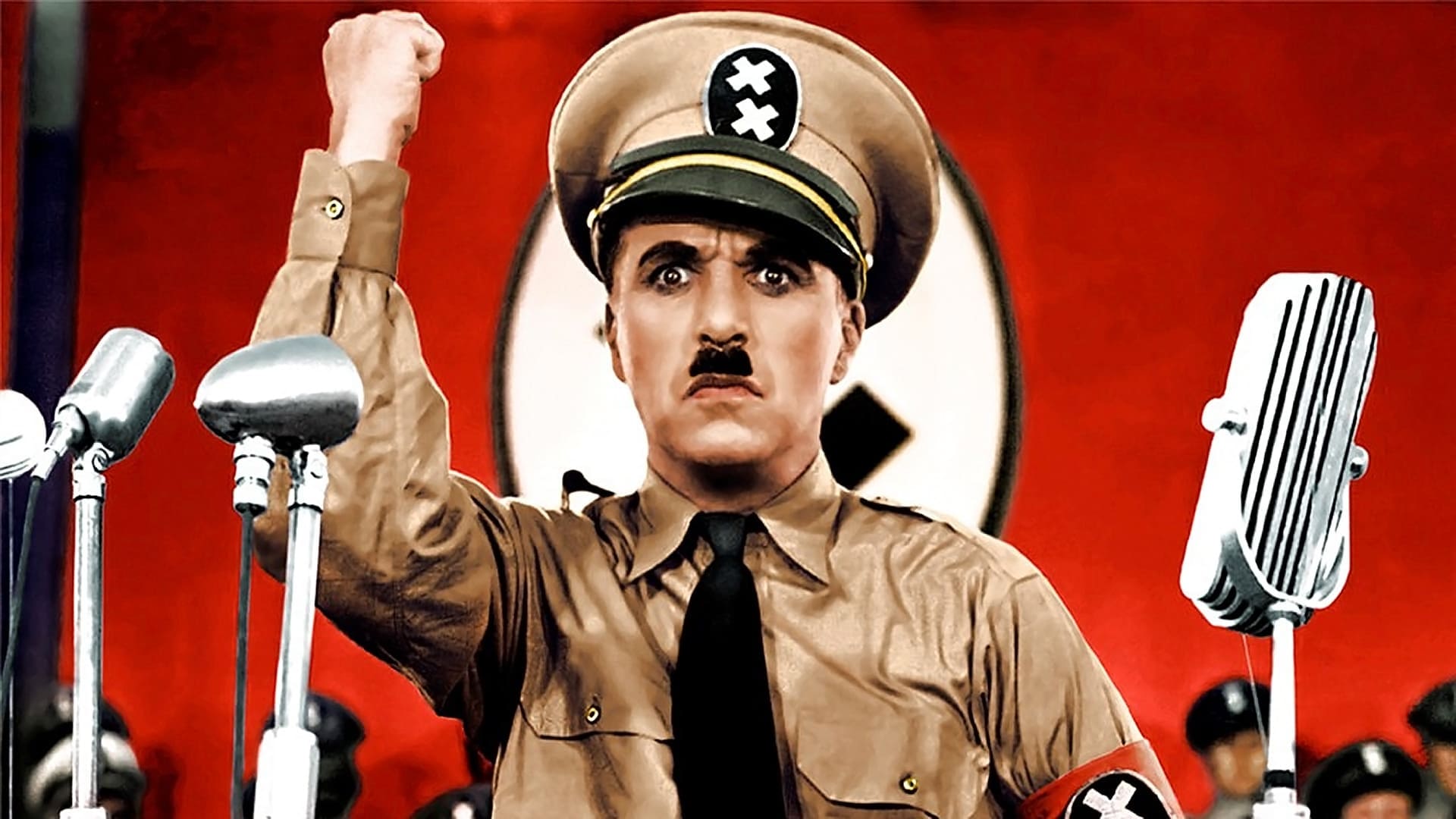

The Great Dictator (1940)
⭐ IMDb Rating: 8.4
🎭 Genre: Comedy, Drama, War
⏱ Runtime: 125 min
🎬 Director: Charles Chaplin
📅 Released: 07 Mar 1941
🌍 Country: United States
Introduction
Charlie Chaplin's "The Great Dictator" stands as a monumental work in cinematic history, a brave and groundbreaking film from 1940. This satirical masterpiece showcases Chaplin's unparalleled genius, where he takes on a powerful dual role. The movie daringly confronts pressing global issues of its time with wit and profound human insight.
It marks Chaplin's first true sound film, demonstrating his masterful transition from silent cinema into the new era of talkies. The film’s blend of sharp political commentary and heartfelt humanity continues to resonate deeply with audiences today. It remains an essential watch for anyone interested in classic cinema and the power of satire.
Story
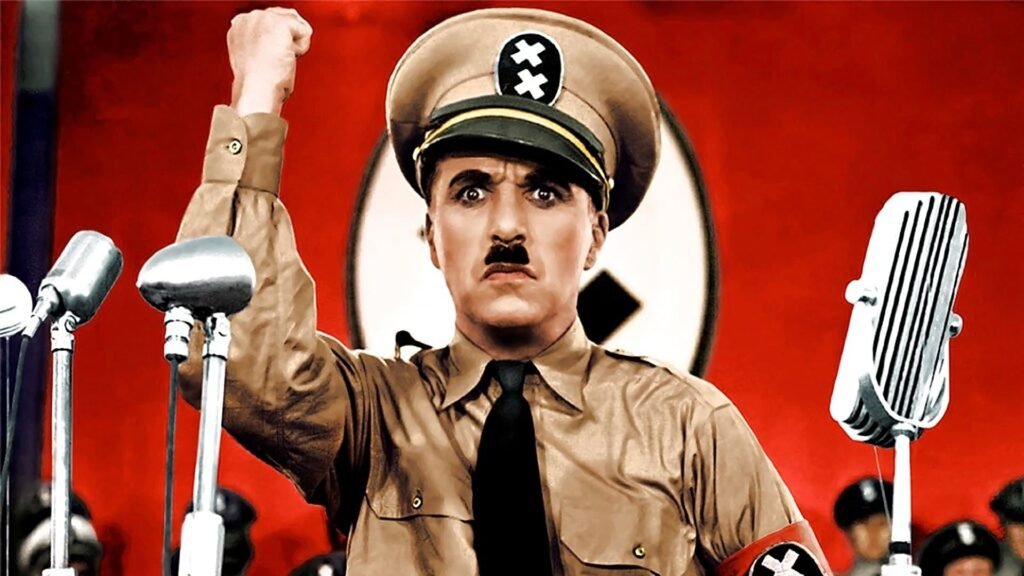
The narrative of "The Great Dictator" unfolds in the fictional country of Tomania, where a ruthless dictator, Adenoid Hynkel, holds absolute power. Hynkel, a character unmistakably satirizing a historical figure, embarks on an aggressive campaign of expansion and persecution. His regime targets a specific minority group within his nation.
Parallel to Hynkel's rise, an innocent Jewish barber, who looks remarkably like the dictator, struggles to survive in the ghetto. After returning from the war with amnesia, the barber navigates a world drastically changed by Hynkel's tyranny. The film skillfully weaves their distinct storylines, leading to moments of profound reflection and dramatic irony. It’s a compelling narrative exploring themes of identity, power, and humanity in a deeply troubled world.
Main Cast

Charlie Chaplin
Adenoid Hynkel, Dictator of Tomania / A Jewish Barber

Paulette Goddard
Hannah

Jack Oakie
Benzino Napaloni, Dictator of Bacteria

Reginald Gardiner
Commander Schultz

Henry Daniell
Garbitsch

Billy Gilbert
Field Marshal Herring

Grace Hayle
Madame Napaloni

Carter DeHaven
Spook
Movie Information
| IMDb Rating | 8.4 |
| Genre | Comedy, Drama, War |
| Runtime | 125 min |
| Director | Charles Chaplin |
| Writer | Charles Chaplin |
| Actors | Charles Chaplin, Paulette Goddard, Jack Oakie |
| Language | English, Esperanto, Latin |
| Country | United States |
| Awards | Nominated for 5 Oscars. 7 wins & 6 nominations total |
| Released | 07 Mar 1941 |
Cast Performance
Charlie Chaplin's performance in "The Great Dictator" is nothing short of legendary, displaying his remarkable versatility in a dual role. He brilliantly portrays both the tyrannical Adenoid Hynkel and the gentle Jewish barber, each character distinct yet eerily similar in appearance. Chaplin's physical comedy shines through, even as he delivers powerful dramatic speeches.
Paulette Goddard, as Hannah, provides a strong and compassionate presence, anchoring many of the film's most poignant moments. Her portrayal adds a crucial human element to the narrative, standing up against oppression with quiet dignity. The supporting cast members also contribute significantly, embodying various archetypes within the oppressive regime and the struggling populace. Their collective efforts create a believable and engaging world, enhancing the film's powerful message.
Cinematography
"The Great Dictator" masterfully employs black-and-white cinematography to create a stark and impactful visual landscape. Director Charlie Chaplin utilized classic filmmaking techniques to frame powerful scenes, highlighting both the grandeur of totalitarianism and the plight of the common people. The visual contrasts between the opulent halls of power and the humble ghetto streets are striking.
Chaplin's eye for detail is evident in every frame, from the elaborate set designs depicting the dictator's palace to the intimate close-ups capturing the characters' raw emotions. The camera work effectively conveys the film's shifting tones, moving seamlessly between broad satirical humor and moments of profound drama. This visual storytelling reinforces the film's poignant themes, making it a timeless cinematic experience.
Soundtrack
The musical score for "The Great Dictator," largely composed by Charlie Chaplin himself, plays a crucial role in shaping the film's emotional landscape. Chaplin's deep understanding of music allowed him to craft a score that perfectly complements the on-screen action, enhancing both its comedic and dramatic moments. The music often contrasts the film's serious themes with touches of lightheartedness.
Memorable classical pieces are also integrated, such as Wagner's Lohengrin Overture during iconic scenes, adding layers of irony and grandeur. The score effectively builds suspense, evokes empathy, and underscores the satirical elements throughout the narrative. Its blend of original compositions and classical selections contributes significantly to the film's enduring artistic impact, making the viewing experience even more resonant.
Review
"The Great Dictator" is widely regarded as a cinematic tour de force, celebrated for its audacious blend of biting satire and profound humanism. Charlie Chaplin's courage to tackle such a controversial subject during a tumultuous historical period cemented its place as a groundbreaking work. Critics at the time praised its boldness, while audiences connected with its universal message.
The film’s ability to inject humor into the darkest of subjects, without trivializing the gravity of the situation, is a testament to Chaplin's genius. Its narrative, though set in a specific historical context, speaks to timeless issues of tyranny, prejudice, and the indomitable human spirit. "The Great Dictator" remains a powerful and relevant film, continuing to provoke thought and inspire discussion decades after its initial release.
Box Office
Upon its release in 1940, "The Great Dictator" proved to be a significant commercial success, both domestically and internationally. Despite its controversial subject matter and the prevailing political climate, the film resonated with a wide audience. Its box office performance was robust, affirming Charlie Chaplin's immense popularity and the public's desire for bold cinematic commentary.
The film's financial triumph demonstrated that audiences were ready for Chaplin's unique brand of satirical storytelling, even when addressing serious global events. Its earnings helped solidify Chaplin's independent filmmaking career and his artistic freedom. "The Great Dictator" not only achieved critical acclaim but also secured its place as a financially successful and culturally impactful work of cinema history.
Awards
"The Great Dictator" garnered significant recognition during the awards season, reflecting its critical acclaim and cultural impact. The film received five Academy Award nominations, including nods for Best Picture, Best Actor for Charlie Chaplin, and Best Original Screenplay. These nominations underscored the film's artistic excellence and its profound contribution to cinema.
While it did not ultimately win an Oscar in these categories, the nominations themselves highlighted the industry's acknowledgement of its daring narrative and exceptional performances. The recognition from prestigious bodies like the Academy further cemented its status as a masterpiece. Its enduring legacy, far beyond formal accolades, speaks volumes about its power and influence.
Who Should Watch This Movie?
Anyone with an appreciation for classic cinema, political satire, and powerful storytelling should absolutely experience "The Great Dictator." It's a must-watch for film enthusiasts interested in Charlie Chaplin's transition to sound film and his daring artistic choices. History buffs will find its courageous commentary on a pivotal era particularly compelling.
The film also appeals to those who enjoy narratives blending humor with profound social and ethical messages. Its timeless themes of prejudice, human rights, and the fight against tyranny remain incredibly relevant today. For a thought-provoking and emotionally rich cinematic experience that challenges and entertains, "The Great Dictator" is an essential viewing.
Frequently Asked Questions
What is the historical significance of "The Great Dictator"?
"The Great Dictator" is historically significant as Charlie Chaplin's first full talkie and a bold satire released during World War II. It was one of the earliest major Hollywood films to openly mock and condemn totalitarian regimes, specifically criticizing the rise of fascism in Europe.
Who directed and starred in "The Great Dictator"?
The iconic multi-talented Charlie Chaplin directed, wrote, produced, and composed the music for "The Great Dictator." He also starred in the leading dual roles of Adenoid Hynkel, the dictator, and an innocent Jewish barber.
Is "The Great Dictator" a comedy or a drama?
"The Great Dictator" is a brilliant blend of both comedy and drama. It uses Chaplin's signature physical humor and sharp satire to address extremely serious and dark political themes, creating a unique and powerful dramatic impact.
What made Charlie Chaplin's performance in this film so notable?
Chaplin's performance is notable for his exceptional dual role, masterfully portraying both the menacing dictator and the compassionate barber. His ability to deliver both uproarious comedy and a profoundly moving dramatic speech at the film's climax showcased his unparalleled acting range.
Are there any famous scenes from "The Great Dictator"?
One of the most famous scenes features Adenoid Hynkel dancing with a globe balloon, symbolizing his desire for world domination. The film also concludes with an unforgettable and powerful speech delivered by the barber, widely regarded as one of cinema's most impactful monologues.
Official Trailer
You May Also Like
Steamboat Bill, Jr.
1928
⭐ 7.6

Our Man in Havana
1960
⭐ 6.7
Hell Squad
1958
⭐ 6.0
House
1977
⭐ 7.3
The Pirate Movie
1982
⭐ 5.3

Looking for Comedy in the Muslim World
2006
⭐ 4.9
Related Movies
Conclusion
"The Great Dictator" stands as an indelible testament to Charlie Chaplin's unparalleled courage, artistic vision, and humanitarian spirit. This iconic film not only pushed cinematic boundaries but also used the power of comedy to deliver a message of profound importance. Its blend of laughter and gravitas continues to inspire generations of filmmakers and audiences.
The movie remains a vital piece of cinematic history, celebrated for its groundbreaking satire and its enduring call for peace and humanity. Chaplin’s masterpiece continues to resonate, reminding us of the enduring power of empathy and resistance against oppression. Its legacy as a powerful, funny, and deeply moving film is truly everlasting. Learn more about The Great Dictator on Official TMDb Page