The Matrix (1999) Movie Guide | Cast, Story, Review, Ending Explained & Where to Watch
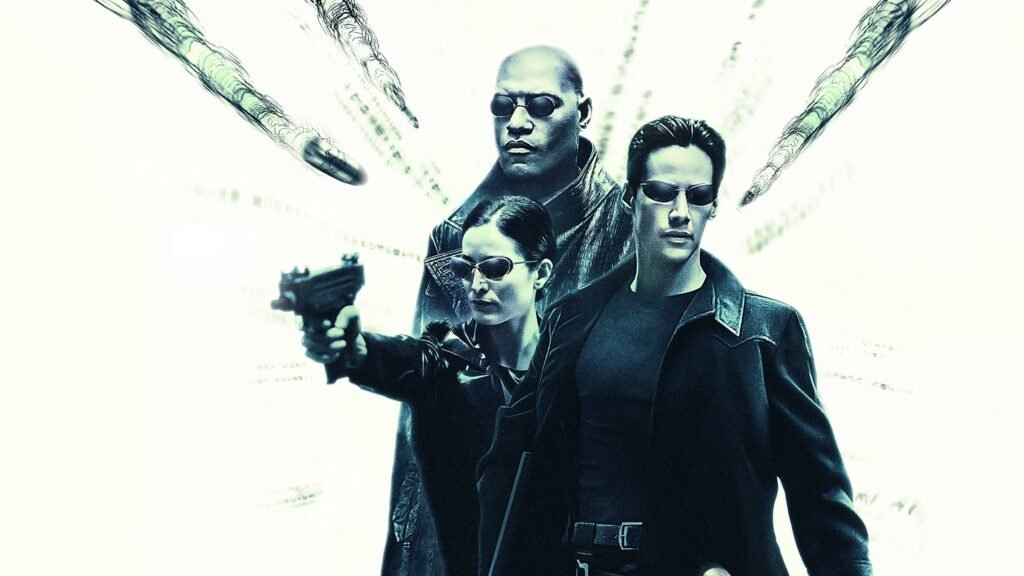


The Matrix (1999)
⭐ IMDb Rating: 8.7
🎭 Genre: Action, Sci-Fi
⏱ Runtime: 136 min
🎬 Director: Lana Wachowski, Lilly Wachowski
📅 Released: 31 Mar 1999
🌍 Country: United States, Australia
Introduction
Step into a world redefined, where the line between reality and illusion blurs. Released in 1999, "The Matrix" wasn't just a movie; it was a seismic cultural event that fundamentally altered the landscape of science fiction and action cinema. From the visionary minds of the Wachowskis, this groundbreaking film launched a global phenomenon, captivating audiences with its philosophical depth, breathtaking action, and revolutionary visual effects. More than two decades later, its influence is still profoundly felt across various forms of media, art, and even philosophical discourse. "The Matrix" challenged viewers to question everything they thought they knew, creating an immersive experience that remains as thought-provoking and exhilarating today as it was upon its initial release. Prepare to unplug and discover why this cinematic masterpiece continues to resonate with new generations, cementing its legacy as one of the most important films of its era and beyond.
Story
At its heart, "The Matrix" introduces Thomas Anderson, a seemingly ordinary computer programmer who secretly moonlights as a hacker named Neo. Plagued by strange dreams and a gnawing sense that something is profoundly wrong with his world, Neo finds himself drawn into a mysterious underworld of rebels and dangerous government agents. His journey into the unknown begins when he is contacted by the enigmatic Morpheus, a legendary figure who promises to reveal the truth about Neo's reality. This truth, when unveiled, is far more startling and complex than anything Neo could have ever imagined, forcing him to confront uncomfortable questions about free will, destiny, and the very nature of existence. Without revealing too much, the narrative skillfully weaves a tale of self-discovery and rebellion against an oppressive, unseen power, inviting audiences to ponder what it truly means to be human in a world where perception can be manipulated.
Main Cast

Keanu Reeves
Neo

Laurence Fishburne
Morpheus

Carrie-Anne Moss
Trinity

Hugo Weaving
Agent Smith

Gloria Foster
Oracle

Joe Pantoliano
Cypher

Marcus Chong
Tank

Julian Arahanga
Apoc
Movie Information
| IMDb Rating | 8.7 |
| Genre | Action, Sci-Fi |
| Runtime | 136 min |
| Director | Lana Wachowski, Lilly Wachowski |
| Writer | Lilly Wachowski, Lana Wachowski |
| Actors | Keanu Reeves, Laurence Fishburne, Carrie-Anne Moss |
| Language | English |
| Country | United States, Australia |
| Awards | Won 4 Oscars. 42 wins & 52 nominations total |
| Released | 31 Mar 1999 |
Cast Performance
The iconic performances in "The Matrix" are indelible, forming the backbone of its enduring appeal. Keanu Reeves delivers a career-defining turn as Neo, portraying his character's initial skepticism and eventual transformation with a compelling blend of vulnerability and determined heroism. Laurence Fishburne commands the screen as Morpheus, embodying wisdom, strength, and unwavering faith, making him an unforgettable mentor figure. Carrie-Anne Moss shines as Trinity, crafting a character who is both fiercely independent and deeply loyal, her physicality and emotional depth adding crucial dimensions to the story. And then there's Hugo Weaving as Agent Smith, whose chillingly calm demeanor and menacing intelligence created one of cinema's most memorable antagonists. The chemistry between these lead actors, combined with their dedication to the demanding physical choreography, elevates the film beyond mere action spectacle into a character-driven saga.
Cinematography
The visual language of "The Matrix" is nothing short of revolutionary, meticulously crafted to immerse viewers in its distinctive world. Cinematographer Bill Pope, under the visionary direction of the Wachowskis, established a signature aesthetic defined by its iconic green tint, especially prevalent within the Matrix itself, creating an immediate visual distinction from the 'real world.' Beyond color, the film's groundbreaking use of 'bullet-time' changed action cinema forever. This slow-motion technique, allowing the camera to seemingly orbit around subjects in mid-air, offered an unprecedented level of dynamism and clarity to fight sequences, transforming stunts into breathtaking moments of visual artistry. The interplay of sleek, modern environments with grittier, industrial backdrops further enhances the film's unique atmosphere, proving that innovative cinematography can be as vital to storytelling as the script itself, leaving an indelible mark on cinematic history.
Soundtrack
The auditory landscape of "The Matrix" is as integral to its identity as its visual style, a powerful blend of electronic, industrial, and rock music that amplifies every pulse-pounding moment. Don Davis's original score is a masterful work, seamlessly weaving orchestral grandeur with synthesized sounds to create a unique sonic tapestry that underscores the film's themes of technology, rebellion, and existential dread. The score expertly builds tension, punctuates action sequences, and imbues philosophical moments with a sense of gravitas. Beyond the original compositions, the film's soundtrack features an expertly curated selection of licensed tracks from artists like Rob Zombie, Rammstein, and Rage Against the Machine. These songs are strategically placed to enhance specific scenes, injecting raw energy and a cutting-edge vibe that perfectly complements the film's rebellious spirit. The fusion of score and licensed music creates an unforgettable sonic experience that helps define the film's revolutionary edge.
Review
"The Matrix" was met with widespread critical acclaim upon its release, hailed not only as a technological marvel but also as a profound and intelligent piece of storytelling. Critics praised its innovative action choreography, which set new benchmarks for the genre, and its sophisticated blend of science fiction, martial arts, and cyberpunk aesthetics. Beyond the spectacle, many lauded its thought-provoking narrative, which delved into complex philosophical questions about reality, free will, and the nature of humanity, resonating deeply with audiences and academics alike. The film was celebrated for its originality, its daring vision, and its ability to deliver both exhilarating entertainment and intellectual stimulation. Its immediate impact was undeniable, quickly solidifying its place as a modern classic and a significant milestone in cinematic history, a film that dared to challenge conventions and succeeded brilliantly.
Box Office
When "The Matrix" debuted, it quickly became a certified box office phenomenon, far exceeding initial expectations and establishing itself as one of the highest-grossing films of 1999. Opening to strong numbers, it demonstrated remarkable staying power, drawing audiences back for repeat viewings, a testament to its compelling narrative and groundbreaking visuals. The film ultimately garnered over $460 million worldwide against a production budget of roughly $63 million, a phenomenal return on investment that cemented its blockbuster status. This commercial success not only solidified the Wachowskis' reputation as visionary filmmakers but also paved the way for sequels and an expansion of the Matrix universe into various other media. Its performance at the box office underscored the public's hunger for original, intelligent, and action-packed science fiction, proving that daring concepts could also achieve immense commercial prosperity.
Awards
"The Matrix" received significant recognition during the awards season, particularly dominating in technical categories, a reflection of its groundbreaking innovations. It notably swept all four of its nominations at the 72nd Academy Awards, winning for Best Film Editing, Best Sound, Best Sound Effects Editing, and crucially, Best Visual Effects. These wins were a clear acknowledgment of the film's unparalleled technical achievements, particularly the revolutionary bullet-time effect and its seamless integration of CGI with practical effects. Beyond the Oscars, the film garnered numerous other accolades, including BAFTA Awards for Best Sound and Best Special Visual Effects. Its success across these prestigious platforms underscored its status not just as a popular hit, but as a critically acclaimed cinematic landmark that pushed the boundaries of filmmaking technology and artistry, influencing countless films that followed.
Who Should Watch This Movie?
"The Matrix" is an absolute must-watch for a remarkably broad audience. If you're a fan of mind-bending science fiction that pushes the boundaries of imagination, this film offers an unparalleled experience. Action enthusiasts will be thrilled by its innovative fight choreography and bullet-time sequences, which redefined the genre. Those who appreciate films with philosophical depth and intriguing questions about reality, free will, and perception will find themselves deeply engaged with its core themes. It's also essential viewing for anyone interested in cinematic history and visual effects, as its groundbreaking techniques left an indelible mark on moviemaking. Essentially, if you enjoy intelligent storytelling, unforgettable characters, and a visually stunning spectacle that stays with you long after the credits roll, then prepare to enter "The Matrix" – you won't be disappointed.
Frequently Asked Questions
What is the basic premise of "The Matrix"?
The film follows Neo, a computer programmer who discovers that the world he knows is a simulated reality, and he is pulled into a rebellion against the machines that created it.
Who directed "The Matrix"?
"The Matrix" was written and directed by the Wachowskis, credited as the Wachowski Brothers at the time of the film's release.
What is 'bullet-time' and why is it significant?
Bullet-time is a special effects technique popularized by the film, allowing slow-motion photography while the camera appears to move through the scene at normal speed, creating dramatic, fluid action shots.
Are there any sequels to "The Matrix"?
Yes, "The Matrix" was followed by two direct sequels, "The Matrix Reloaded" and "The Matrix Revolutions," both released in 2003, and a fourth film, "The Matrix Resurrections," released in 2021.
Why is "The Matrix" considered so influential?
It's considered influential for its revolutionary visual effects (especially bullet-time), its groundbreaking action choreography, its deep philosophical themes, and its lasting impact on science fiction and popular culture.
Official Trailer
You May Also Like
A Fighting Chance
2016
⭐ 0.5

Kill Bill: Vol. 1
2003
⭐ 8.0

Pirates of the Caribbean: Dead Man's Chest
2006
⭐ 7.4

2001: A Space Odyssey
1968
⭐ 8.1
Twelve Monkeys
1995
⭐ 7.6
Brazil
1985
⭐ 7.7
Related Movies
Conclusion
More than two decades since its initial release, "The Matrix" remains a potent cultural touchstone, a film that transcended mere entertainment to become a genuine phenomenon. Its blend of groundbreaking visual effects, philosophical depth, and exhilarating action created a cinematic experience unlike any other, leaving an indelible mark on pop culture, filmmaking, and even our collective consciousness. From its iconic green-tinted aesthetic to the unforgettable "bullet-time" sequences, the film's innovations continue to inspire and influence artists across various mediums. "The Matrix" is a testament to the power of original storytelling and visionary direction, proving that intelligent science fiction can also achieve global blockbuster status. Its questions about reality, choice, and what it means to be free resonate perhaps even more strongly today, ensuring its legacy as a timeless masterpiece that continues to challenge and captivate audiences worldwide. Unplug, and revisit the film that changed everything.
For official information check TMDB.