12 Angry Men (1957) Movie Guide | Cast, Story, Review, Ending Explained & Where to Watch

12 Angry Men (1957)
⭐ IMDb Rating: 9.0
🎭 Genre: Crime, Drama
⏱ Runtime: 96 min
🎬 Director: Sidney Lumet
📅 Released: 10 Apr 1957
🌍 Country: United States
Introduction
Step into a single, stifling room where the fate of a young man hangs in the balance, decided by twelve very different perspectives. Sidney Lumet's 1957 cinematic masterpiece, "12 Angry Men," isn't just a film; it's a profound exploration of justice, prejudice, and the power of a single dissenting voice. Often hailed as one of the greatest legal dramas ever made, this intense psychological thriller transcends its simple premise to deliver a timeless commentary on human nature and the intricacies of the American jury system. Despite being filmed almost entirely within one setting, its gripping narrative and powerful performances have captivated audiences for decades, proving that profound storytelling doesn't need sprawling landscapes or elaborate special effects. Prepare to be immersed in a drama where every word, every glance, and every argument carries immense weight, making it an essential watch for any film enthusiast or anyone interested in the machinery of justice.
Story
The premise of "12 Angry Men" is deceptively simple: a jury of twelve men must decide the guilt or innocence of a young man accused of murder. The evidence seems overwhelming, and a swift guilty verdict appears inevitable. However, as the twelve strangers retire to a cramped, hot jury room, one juror casts a dissenting 'not guilty' vote, not out of certainty of innocence, but out of a reasonable doubt. This single act sparks a tense, day-long deliberation process where arguments fly, prejudices surface, and personal biases clash with the pursuit of truth. The film masterfully peels back the layers of each juror's personality, revealing their motivations, fears, and the societal pressures that shape their opinions. It’s a compelling study of how individual perspectives can challenge the status quo, and how the careful examination of details, no matter how small, can unravel a seemingly clear-cut case, making it a gripping experience for those who appreciate a tight, character-driven narrative.
Main Cast
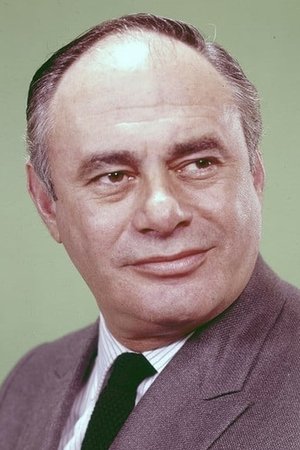
Martin Balsam
Juror 1

John Fiedler
Juror 2

Lee J. Cobb
Juror 3

E.G. Marshall
Juror 4

Jack Klugman
Juror 5

Edward Binns
Juror 6

Jack Warden
Juror 7

Henry Fonda
Juror 8
Movie Information
| IMDb Rating | 9.0 |
| Genre | Crime, Drama |
| Runtime | 96 min |
| Director | Sidney Lumet |
| Writer | Reginald Rose |
| Actors | Henry Fonda, Lee J. Cobb, Martin Balsam |
| Language | English |
| Country | United States |
| Awards | Nominated for 3 Oscars. 16 wins & 12 nominations total |
| Released | 10 Apr 1957 |
Cast Performance
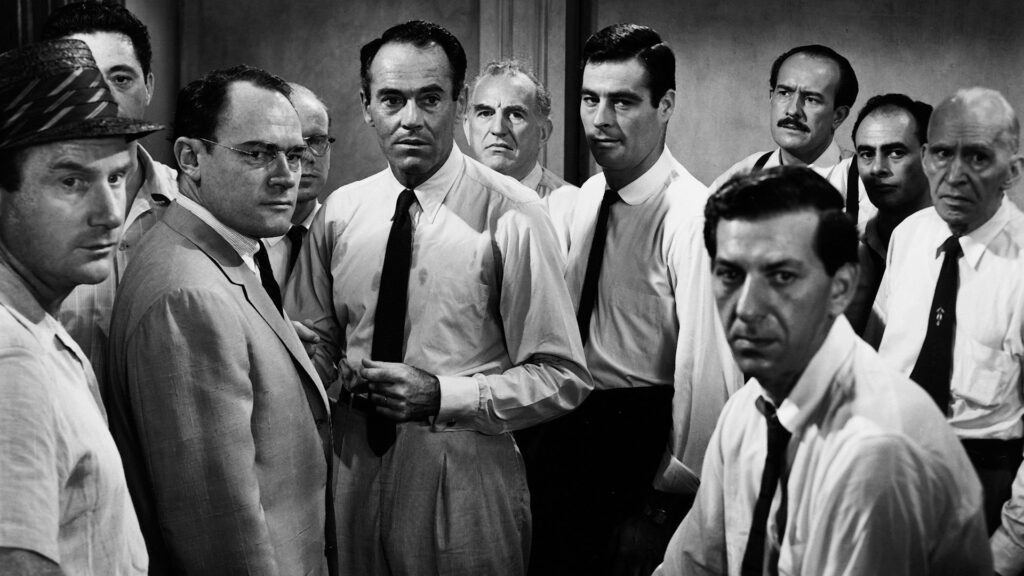
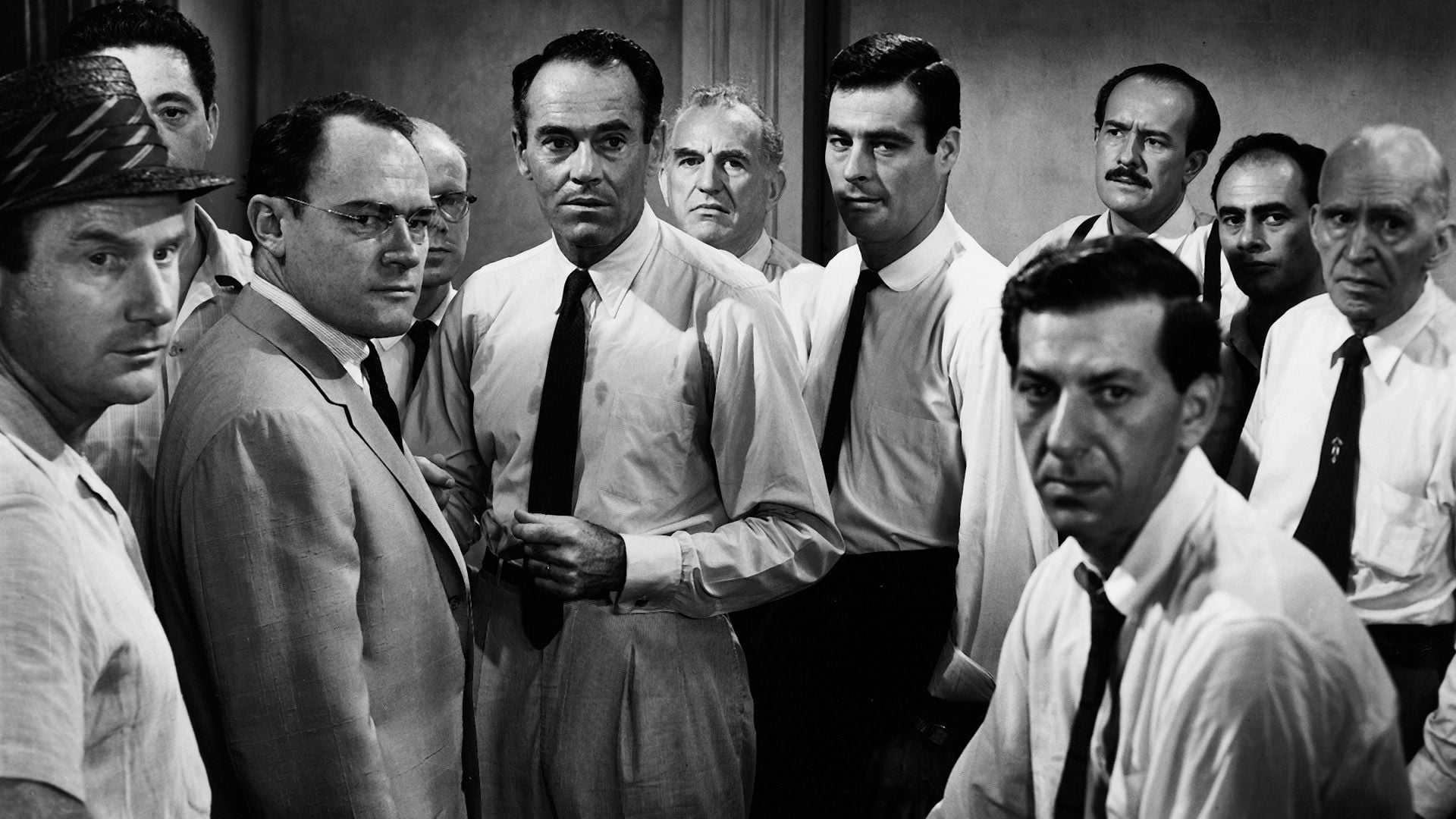
The brilliance of "12 Angry Men" lies in its extraordinary ensemble cast, where each actor delivers a nuanced and unforgettable performance. Led by the iconic Henry Fonda as Juror 8, the sole voice of dissent, the film meticulously crafts twelve distinct personalities, each grappling with their own prejudices, experiences, and sense of duty. Fonda embodies the quiet conviction and unwavering commitment to justice that drives the film's core conflict, making his portrayal of thoughtful doubt truly compelling. Surrounding him is a powerhouse of character actors, including Lee J. Cobb as the aggressive and prejudiced Juror 3, Jack Warden as the cynical Juror 7, and Martin Balsam as the thoughtful foreman, Juror 1. The confined setting heightens the intensity of their interactions, allowing the audience to witness every subtle shift in emotion and argument. Their collective chemistry and individual depth create a riveting dynamic that ensures every juror feels authentic, making their clash of ideologies feel incredibly real and impactful throughout the entire movie.
Cinematography
Despite its single-room setting, "12 Angry Men" demonstrates a masterful command of cinematography that transforms confinement into an integral part of its storytelling. Cinematographer Boris Kaufman ingeniously uses the limited space to build palpable tension and claustrophobia. The initial shots are often wider, allowing us to see all twelve men and their initial indifference. As the deliberations intensify and prejudices flare, the camera steadily moves closer, utilizing tighter shots, extreme close-ups, and varying angles to reflect the escalating pressure and individual psychological states of the jurors. This deliberate narrowing of the visual frame mirrors the emotional constriction within the room, making the audience feel trapped alongside the characters. The black and white aesthetic further enhances the film's gritty realism and timeless quality, stripping away distractions to focus purely on the faces, expressions, and the drama unfolding, making the visual experience as gripping as the dialogue.
Soundtrack
One of the most remarkable aspects of "12 Angry Men" is its deliberate and powerful use of a minimalistic soundtrack, or rather, the impactful absence of one. Unlike many dramas that rely heavily on sweeping scores to dictate emotion, director Sidney Lumet chose to let the dialogue, the performances, and the naturalistic sounds of the environment carry the weight of the narrative. The ambient sounds – the whirring of the fan, the distant rumble of a passing train, the pouring rain outside – become characters in themselves, subtly enhancing the oppressive atmosphere and the slow march of time. This stripped-down approach forces the audience to pay closer attention to the spoken word and the subtle non-verbal cues, making every argument, every sigh, and every moment of silence incredibly potent. The lack of a conventional score amplifies the realism and psychological tension, immersing viewers directly into the jury room and allowing the raw human drama to unfold without musical prompts, which makes for a uniquely intense viewing experience.
Review
More than six decades after its release, "12 Angry Men" remains an unparalleled cinematic achievement, a testament to the power of intelligent storytelling and exceptional acting. Sidney Lumet's direction is masterful, transforming a seemingly simple premise into a gripping psychological drama that never loses its intensity. The film's brilliance lies not just in its suspenseful narrative, but in its profound exploration of themes like justice, doubt, prejudice, and the responsibility of civic duty. It’s a thought-provoking examination of how easily assumptions can lead to grave errors and how courage, even in the face of overwhelming opposition, can steer the course of justice. Every performance is pitch-perfect, crafting twelve distinct and believable characters who clash, argue, and ultimately grapple with their own consciences. "12 Angry Men" is not just a film; it's an experience that challenges viewers to consider their own biases and the immense weight of judgment, earning its place as an enduring classic and a must-watch film for anyone seeking powerful, meaningful cinema.
Box Office
While "12 Angry Men" is now universally acclaimed as a cinematic masterpiece, its initial box office performance in 1957 was modest, even struggling to recoup its relatively small budget. Made for an estimated $350,000, it didn't immediately set the box office alight, indicating that its profound impact would be felt and appreciated over time rather than upon initial release. However, its true success cannot be measured solely in ticket sales from its theatrical run. The film quickly garnered immense critical praise, proving to be a 'sleeper hit' in terms of its lasting cultural and artistic influence. Its enduring legacy and growing reputation in the decades that followed speak volumes, establishing it as a foundational text in legal dramas and a staple in film studies. This trajectory highlights that some of the most impactful movies achieve their legendary status through critical appreciation and a timeless message, rather than immediate commercial blockbuster figures.
Awards
Despite its modest initial box office, "12 Angry Men" quickly cemented its critical reputation with a significant haul of prestigious awards and nominations. The film was nominated for three Academy Awards, including Best Picture, Best Director for Sidney Lumet, and Best Adapted Screenplay for Reginald Rose, showcasing its profound impact across key creative categories. Although it didn't win an Oscar in those highly competitive categories, its recognition by the Academy underscored its artistic merit. Internationally, the film received the coveted Golden Bear at the 7th Berlin International Film Festival, solidifying its status as a global cinematic triumph. Furthermore, it earned three BAFTA Award nominations, winning Best Foreign Actor for Henry Fonda. These accolades are a testament to the film's powerful storytelling, exceptional direction, and unforgettable performances, ensuring its place in the pantheon of critically acclaimed films and cementing its reputation as a true classic of world cinema.
Who Should Watch This Movie?
If you're a fan of gripping psychological dramas, intense character studies, or powerful legal thrillers, "12 Angry Men" is an absolute must-watch. This film is perfect for anyone who appreciates cinema that relies on sharp dialogue, nuanced performances, and intellectual tension over flashy action or special effects. Students of film will find a treasure trove of directorial and screenwriting techniques on display, particularly in how a confined setting can be used to maximum dramatic effect. Moreover, those interested in themes of justice, prejudice, democracy, and the human capacity for empathy and reason will find its message profoundly resonant and thought-provoking. It's a film that sparks discussion, challenges assumptions, and leaves a lasting impression, making it ideal for viewers who enjoy deep, meaningful cinematic experiences that stay with them long after the credits roll. Whether you're a seasoned cinephile or simply looking for a truly impactful story, this film delivers on all fronts.
Frequently Asked Questions
Is '12 Angry Men' based on a true story?
While '12 Angry Men' is not based on a specific true story, screenwriter Reginald Rose drew inspiration from his own experience serving on a jury. He aimed to create a realistic portrayal of the deliberation process and the complexities of the justice system, making it feel incredibly authentic despite being a fictional narrative. Its power comes from its truthful depiction of human psychology and the pursuit of justice.
What is the main message or theme of '12 Angry Men'?
The central themes of '12 Angry Men' revolve around reasonable doubt, justice, and the dangers of prejudice. The film powerfully illustrates how easily assumptions and preconceived notions can sway judgment, and the critical importance of a thorough, unbiased examination of evidence. It emphasizes the moral responsibility of individuals in a jury system and the strength it takes to stand up for one's convictions, even against a majority.
Why is '12 Angry Men' considered a classic film?
'12 Angry Men' is revered as a classic for numerous reasons: its brilliant script, Sidney Lumet's masterful direction, and the unforgettable ensemble performances. It's a timeless story that explores universal themes of justice, human nature, and societal biases, all within a confined, yet intensely dramatic, setting. Its impact on legal dramas and its enduring relevance to democratic processes cement its status as a cinematic masterpiece.
Is '12 Angry Men' still relevant today?
Absolutely. The themes explored in '12 Angry Men' – prejudice, the burden of proof, the search for truth, and the challenges of achieving consensus – remain incredibly pertinent in contemporary society. Its exploration of confirmation bias, groupthink, and the power of a single voice to challenge established norms makes it a perpetually relevant film, sparking discussions about civic duty and social justice in any era.
How long is the movie '12 Angry Men'?
'12 Angry Men' has a concise and impactful runtime of approximately 96 minutes (1 hour and 36 minutes). This relatively short duration is a testament to its tight script and masterful pacing, ensuring that every moment contributes to the escalating tension and character development, making for a compelling viewing experience without any wasted scenes.
Official Trailer
You May Also Like
Rear Window
1954
⭐ 8.3
The Experiment
2001
⭐ 7.4

A Streetcar Named Desire
1951
⭐ 7.6

Beauty and the Beast
1946
⭐ 7.5
Murder at the Gallop
1963
⭐ 7.1

Sunset Boulevard
1950
⭐ 8.3
Related Movies
Conclusion
In the annals of cinematic history, "12 Angry Men" stands as a towering achievement, a masterclass in tension-building, character development, and profound social commentary. Sidney Lumet's directorial debut remains as potent and relevant today as it was over six decades ago, continually reminding us of the fragility of justice and the immense responsibility entrusted to ordinary citizens. It's a film that strips away all artifice to focus on the raw power of human interaction, showcasing how deeply ingrained biases can be challenged by logic, empathy, and the sheer force of conviction. The performances are unforgettable, the pacing relentless, and the message timeless. More than just a legal drama, it’s a profound meditation on democracy, individual conscience, and the tireless pursuit of truth. For its sheer brilliance in storytelling and its enduring impact, "12 Angry Men" is not just a classic; it's an essential piece of cinematic education that continues to resonate with audiences worldwide.
For official information check TMDB.