Star Wars: Episode V – The Empire Strikes Back (1980) Movie Guide | Cast, Story, Review, Ending Explained & Where to Watch
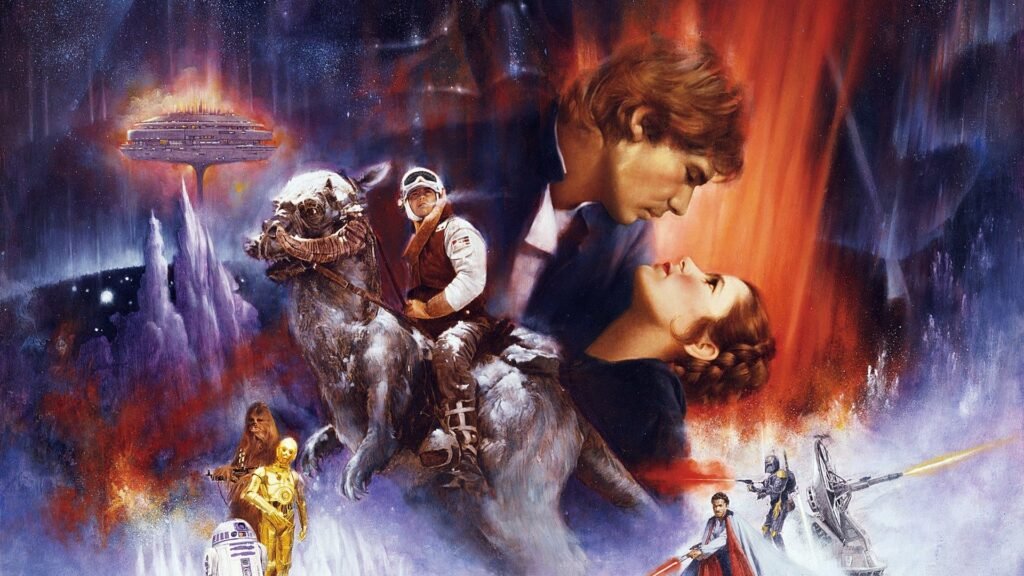


Star Wars: Episode V - The Empire Strikes Back (1980)
⭐ IMDb Rating: 8.7
🎭 Genre: Action, Adventure, Fantasy
⏱ Runtime: 124 min
🎬 Director: Irvin Kershner
📅 Released: 18 Jun 1980
🌍 Country: United States
Introduction
Stepping out of the shadow of its groundbreaking predecessor, "Star Wars: Episode V - The Empire Strikes Back" (1980) didn't just meet expectations; it soared beyond them, solidifying its place as one of cinema's most revered sequels and a cornerstone of the science fiction genre. Released three years after "A New Hope," this cinematic masterpiece plunged audiences deeper into a galaxy far, far away, delivering a narrative far more complex, emotionally resonant, and visually stunning. Often hailed by critics and fans alike as the pinnacle of the Star Wars saga, its impact on film culture and storytelling is immeasurable. From its darker tone to its iconic characters facing their greatest trials yet, "The Empire Strikes Back" redefined what a blockbuster sequel could achieve, proving that beloved stories could evolve, challenge, and ultimately enrich their universe. This film wasn't merely a continuation; it was a profound expansion that broadened the scope of its fictional world and deepened its thematic underpinnings, captivating a global audience and setting a new benchmark for epic filmmaking.
Story
The narrative of "The Empire Strikes Back" masterfully picks up the threads of the burgeoning conflict between the desperate Rebel Alliance and the relentless Galactic Empire. After their monumental victory, the heroes find themselves scattered and hunted, facing an enemy that is far from defeated. This chapter delves into a period of profound adversity for our protagonists, pushing them to their limits both physically and emotionally. The story explores themes of sacrifice, resilience, and the difficult choices faced when hope seems distant. While the Empire tightens its tyrannical grip on the galaxy, new alliances are forged, old mentors provide crucial guidance, and the individual journeys of beloved characters become increasingly complex. It’s a tale of growth and discovery amidst relentless peril, illustrating the immense personal stakes involved in the struggle for freedom. This installment is celebrated for its bold narrative choices, which elevate the Star Wars saga beyond simple good-versus-evil tales into a richer, more nuanced exploration of heroism and destiny.
Main Cast

Mark Hamill
Luke Skywalker

Harrison Ford
Han Solo

Carrie Fisher
Princess Leia

Billy Dee Williams
Lando Calrissian

Anthony Daniels
C-3PO

David Prowse
Darth Vader

Peter Mayhew
Chewbacca

Kenny Baker
R2-D2
Movie Information
| IMDb Rating | 8.7 |
| Genre | Action, Adventure, Fantasy |
| Runtime | 124 min |
| Director | Irvin Kershner |
| Writer | Leigh Brackett, Lawrence Kasdan, George Lucas |
| Actors | Mark Hamill, Harrison Ford, Carrie Fisher |
| Language | English |
| Country | United States |
| Awards | Won 1 Oscar. 27 wins & 21 nominations total |
| Released | 18 Jun 1980 |
Cast Performance
The returning ensemble cast of "The Empire Strikes Back" delivers performances that are nothing short of iconic, imbuing their characters with newfound depth and vulnerability. Mark Hamill, as Luke Skywalker, portrays a hero grappling with immense responsibility and the burgeoning power within him, conveying a powerful sense of internal struggle and evolving destiny. Harrison Ford’s Han Solo shines with his characteristic roguish charm, yet also reveals a more complex emotional core as his relationships deepen amidst dire circumstances. Carrie Fisher, as Princess Leia, steps further into her role as a leader and a formidable force, showcasing both her strength and her genuine care for her comrades. Billy Dee Williams makes a memorable entrance as Lando Calrissian, adding a layer of sophisticated ambiguity and moral complexity to the cast. The interplay between these actors, coupled with the gravitas brought by veteran performers, elevates the emotional stakes and makes every character arc feel incredibly authentic and impactful, cementing their places in cinematic history.
Cinematography
The visual artistry of "The Empire Strikes Back" is a testament to its groundbreaking cinematography, which transported audiences to vividly distinct and unforgettable locales across the galaxy. From the stark, unforgiving ice plains of Hoth, bathed in chilly blues and whites, to the murky, primeval swamps of Dagobah, shrouded in an ethereal mist, and the breathtakingly futuristic elegance of Cloud City, each environment is meticulously crafted to reflect the evolving narrative and emotional tone. The camera work masterfully captures both the vast, epic scale of galactic warfare and the intimate, personal struggles of the characters. Lighting is used with exceptional skill to convey mood, from the bright, oppressive white of Imperial corridors to the deep shadows that hint at lurking dangers and moral ambiguity. This visual diversity not only expands the Star Wars universe but also serves as a powerful storytelling tool, immersing viewers deeper into the saga's richly imagined worlds and enhancing the overall cinematic experience.
Soundtrack
John Williams' legendary score for "The Empire Strikes Back" is a monumental achievement, widely regarded as one of the greatest film soundtracks ever composed. Building upon the beloved themes introduced in "A New Hope," Williams masterfully expands the musical landscape, creating new motifs that have become instantly recognizable and deeply ingrained in popular culture. Most notably, the introduction of 'The Imperial March' (Darth Vader's Theme) provides a chilling, powerful sonic identity for the Empire, perfectly encapsulating its menace and grandeur. Beyond this iconic piece, the soundtrack weaves a tapestry of emotional melodies, from the sweeping romance of new love to the somber tones of impending doom and the thrilling orchestration of epic battles. The music doesn't merely accompany the visuals; it elevates every scene, intensifying the emotional impact, heightening suspense, and imbuing the narrative with an unparalleled sense of grandeur and pathos. Its enduring power continues to resonate with generations of film lovers, cementing its status as a timeless classical work.
Review
"The Empire Strikes Back" stands as a rare example of a sequel that not only surpasses its predecessor but redefines the very standards of its genre. Critically acclaimed upon its release and consistently ranked among the greatest films of all time, it captivated audiences with its bolder, darker narrative and profound character development. Critics lauded its sophisticated storytelling, which ventured into more morally ambiguous territory and tackled themes of failure, sacrifice, and the enduring struggle against overwhelming odds. The film's stunning visual effects, innovative sound design, and John Williams' iconic score also received widespread praise, contributing to an immersive and unforgettable cinematic experience. Its willingness to challenge audience expectations and deliver a powerful, emotionally complex story without neat resolutions set it apart. Decades later, its influence remains profound, continuing to inspire filmmakers and earning its reputation as a masterclass in epic sci-fi storytelling that never shies away from exploring the deeper facets of heroism and humanity.
Box Office
Released amidst immense anticipation, "The Empire Strikes Back" proved to be an undeniable box office phenomenon, cementing the Star Wars franchise as a dominant force in cinematic history. While exact figures from 1980 can vary with modern adjustments for inflation, the film quickly became one of the highest-grossing movies of its era, captivating audiences worldwide and generating colossal revenue. Its commercial success wasn't just about financial numbers; it demonstrated the immense cultural impact and global appeal of the Star Wars universe, showing that the audience's appetite for George Lucas's vision had only grown since "A New Hope." The film's impressive performance at the global box office underscored its status as a critical and commercial triumph, paving the way for future installments and establishing a benchmark for blockbuster sequels. It solidified the franchise's economic power, proving that a darker, more complex narrative could still achieve massive popular success and sustain a cinematic phenomenon.
Awards
"The Empire Strikes Back" garnered significant critical recognition and several prestigious accolades, solidifying its place as a groundbreaking cinematic achievement. At the 53rd Academy Awards, the film received nominations for Best Art Direction, Best Original Score, and Best Sound, reflecting its exceptional technical and artistic merits. It ultimately won a Special Achievement Oscar for Visual Effects, acknowledging its pioneering and awe-inspiring contributions to cinematic technology that pushed the boundaries of what was possible on screen. Beyond the Oscars, John Williams' iconic score was honored with a BAFTA Award for Best Original Music, further cementing its status as a timeless masterpiece. While it wasn't a sweep in the major categories, these awards and nominations highlighted the film's undeniable excellence in craftsmanship, its innovative special effects, and its unforgettable musical score, all of which contributed to its enduring legacy as a critically acclaimed and influential work of art.
Who Should Watch This Movie?
"The Empire Strikes Back" is an absolute must-watch for a vast and diverse audience. Existing Star Wars enthusiasts will find it to be an endlessly rewatchable core pillar of the saga, deepening their appreciation for the characters and overarching narrative. For newcomers, it offers a crucial next step after "A New Hope," revealing the saga's capacity for complex storytelling and emotional gravitas. Science fiction aficionados will marvel at its groundbreaking special effects, imaginative world-building, and profound themes that transcend typical genre boundaries. Film students and aspiring filmmakers can study its masterful pacing, character development, and innovative use of cinematography and sound. Beyond genre specifics, anyone who appreciates compelling drama, epic adventure, and a story that truly makes you feel for its characters will be captivated. It’s a timeless classic that appeals to those seeking rich narratives, iconic heroes, and a cinematic experience that resonates long after the credits roll.
Frequently Asked Questions
Why is The Empire Strikes Back often considered the best Star Wars movie?
Many fans and critics hail "The Empire Strikes Back" as the best due to its bolder, darker, and more complex narrative. It delves deeper into character development, raises the stakes significantly, and explores themes of sacrifice, failure, and moral ambiguity, offering a more mature and emotionally resonant story than its predecessor. Its iconic plot twists, groundbreaking special effects for its time, and John Williams' unforgettable score (including 'The Imperial March') also contribute to its legendary status, making it a masterclass in epic storytelling that pushes the boundaries of its genre.
Who directed The Empire Strikes Back?
"The Empire Strikes Back" was directed by Irvin Kershner. While George Lucas created the Star Wars universe and oversaw the production, he chose Kershner to direct this installment, believing a fresh perspective would benefit the film. Kershner's direction is often praised for bringing a greater sense of dramatic weight and character focus to the saga, steering the film into its critically acclaimed, darker, and more emotionally intense territory, which many consider a key factor in its enduring appeal and cinematic excellence.
What major themes are explored in The Empire Strikes Back?
"The Empire Strikes Back" explores several profound themes that resonate deeply with audiences. Key themes include the struggle between good and evil, the weight of destiny, and the challenges of personal growth and self-discovery. It delves into sacrifice, betrayal, and the nature of power, both personal and political. The film also emphasizes the importance of mentorship, the resilience of hope in the face of despair, and the complex dynamics of love and friendship amidst conflict, all contributing to its rich and multi-layered narrative.
Is it necessary to watch A New Hope before The Empire Strikes Back?
Yes, it is highly recommended and almost essential to watch "Star Wars: Episode IV - A New Hope" before "The Empire Strikes Back." The latter is a direct continuation of the story, building upon the established characters, relationships, and galactic conflict introduced in the first film. Watching "A New Hope" provides crucial context for the characters' motivations, the state of the galaxy, and the ongoing struggle between the Rebel Alliance and the Galactic Empire, ensuring a much richer and more comprehensible viewing experience for "The Empire Strikes Back."
When was The Empire Strikes Back released?
"Star Wars: Episode V - The Empire Strikes Back" was originally released on May 21, 1980. Its release came three years after the groundbreaking success of "Star Wars: A New Hope" (originally just "Star Wars") and captivated audiences worldwide, quickly becoming one of the highest-grossing films of its era. The film's premiere marked a significant moment in cinematic history, further solidifying the Star Wars franchise as a global phenomenon and setting new standards for blockbuster sequels.
Official Trailer
You May Also Like
Indiana Jones and the Kingdom of the Crystal Skull
2008
⭐ 6.0
Bride of Frankenstein
1935
⭐ 7.5
Star Trek: First Contact
1996
⭐ 7.3
Star Trek: Insurrection
1998
⭐ 6.4
Back to the Future Part II
1989
⭐ 7.8
Predator 2
1990
⭐ 6.3
Related Movies
Conclusion
"Star Wars: Episode V - The Empire Strikes Back" isn't just a film; it's a cultural phenomenon that reshaped the landscape of cinematic storytelling. Its daring narrative, which eschewed simplistic happy endings for a more nuanced and challenging journey, proved that sequels could elevate a franchise to unprecedented heights of artistic and emotional depth. From John Williams' unforgettable score that gave voice to the Empire's might and the Rebellion's struggle, to the groundbreaking visual effects that brought new worlds to life, every element coalesced into a masterpiece. The film's enduring legacy lies in its ability to consistently captivate new generations while retaining its profound impact on those who grew up with it. It stands as a testament to the power of imagination, the complexity of heroism, and the enduring allure of a galaxy far, far away, solidifying its place as arguably the finest installment in one of cinema's most beloved sagas and an essential piece of film history.
Visit TMDB to get official information.