The Silence of the Lambs (1991) Movie Guide | Cast, Story, Review, Ending Explained & Where to Watch
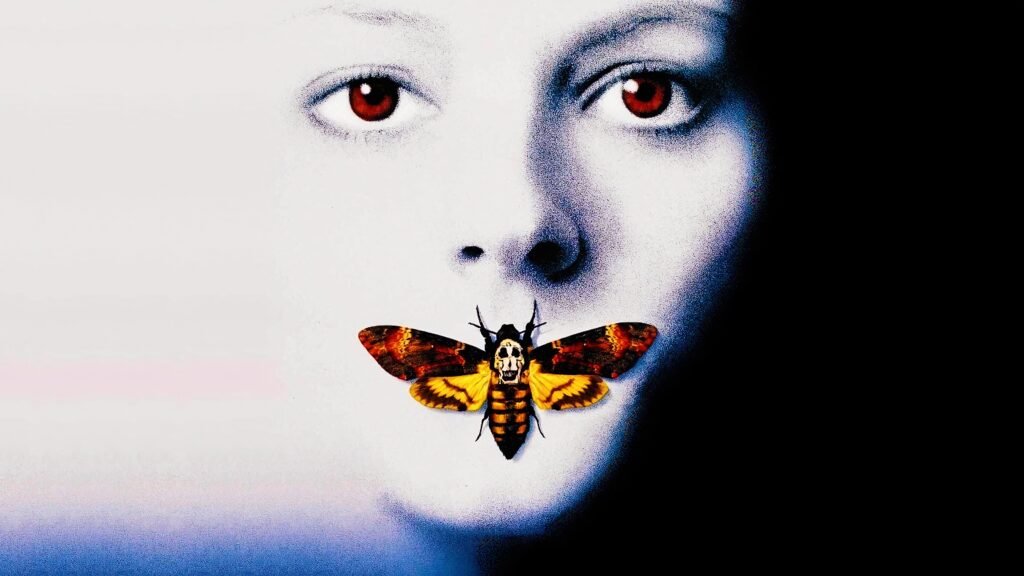
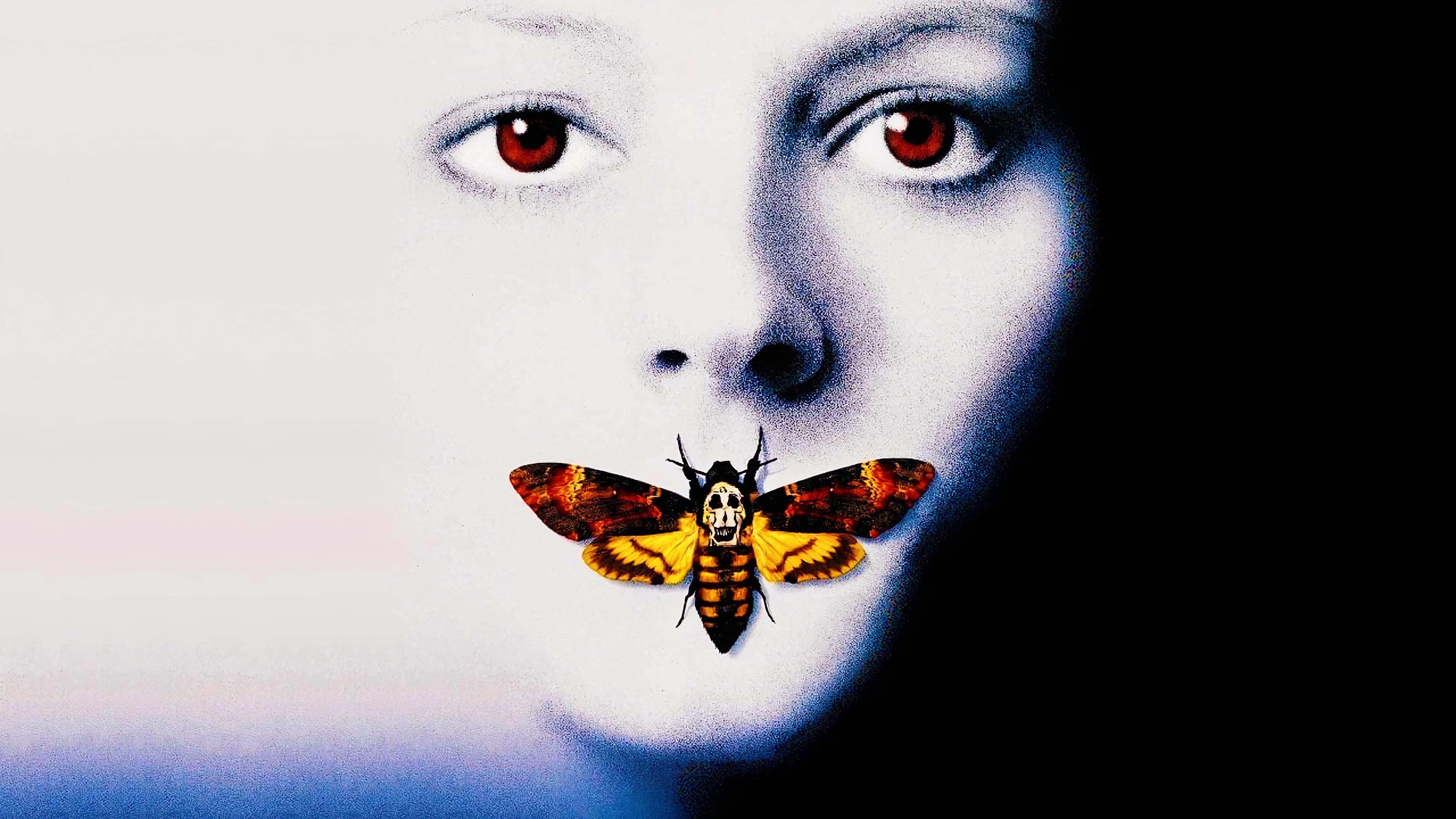

The Silence of the Lambs (1991)
⭐ IMDb Rating: 8.6
🎭 Genre: Crime, Drama, Horror
⏱ Runtime: 118 min
🎬 Director: Jonathan Demme
📅 Released: 14 Feb 1991
🌍 Country: United States
Introduction
Step into the chilling world of "The Silence of the Lambs" (1991), a psychological thriller that redefined the genre and cemented its place as a cinematic masterpiece. Directed by the brilliant Jonathan Demme, this film isn't just a horror flick; it's a deep dive into the human psyche, exploring themes of fear, intelligence, and the fine line between genius and madness. From its initial release, it captivated audiences and critics alike, earning widespread acclaim for its gripping narrative, masterful direction, and unforgettable performances. "The Silence of the Lambs" transcends typical genre classifications, offering a unique blend of horror, crime, and drama that remains as potent and unsettling today as it was over three decades ago. If you're looking for a film that truly gets under your skin and stays with you long after the credits roll, this iconic movie is an absolute must-watch. Its enduring legacy is a testament to its unparalleled storytelling and profound impact on popular culture.
Story
At its heart, "The Silence of the Lambs" introduces us to Clarice Starling, a bright but inexperienced FBI trainee, thrust into a high-stakes investigation. A monstrous serial killer, known only as Buffalo Bill, is abducting and murdering young women across the country, and the FBI is running out of leads. In a desperate move, Clarice is assigned to interview Dr. Hannibal Lecter, a brilliant psychiatrist and incarcerated cannibalistic serial killer, hoping his unique insights might offer a clue to Buffalo Bill's identity or methods. What unfolds is a terrifying game of psychological chess between Clarice and Lecter, where intellectual sparring and chilling revelations become the norm. The film masterfully builds suspense as Clarice navigates Lecter's manipulative mind, facing her own inner demons while racing against time to save Buffalo Bill's latest victim. It's a gripping narrative that focuses less on gore and more on the psychological torment and intellectual struggle of its characters.
Main Cast

Jodie Foster
Clarice Starling

Anthony Hopkins
Dr. Hannibal Lecter

Scott Glenn
Jack Crawford

Ted Levine
Jame Gumb

Anthony Heald
Dr. Frederick Chilton

Brooke Smith
Catherine Martin

Diane Baker
Senator Ruth Martin

Kasi Lemmons
Ardelia Mapp
Movie Information
| IMDb Rating | 8.6 |
| Genre | Crime, Drama, Horror |
| Runtime | 118 min |
| Director | Jonathan Demme |
| Writer | Thomas Harris, Ted Tally |
| Actors | Jodie Foster, Anthony Hopkins, Scott Glenn |
| Language | English, Latin |
| Country | United States |
| Awards | Won 5 Oscars. 71 wins & 50 nominations total |
| Released | 14 Feb 1991 |
Cast Performance
The performances in "The Silence of the Lambs" are nothing short of legendary, primarily driven by its two lead actors. Jodie Foster delivers a career-defining portrayal of Clarice Starling, embodying her vulnerability, determination, and quiet strength with incredible nuance. Foster masterfully conveys the weight of Clarice's past and the immense pressure of her present task, making her an instantly empathetic and formidable protagonist. Then there's Anthony Hopkins as Dr. Hannibal Lecter, a performance so iconic it has seeped into the collective consciousness. Despite limited screen time, Hopkins' Lecter commands every scene, his chilling intelligence, articulate menace, and unsettling charisma creating one of cinema's most memorable villains. His subtle facial expressions and piercing gaze are enough to send shivers down your spine. The dynamic between Foster and Hopkins is electric, a mesmerizing dance of wits and wills that elevates the entire film to an acting masterclass, justly earning them both Academy Awards.
Cinematography
The visual language of "The Silence of the Lambs," meticulously crafted by cinematographer Tak Fujimoto, plays a crucial role in establishing its deeply unsettling atmosphere. Fujimoto's use of close-ups, particularly on Clarice Starling, draws the audience into her perspective, forcing us to experience her fear, anxiety, and determination firsthand. This technique creates a strong sense of intimacy and claustrophobia, making the psychological tension almost palpable. The film's color palette is often muted, dominated by dark blues, grays, and browns, which perfectly complements the grim subject matter and the dimly lit environments, from Lecter's cell to Buffalo Bill's lair. The deliberate framing and composition often highlight power dynamics and vulnerability, isolating characters or emphasizing their intellectual confrontation. This masterful cinematography doesn't just show the story; it immerses viewers directly into the psychological horror, making every shot contribute to the film's pervasive sense of dread and unease.
Soundtrack
The haunting and atmospheric score for "The Silence of the Lambs," composed by the renowned Howard Shore, is an indispensable element in crafting the film's pervasive sense of dread and psychological tension. Shore's music rarely resorts to overt scares but instead subtly weaves a tapestry of unease, building suspense with delicate precision. The main themes are often melancholic and ominous, utilizing strings and low brass to evoke a feeling of impending doom and intellectual darkness. The score expertly underscores the film's psychological complexities, particularly during the intense exchanges between Clarice and Lecter, where the music adds another layer to their intricate mind games. Rather than being a mere background element, Shore's soundtrack actively participates in the storytelling, guiding the audience's emotions, enhancing the film's chilling atmosphere, and amplifying the internal struggles of its characters. It's a masterclass in how music can elevate a thriller, making the silence and the sound equally powerful.
Review
"The Silence of the Lambs" arrived in 1991 to a storm of critical acclaim, instantly recognized as a groundbreaking achievement in the thriller genre. Critics lauded its sophisticated screenplay, which skillfully balanced intricate plotlines with profound character development, and Jonathan Demme's taut, unflinching direction. The film was praised for transcending typical horror tropes, offering a deeply intelligent and psychologically resonant experience that left audiences thinking long after the credits rolled. Reviewers frequently highlighted the exceptional performances of Jodie Foster and Anthony Hopkins, whose portrayals became instant benchmarks for acting excellence. Its ability to create genuine suspense and horror through psychological manipulation rather than gratuitous gore was seen as a refreshing and mature approach. "The Silence of the Lambs" was quickly heralded as a modern classic, not just for its entertainment value but for its artistic merit and its lasting impact on cinematic storytelling, cementing its reputation as a genre-defining masterpiece.
Box Office
Upon its release, "The Silence of the Lambs" proved to be a resounding success at the box office, defying expectations for a film of its genre. Opening in February 1991, it quickly garnered strong word-of-mouth and sustained popularity, demonstrating that audiences were eager for intelligent, character-driven thrillers. It grossed over $130 million domestically, becoming one of the highest-earning films of the year and a significant financial triumph for Orion Pictures. Its commercial performance was particularly notable given its R-rating and the psychological intensity of its themes, proving that critical acclaim could translate directly into widespread audience appeal. The film's box office success was instrumental in elevating its profile even further, transforming it from a well-regarded thriller into a cultural phenomenon that resonated with a vast viewership, ultimately paving the way for its historic sweep at the Academy Awards.
Awards
"The Silence of the Lambs" etched its name into cinematic history by achieving a rare and remarkable feat at the 64th Academy Awards. It became only the third film ever to win the 'Big Five' Oscars: Best Picture, Best Director (Jonathan Demme), Best Actor (Anthony Hopkins), Best Actress (Jodie Foster), and Best Adapted Screenplay (Ted Tally). This extraordinary sweep cemented its status not just as a popular thriller, but as a film of profound artistic merit recognized by the industry's highest honors. Beyond the Academy Awards, the film also garnered numerous accolades from prestigious organizations and critics' associations worldwide, including Golden Globes and BAFTA Awards for its leading actors and overall excellence. Its unprecedented success across major categories underscored its masterful storytelling, stellar performances, and profound impact, solidifying its place as one of the most critically acclaimed and awarded films of its era, and indeed, of all time.
Who Should Watch This Movie?
If you're drawn to intelligent storytelling, profound psychological depth, and genuinely unsettling suspense, "The Silence of the Lambs" is an absolute must-watch. This film is perfect for enthusiasts of crime thrillers, psychological horror, and character-driven dramas who appreciate a narrative that delves deep into the minds of its protagonists and antagonists. Those who enjoy complex mysteries and intricate mind games will be captivated by the cat-and-mouse dynamic between Clarice Starling and Hannibal Lecter. However, be aware that while it avoids gratuitous gore, the film deals with very mature and disturbing themes, including serial murder, psychological manipulation, and intense emotional trauma. It's a powerful and thought-provoking experience, ideal for audiences looking for more than just jump scares, but rather a film that will challenge their perceptions and stay with them long after viewing.
Frequently Asked Questions
Is "The Silence of the Lambs" a horror movie?
While it contains strong horror elements and is often classified within the horror genre, "The Silence of the Lambs" is more accurately described as a psychological thriller. It relies heavily on suspense, character development, and psychological manipulation to create dread, rather than relying on jump scares or explicit gore typically associated with traditional horror films. It delves deep into the minds of its characters, making the psychological tension the primary source of fear.
Who directed "The Silence of the Lambs"?
"The Silence of the Lambs" was brilliantly directed by Jonathan Demme. His meticulous approach to filmmaking, characterized by close-up shots that immerse the audience in the characters' perspectives and a keen sense of atmospheric tension, was instrumental in the film's critical and commercial success. Demme's direction earned him an Academy Award for Best Director, a testament to his profound impact on the movie's iconic status.
What makes Hannibal Lecter such an iconic character?
Hannibal Lecter's iconic status stems from his terrifying combination of extraordinary intelligence, chilling eloquence, and utterly depraved nature. Portrayed unforgettably by Anthony Hopkins, he is not merely a madman but a highly cultured, sophisticated individual whose insights are as profound as his actions are monstrous. His ability to manipulate and psychologically torment others, coupled with a calm, almost courteous demeanor, creates a unique and deeply unsettling villain who fascinates and repels audiences simultaneously.
Is "The Silence of the Lambs" based on a book?
Yes, "The Silence of the Lambs" is based on the novel of the same name by Thomas Harris, published in 1988. It is the second novel in the Hannibal Lecter series, following "Red Dragon." The film's screenplay, adapted by Ted Tally, is widely praised for its faithful yet cinematic translation of Harris's chilling narrative and complex characters, earning it an Academy Award for Best Adapted Screenplay.
Why is "The Silence of the Lambs" considered a classic?
"The Silence of the Lambs" is considered a classic due to its exceptional quality across all filmmaking aspects: a gripping and intelligent screenplay, masterful direction, unforgettable and Oscar-winning performances, and a haunting score and cinematography that create an unparalleled atmosphere. Its groundbreaking achievement of winning the 'Big Five' Academy Awards solidifies its artistic merit, while its lasting cultural impact and ability to continuously captivate new audiences cement its status as a timeless cinematic masterpiece.
Official Trailer
You May Also Like

Captain Khorshid
1987
⭐ 6.3

Cut Off
2018
⭐ 6.6
Tulip Fever
2017
⭐ 6.5

School for Buglars
1958
⭐ 7.6
The Outfit
2022
⭐ 7.1
Apocalypse Now
1979
⭐ 8.3
Related Movies
Conclusion
"The Silence of the Lambs" stands as an indelible monument in the landscape of cinema, a film that masterfully blends psychological terror with gripping crime drama to create something truly unique and unforgettable. Its enduring power lies not only in its chilling narrative and iconic performances but also in its profound exploration of human nature, morality, and the darkness that can reside within. Decades after its release, Jonathan Demme's masterpiece continues to captivate new generations of viewers, sparking conversations and inspiring countless subsequent thrillers. It remains a testament to exceptional filmmaking, proving that a story can be both profoundly disturbing and intellectually stimulating. For anyone seeking a film that challenges, enthralls, and leaves an indelible mark, "The Silence of the Lambs" is a quintessential cinematic experience that continues to resonate with its timeless horror and psychological depth.
For official information check TMDB.