Saving Private Ryan (1998) Movie Guide | Cast, Story, Review, Ending Explained & Where to Watch
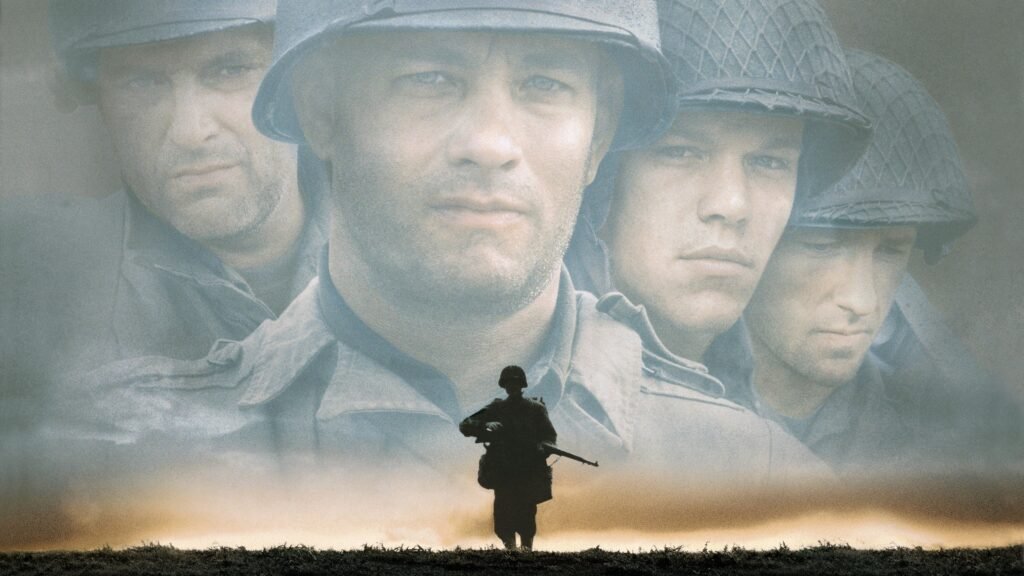
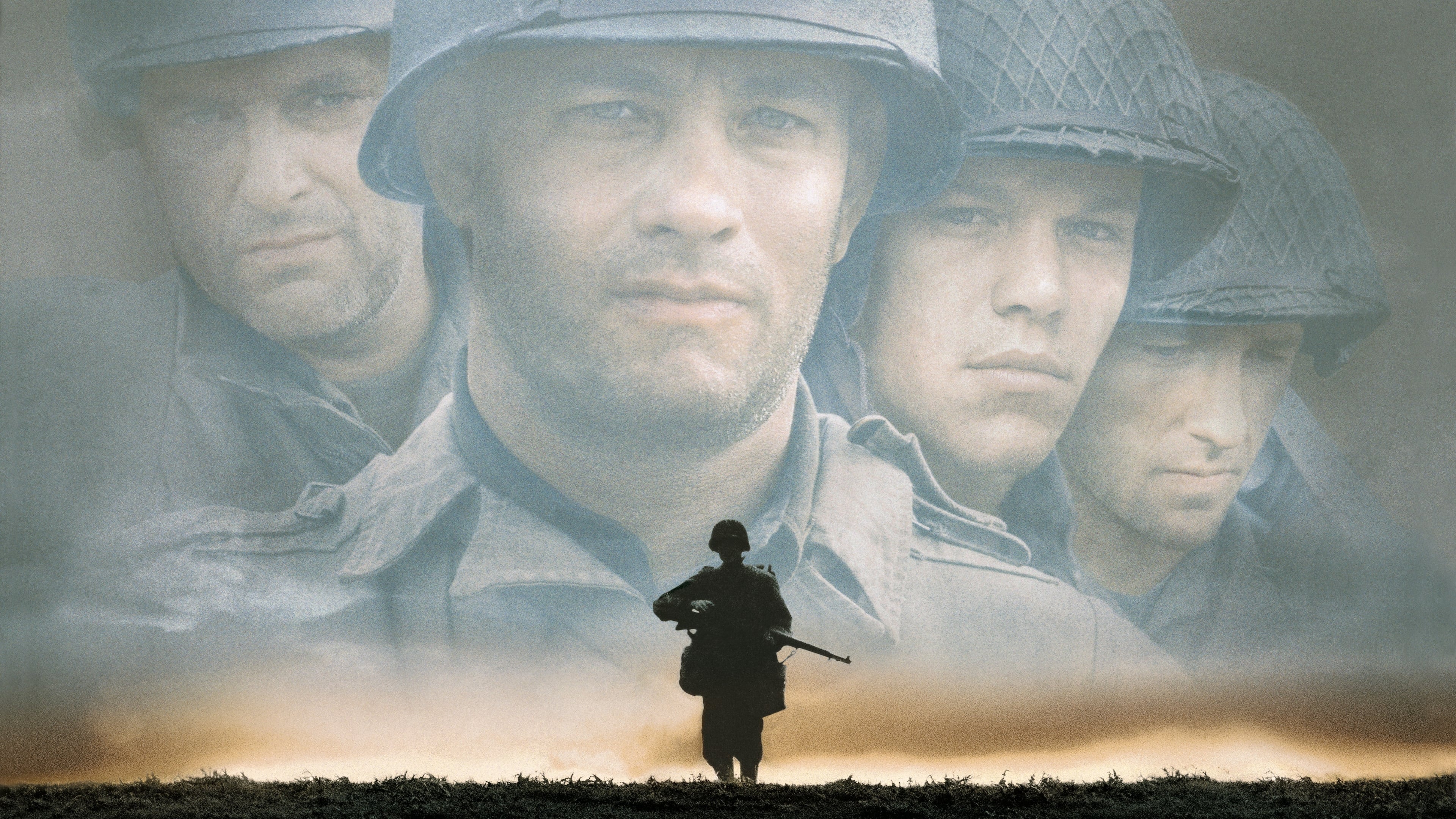

Saving Private Ryan (1998)
⭐ IMDb Rating: 8.6
🎭 Genre: Drama, War
⏱ Runtime: 169 min
🎬 Director: Steven Spielberg
📅 Released: 24 Jul 1998
🌍 Country: United States
Introduction
When we talk about landmark cinematic achievements, Steven Spielberg's "Saving Private Ryan" (1998) invariably enters the conversation. More than just a film, it's a visceral, unforgettable experience that redefined the war genre and left an indelible mark on audiences worldwide. This World War II epic plunges viewers directly into the harrowing realities of combat, presenting a stark, unflinching portrayal of bravery, sacrifice, and the profound human cost of conflict. Starring the incomparable Tom Hanks, this masterpiece isn't just a story about a specific mission; it's a profound meditation on duty, the psychological toll of war, and the enduring spirit of those who fought. From its groundbreaking opening sequence to its emotionally resonant conclusion, "Saving Private Ryan" stands as a testament to powerful filmmaking and storytelling, solidifying its place as one of the most important movies ever made. Its legacy continues to resonate, prompting contemplation about history, heroism, and the sacrifices made for freedom.
Story
At its heart, "Saving Private Ryan" follows a U.S. Army Captain, John Miller, portrayed by Tom Hanks, who leads a small squad on an extraordinary mission during World War II. After the brutal D-Day landings, a unique directive comes from high command: locate and send home Private James Francis Ryan. The compelling twist? Ryan's three brothers have already been killed in action, and the military wants to spare his mother any further grief. This seemingly straightforward rescue mission becomes a perilous journey deep behind enemy lines, forcing Captain Miller and his men to confront unimaginable horrors, moral dilemmas, and the very definition of sacrifice. The narrative masterfully explores the weight of one life against many, the camaraderie forged in the crucible of war, and the psychological burden carried by soldiers. It's a quest fraught with danger, demanding immense courage and questioning the true cost of human life amidst global conflict.
Main Cast

Tom Hanks
Captain Miller

Tom Sizemore
Sergeant Horvath

Edward Burns
Private Reiben

Barry Pepper
Private Jackson

Adam Goldberg
Private Mellish

Vin Diesel
Private Caparzo

Giovanni Ribisi
T/4 Medic Wade

Jeremy Davies
Corporal Upham
Movie Information
| IMDb Rating | 8.6 |
| Genre | Drama, War |
| Runtime | 169 min |
| Director | Steven Spielberg |
| Writer | Robert Rodat |
| Actors | Tom Hanks, Matt Damon, Tom Sizemore |
| Language | English, French, German, Czech |
| Country | United States |
| Awards | Won 5 Oscars. 79 wins & 75 nominations total |
| Released | 24 Jul 1998 |
Cast Performance
The performances in "Saving Private Ryan" are nothing short of extraordinary, anchoring the film's profound emotional impact. Tom Hanks delivers one of his most iconic and understated portrayals as Captain Miller, a schoolteacher turned soldier burdened by the immense responsibility of his command. His quiet strength, internal struggles, and palpable weariness resonate deeply, making him an incredibly relatable and heroic figure. The ensemble cast, featuring talents like Matt Damon as Private Ryan, Tom Sizemore, Edward Burns, Barry Pepper, Vin Diesel, and Jeremy Davies, forms a cohesive and believable unit. Each actor imbues their character with distinct personalities, fears, and hopes, creating a diverse cross-section of humanity thrust into an unimaginable situation. Their raw, authentic reactions to the horrors surrounding them foster a powerful sense of camaraderie and loss, ensuring that every soldier's journey, no matter how brief, leaves a lasting impression on the audience. The collective performances are a masterclass in conveying the psychological and physical toll of war.
Cinematography
The cinematography in "Saving Private Ryan," masterfully handled by Janusz Kamiński, is a significant reason for the film's unprecedented impact and critical acclaim. Kamiński's work is characterized by its gritty realism, often employing a desaturated color palette that mimics the look of old newsreels and documentary footage, immediately immersing viewers into the historical period. The groundbreaking opening sequence on Omaha Beach is a prime example, utilizing handheld cameras, quick cuts, and a visceral, almost documentary-style approach to create an incredibly intense and chaotic experience. This stylistic choice throws the audience directly into the heart of battle, blurring the lines between observer and participant. Throughout the film, Kamiński employs deep focus and natural lighting to emphasize the stark realities of the environment and the vulnerability of the soldiers. His innovative techniques not only serve the narrative but also redefined how war films could visually portray conflict, setting a new standard for authenticity and immersion.
Soundtrack
While "Saving Private Ryan" is often lauded for its brutal realism and immersive sound design, John Williams' score provides a crucial emotional counterpoint. Unlike many war films that rely on bombastic, heroic anthems, Williams crafted a more reflective and elegiac score that emphasizes the human element and the profound sense of loss. His compositions are often sparse and poignant, using orchestral arrangements to underscore moments of quiet reflection, camaraderie, and grief, rather than solely escalating tension during battle sequences. Pieces like 'Hymn to the Fallen' beautifully encapsulate the solemnity and sacrifice inherent in the film's narrative, becoming an anthem for remembrance. The soundtrack doesn't overpower the film's raw soundscape of gunfire and explosions; instead, it thoughtfully punctuates the emotional beats, allowing the audience to process the immense weight of the events unfolding. It’s a testament to Williams’ genius that his music enhances the film's emotional depth without detracting from its unflinching realism.
Review
"Saving Private Ryan" received near-universal critical acclaim upon its release, lauded as a groundbreaking achievement in cinematic storytelling and war filmmaking. Critics widely praised Steven Spielberg's unflinching direction, Janusz Kamiński's visceral cinematography, and the powerful, authentic performances from its ensemble cast, particularly Tom Hanks. The film's opening D-Day sequence was singled out as a masterclass in realistic, immersive filmmaking, setting a new benchmark for portraying the horrors of war on screen. Reviewers consistently highlighted its ability to convey the immense human cost of conflict, prompting profound reflections on heroism, sacrifice, and the psychological impact of battle. It was celebrated not just as an action film, but as a deeply human drama that transcended genre boundaries. "Saving Private Ryan" quickly cemented its place in film history as a monumental work, influencing countless war movies that followed and sparking important conversations about historical accuracy and the portrayal of combat.
Box Office
Upon its release in 1998, "Saving Private Ryan" was not only a critical darling but also a massive commercial success, demonstrating that audiences were ready for a powerful, unvarnished depiction of World War II. The film quickly became one of the highest-grossing movies of the year, captivating moviegoers across the globe. Domestically, it earned a staggering amount, and its worldwide theatrical run pushed its total gross well over the $480 million mark. This impressive box office performance solidified its status as a major cinematic event and proved that mature, historically significant dramas with a significant budget could resonate deeply with a broad audience. Its financial success further underscored its cultural impact, allowing it to reach millions of viewers and cement its legacy as both a critically revered and commercially triumphant film, far exceeding initial expectations for a demanding war epic.
Awards
"Saving Private Ryan" was a juggernaut during the 1999 awards season, garnering immense recognition for its groundbreaking artistry and profound impact. It received a remarkable eleven Academy Award nominations, ultimately winning five coveted Oscars. Steven Spielberg was honored with the Academy Award for Best Director, a testament to his masterful vision and execution. The film also triumphed in technical categories, securing awards for Best Cinematography, Best Film Editing, Best Sound, and Best Sound Effects Editing, highlighting its revolutionary approach to depicting combat realism. While it famously did not win Best Picture, its numerous accolades across various prestigious ceremonies, including the Golden Globe Award for Best Motion Picture – Drama, underscored its status as a critical darling and a truly exceptional piece of filmmaking. These awards cemented its place as a pivotal work in cinema history, recognized for both its artistic merit and its powerful message.
Who Should Watch This Movie?
"Saving Private Ryan" is an essential watch for anyone interested in the human experience of war, not just military history enthusiasts. It is particularly recommended for those who appreciate powerful, character-driven dramas and masterful filmmaking. Viewers looking for an unflinching, realistic portrayal of combat, rather than a romanticized version, will find this film deeply impactful. Fans of Steven Spielberg's work, especially his ability to blend grand spectacle with intimate human stories, will not be disappointed. It's a film for those who wish to understand the sacrifices made by soldiers and the profound psychological toll of conflict. However, be advised that due to its graphic and intense depiction of violence, particularly the opening D-Day sequence, it is not suitable for younger viewers or those sensitive to scenes of extreme brutality. This is a profound and emotionally challenging film, demanding reflection and commanding respect.
Frequently Asked Questions
Is "Saving Private Ryan" based on a true story?
While the specific mission to save Private Ryan is fictional, the film is deeply inspired by real historical events and the experiences of soldiers during World War II, particularly the Niland brothers case. It captures the harrowing realities of combat with significant historical accuracy in its depiction of D-Day and the European theater.
Who directed "Saving Private Ryan"?
The critically acclaimed film "Saving Private Ryan" was directed by the legendary filmmaker Steven Spielberg. His visionary direction earned him an Academy Award for Best Director for his work on this powerful war epic.
What makes "Saving Private Ryan" so impactful?
The film's immense impact stems from its groundbreaking realism, especially the opening D-Day sequence, which redefined on-screen combat. Its powerful storytelling, exceptional cinematography, authentic performances, and unflinching portrayal of the human cost of war contribute to its profound emotional resonance and lasting legacy.
How many Oscars did "Saving Private Ryan" win?
"Saving Private Ryan" won five Academy Awards from eleven nominations. These included Best Director for Steven Spielberg, Best Cinematography, Best Film Editing, Best Sound, and Best Sound Effects Editing, recognizing its technical brilliance and artistic achievement.
Is "Saving Private Ryan" suitable for all ages?
Due to its graphic and intense depiction of warfare, including significant violence, gore, and mature themes, "Saving Private Ryan" is rated R. It is not suitable for young children and parental guidance is strongly advised for teenagers. Its content is intentionally brutal to convey the realities of war.
Official Trailer
You May Also Like
Good Morning, Vietnam
1987
⭐ 7.3
Night and Fog
1956
⭐ 8.3
Roman Holiday
1953
⭐ 7.9
JFK
1991
⭐ 7.6
Judgment at Nuremberg
1961
⭐ 8.0
The Day the Earth Stood Still
1951
⭐ 7.5
Related Movies
Conclusion
More than two decades after its release, "Saving Private Ryan" remains a cinematic touchstone, consistently ranked among the greatest films ever made. Its enduring power lies in its ability to transcend the typical war movie narrative, offering a deeply human story embedded within the brutal realities of World War II. Steven Spielberg's visionary direction, coupled with Janusz Kamiński's groundbreaking cinematography and an unforgettable ensemble cast led by Tom Hanks, created an immersive experience that challenged perceptions and fostered empathy. The film's legacy extends beyond its critical acclaim and box office success; it continues to spark conversations about history, heroism, and the profound cost of freedom. "Saving Private Ryan" is not merely a historical depiction; it is a powerful reminder of shared humanity and the sacrifices that echo through generations, solidifying its place as a timeless masterpiece that continues to resonate with unparalleled emotional force.
Check TMDB for official information.