Seven Samurai (1954) Movie Guide | Cast, Story, Review, Ending Explained & Where to Watch
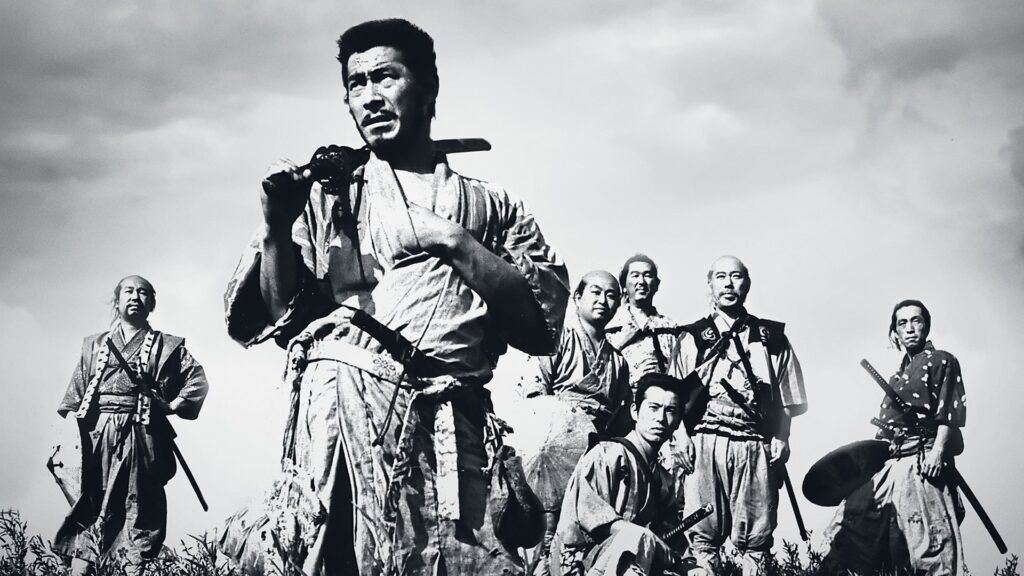
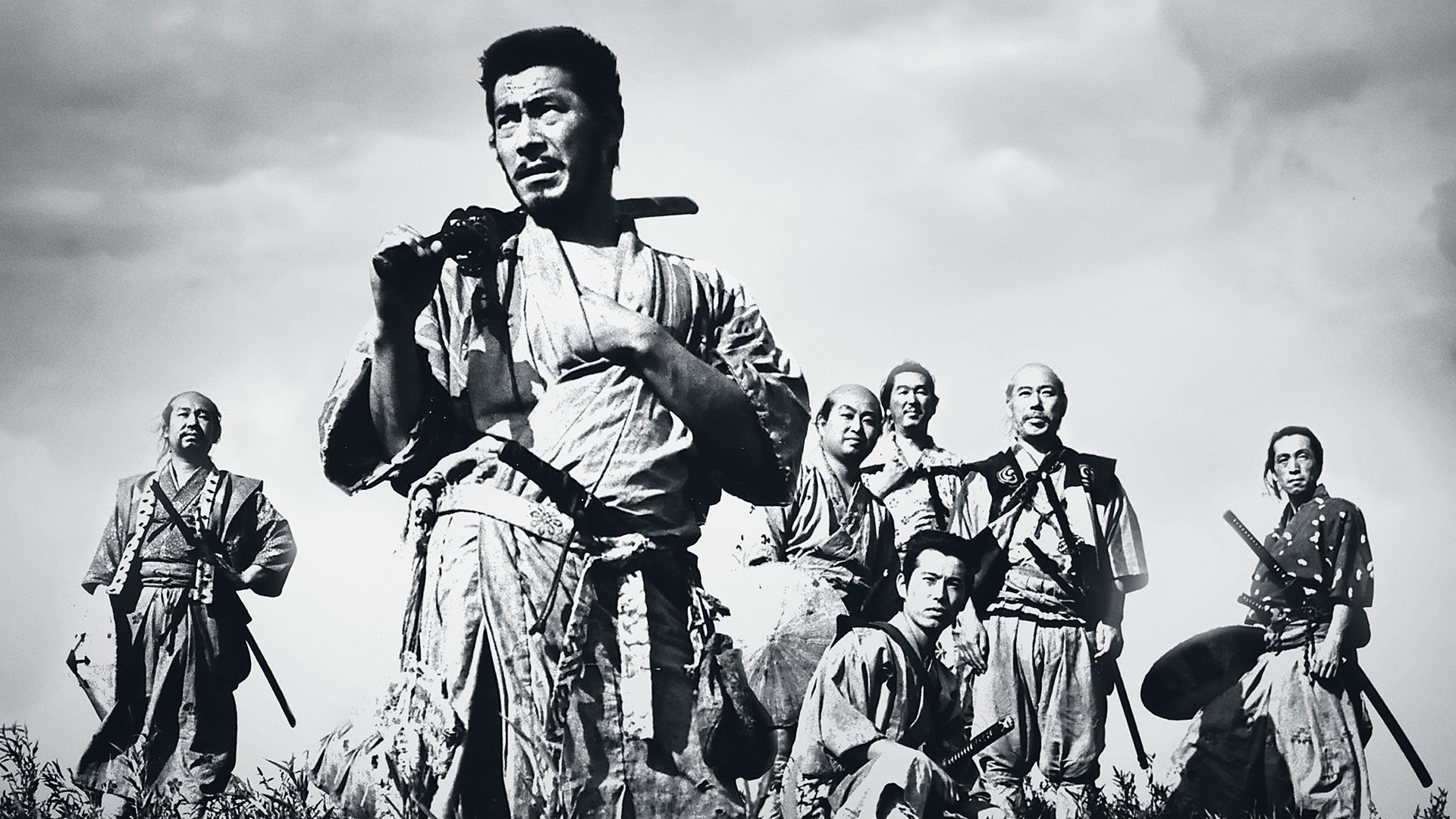

Seven Samurai (1954)
⭐ IMDb Rating: 8.6
🎭 Genre: Action, Drama
⏱ Runtime: 207 min
🎬 Director: Akira Kurosawa
📅 Released: 19 Nov 1956
🌍 Country: Japan
Introduction
Step into the annals of cinematic history and discover a film that redefined the epic genre: Akira Kurosawa’s monumental 1954 masterpiece, "Seven Samurai." More than just a movie, it's a foundational text in filmmaking, a towering achievement that continues to captivate audiences and inspire creators worldwide, nearly seven decades after its release. Often lauded as one of the greatest films ever made, "Seven Samurai" transcends cultural boundaries with its universal themes of heroism, duty, and survival. This groundbreaking work from the legendary Japanese director set new standards for storytelling, character development, and action choreography. If you're looking to explore the roots of modern action cinema or simply experience a truly profound human drama, prepare to be swept away by an unparalleled cinematic journey. Join us as we delve into the enduring legacy and timeless brilliance of this unforgettable classic.
Story
At its heart, "Seven Samurai" tells a compelling tale of desperation, courage, and an unlikely alliance. The story unfolds in 16th-century Japan, a period ravaged by civil war and banditry. A poor farming village, constantly plundered by marauding bandits, reaches its breaking point. Faced with starvation and annihilation, the villagers decide on a radical, seemingly impossible plan: to hire samurai to protect them. However, they possess little more than rice as payment, making the task of finding noble warriors willing to fight for such meager compensation incredibly difficult. The narrative expertly builds tension as the villagers, led by a wise elder, embark on their quest, eventually recruiting a diverse group of seven masterless samurai. Each warrior brings their unique skills, philosophies, and flaws to the table, culminating in a poignant and gripping struggle for survival against overwhelming odds. It's a testament to the human spirit under immense pressure, exploring themes of class, sacrifice, and the true cost of protection.
Main Cast

Toshirō Mifune
Kikuchiyo

Takashi Shimura
Kambei Shimada

Yoshio Inaba
Gorobei Katayama

Seiji Miyaguchi
Kyuzo

Minoru Chiaki
Heihachi Hayashida
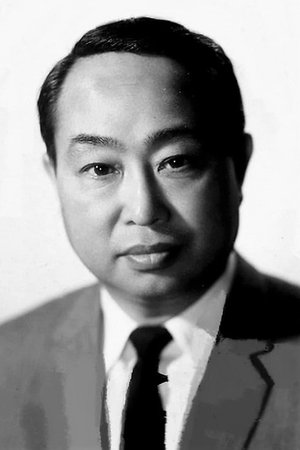
Daisuke Katō
Shichiroji

Isao Kimura
Katsushiro Okamoto

Keiko Tsushima
Shino
Movie Information
| IMDb Rating | 8.6 |
| Genre | Action, Drama |
| Runtime | 207 min |
| Director | Akira Kurosawa |
| Writer | Akira Kurosawa, Shinobu Hashimoto, Hideo Oguni |
| Actors | Toshirô Mifune, Takashi Shimura, Keiko Tsushima |
| Language | Japanese |
| Country | Japan |
| Awards | Nominated for 2 Oscars. 5 wins & 9 nominations total |
| Released | 19 Nov 1956 |
Cast Performance
The power of "Seven Samurai" is profoundly amplified by its unforgettable ensemble cast, delivering performances that have become benchmarks in cinema. Leading the charge is Takashi Shimura as Kambei, the wise and weary veteran samurai who anchors the group with his pragmatic leadership and deep sense of duty. His understated gravitas provides a compelling counterpoint to the more flamboyant and impulsive Kikuchiyo, played with explosive energy by Toshiro Mifune. Mifune's portrayal of Kikuchiyo, a farmer pretending to be a samurai, is a tour-de-force, a raw and dynamic performance that embodies the film's spirit of transformation and blurred social lines. The chemistry among the seven actors is palpable, with each samurai carving out a distinct personality and arc, making them feel like real individuals rather than mere archetypes. Their nuanced portrayals bring depth and humanity to the epic struggle, allowing audiences to connect emotionally with every triumph and tragedy faced by these guardians of the village.
Cinematography
Akira Kurosawa’s visionary direction shines brightly through the masterful cinematography of "Seven Samurai," a visual feast that remains breathtaking despite its black and white palette. Kurosawa, working closely with cinematographer Asakazu Nakai, employed revolutionary techniques that created an unparalleled sense of realism and grandeur. The use of multiple cameras for action sequences, pioneering for its time, allowed for dynamic and immersive battle scenes that feel visceral and immediate. Wide shots are utilized to perfection, not only to capture the sprawling landscapes and the sheer scale of the conflict but also to emphasize the isolation of the villagers and the impending doom. Close-ups are sparingly used, making their impact all the more profound when they reveal a character's intense emotion. The exquisite composition, dramatic lighting, and fluid camera movements contribute immensely to the film's narrative power, establishing mood and enhancing the character development through purely visual means. It's a masterclass in how visual storytelling can elevate a film to legendary status.
Soundtrack
The aural landscape of "Seven Samurai" is as intricately crafted and impactful as its visuals, thanks to the brilliant score by Fumio Hayasaka. Kurosawa’s frequent collaborator, Hayasaka, weaves a musical tapestry that perfectly complements the film's shifts in tone, from moments of quiet contemplation and pastoral beauty to scenes of intense, desperate combat. The main theme is instantly recognizable and powerfully evocative, conveying both the gravity of the samurai's mission and the simple resilience of the villagers. The score is not merely background noise; it's an active participant in the storytelling, building tension, underscoring emotional beats, and heralding the arrival of both hope and despair. The rhythmic drumming during the preparations for battle, the mournful flutes during moments of loss, and the triumphant fanfares all work in concert to immerse the audience deeper into the world of feudal Japan. Hayasaka's contribution is a timeless score that elevates the film’s epic scope and emotional resonance, proving that great cinema is an experience for all the senses.
Review
"Seven Samurai" is not merely a film; it is a cinematic landmark, widely considered by critics and filmmakers alike to be one of the most influential and important movies ever made. Its meticulous craftsmanship, groundbreaking narrative structure, and profound character development have left an indelible mark on global cinema. Kurosawa’s ability to blend intense action with deeply human drama, set against a backdrop of societal conflict, is nothing short of extraordinary. The film masterfully explores universal themes of sacrifice, leadership, morality, and the clash between different social classes, all without resorting to easy answers. Its influence can be seen in countless films across genres, from Westerns to sci-fi, demonstrating its unparalleled storytelling prowess. Watching "Seven Samurai" is an immersive experience that transcends its historical setting, offering a timeless reflection on human nature and the complexities of duty and survival. It remains a powerful testament to the enduring art of filmmaking and a must-see for anyone passionate about cinema.
Box Office
While precise box office figures for "Seven Samurai" from its initial 1954 Japanese release are challenging to quantify in modern terms, its commercial impact was undeniable and has only grown with time. The film was a significant commercial success in Japan, drawing large audiences and becoming one of the highest-grossing films of its year. Its initial run cemented Akira Kurosawa's reputation as a master director both domestically and internationally. More importantly, its enduring critical acclaim led to numerous re-releases worldwide over the decades, consistently bringing in new generations of viewers and substantial revenue. Its global success was a slow burn, fueled by critical accolades and its status as a canonical work. "Seven Samurai" didn't just make money; it built a legacy, proving that artistic integrity and groundbreaking storytelling could also achieve considerable financial returns and cultural influence on a global scale, far beyond its initial theatrical run.
Awards
"Seven Samurai" garnered significant international recognition upon its release, solidifying its place as a globally acclaimed masterpiece. The film won the Silver Lion at the 1954 Venice Film Festival, a prestigious award that brought Kurosawa and Japanese cinema to the forefront of the international stage. This early triumph at one of the world's most respected film festivals marked the beginning of its journey towards universal recognition. While the Academy Awards of that era were less inclined to recognize foreign-language films, "Seven Samurai" did receive two Oscar nominations: one for Best Art Direction-Set Decoration (Black-and-White) and another for Best Costume Design (Black-and-White) at the 29th Academy Awards, held in 1957. These nominations, though not wins, were a rare honor for a non-English language film at the time, underscoring its exceptional technical craftsmanship and widespread artistic admiration. Its true 'awards' often come in the form of consistently topping 'greatest films' lists by critics, directors, and film organizations worldwide.
Who Should Watch This Movie?
"Seven Samurai" is a monumental cinematic achievement that truly offers something for everyone, making it a timeless recommendation. If you're a film student or an aspiring filmmaker, watching this movie is essential to understand the fundamentals of storytelling, character development, and action choreography. History buffs and those interested in Japanese culture will find its depiction of feudal Japan, its social structures, and its warrior code utterly fascinating. Action film aficionados will discover the progenitor of many modern tropes, with battle sequences that still hold up for their intensity and tactical brilliance. Beyond genres, anyone who appreciates a deeply human story about courage, sacrifice, and the enduring spirit of survival will be moved by its powerful narrative. It’s a profound character study wrapped in an epic adventure, ensuring that its nearly three-and-a-half-hour runtime flies by. Prepare for a rich, immersive experience that will stay with you long after the credits roll.
Frequently Asked Questions
Is "Seven Samurai" based on a true story?
While "Seven Samurai" is not based on a specific true story, it is deeply rooted in the historical context of 16th-century feudal Japan, a period marked by civil war, roaming ronin (masterless samurai), and banditry. Akira Kurosawa meticulously researched the era's customs, warfare, and social dynamics to create a highly realistic and authentic portrayal, giving the fictional narrative a strong sense of historical credibility.
How long is "Seven Samurai" and is it worth the time commitment?
"Seven Samurai" has a runtime of approximately 207 minutes, or about 3 hours and 27 minutes. While it's a significant time commitment, critics and audiences overwhelmingly agree that every minute is essential and rewarding. The film's epic scope, detailed character development, and meticulously constructed narrative justify its length, delivering an immersive and unforgettable cinematic experience that truly earns its status as a masterpiece.
Why is "Seven Samurai" considered such an influential film?
"Seven Samurai" is considered influential for numerous reasons: it pioneered many action film conventions, including character archetypes, assembling a diverse team for a mission, and dynamic battle choreography. Its intricate plot structure, deep character development, and exploration of moral ambiguities set new standards for cinematic storytelling. Its impact can be seen across genres, inspiring countless films, most famously the Western "The Magnificent Seven," and shaping the global language of cinema.
Did "Seven Samurai" win any major awards?
Yes, "Seven Samurai" garnered significant international acclaim. It won the prestigious Silver Lion at the 1954 Venice Film Festival, propelling Akira Kurosawa and Japanese cinema onto the global stage. It also received two Academy Award nominations in 1957 for Best Art Direction-Set Decoration (Black-and-White) and Best Costume Design (Black-and-White), a rare honor for a non-English language film at that time, highlighting its exceptional technical and artistic merits.
What are the main themes explored in "Seven Samurai"?
"Seven Samurai" explores a rich tapestry of universal themes. Key among them are duty and sacrifice, as the samurai commit to protecting the villagers despite meager pay and great personal risk. It delves into class struggle and social hierarchy, highlighting the disparity between the samurai and the farmers. Themes of honor, leadership, the nature of heroism, and the cycle of violence are also prominently featured, offering a profound commentary on the human condition and societal dynamics.
Official Trailer
You May Also Like
A Fighting Chance
2016
⭐ 0.5
Hideko the Bus Conductor
1941
⭐ 7.3

Tulip Fever
2017
⭐ 6.5

Two Irenes
2017
⭐ 6.8

Kill Bill: Vol. 1
2003
⭐ 8.0

Apocalypse Now
1979
⭐ 8.3
Related Movies
Conclusion
In the vast cosmos of cinema, Akira Kurosawa's "Seven Samurai" shines as a perpetual star, an enduring beacon of artistic excellence and narrative power. Its influence is immeasurable, its themes universal, and its impact on filmmaking profound. From its meticulously crafted story of desperate villagers and their noble protectors to the unforgettable performances, breathtaking cinematography, and stirring score, every element coalesces to create an unparalleled viewing experience. More than half a century after its debut, the film continues to resonate, reminding us of the timeless human struggle for survival, honor, and community. If you haven't yet embarked on this epic journey, now is the perfect time to discover why "Seven Samurai" is not just a classic, but a defining moment in cinematic history. Prepare to witness a masterpiece that will enrich your understanding of film and the human condition.
To get more information check TMDB.