Amadeus (1984) Movie Guide | Cast, Story, Review, Ending Explained & Where to Watch


Amadeus (1984)
⭐ IMDb Rating: 8.4
🎭 Genre: Biography, Drama, Music
⏱ Runtime: 160 min
🎬 Director: Milos Forman
📅 Released: 19 Sep 1984
🌍 Country: United States, France
Introduction
Milos Forman's 1984 cinematic triumph, "Amadeus," stands as a monumental achievement in film history, captivating audiences with its lavish portrayal of 18th-century Vienna and the tumultuous life of musical genius Wolfgang Amadeus Mozart. This period drama delves into the intoxicating mix of art, ambition, and intense jealousy that defined an era. The film offers a compelling narrative, exploring the profound impact of extraordinary talent on those around it.
"Amadeus" transcends typical biographical storytelling, presenting a deeply human drama through the eyes of Antonio Salieri, a composer consumed by envy. It skillfully examines themes of divine gift versus diligent effort, and the sometimes-stifling nature of unacknowledged brilliance. The movie has rightfully earned its place as a classic, lauded for its stunning visuals, powerful performances, and, of course, its unforgettable soundtrack.
Story
The core narrative of "Amadeus" unfolds primarily through the retrospective eyes of an elderly Antonio Salieri, who recounts his complex relationship with the young Wolfgang Amadeus Mozart to a priest. Salieri, once a celebrated court composer, finds his devout faith and musical aspirations challenged by Mozart's seemingly effortless genius. This dramatic structure allows for a deeply personal and psychologically rich exploration of envy and admiration.
The film masterfully illustrates Salieri's internal conflict as he witnesses Mozart's prodigious talent, which he believes to be a direct affront from God. This internal struggle fuels a clandestine campaign of sabotage, even as Salieri remains utterly captivated by Mozart's unparalleled compositions. The story is a poignant examination of what it means to recognize true genius while simultaneously being tortured by its existence, making for an unforgettable character study of ambition and despair.
Main Cast

F. Murray Abraham
Antonio Salieri

Tom Hulce
Wolfgang Amadeus Mozart

Elizabeth Berridge
Constanze Mozart

Simon Callow
Emanuel Schikaneder

Roy Dotrice
Leopold Mozart

Christine Ebersole
Katerina Cavalieri

Jeffrey Jones
Emperor Joseph II

Charles Kay
Count Orsini-Rosenberg
Movie Information
| IMDb Rating | 8.4 |
| Genre | Biography, Drama, Music |
| Runtime | 160 min |
| Director | Milos Forman |
| Writer | Peter Shaffer, Zdenek Mahler |
| Actors | F. Murray Abraham, Tom Hulce, Elizabeth Berridge |
| Language | English, Italian, Latin, German, French |
| Country | United States, France |
| Awards | Won 8 Oscars. 43 wins & 15 nominations total |
| Released | 19 Sep 1984 |
Cast Performance
The central performances in "Amadeus" are nothing short of legendary, particularly the tour-de-force portrayals by F. Murray Abraham as Antonio Salieri and Tom Hulce as Wolfgang Amadeus Mozart. Abraham delivers a mesmerizing performance, capturing Salieri's intricate blend of reverence, bitterness, and cunning with remarkable depth. His nuanced portrayal earned him widespread acclaim and an Academy Award for Best Actor.
Tom Hulce embodies Mozart with an infectious, almost childlike exuberance, brilliantly conveying the composer's irreverent personality and sheer, unbridled musical passion. His portrayal creates a vivid contrast to Salieri's austere demeanor, highlighting the chaotic beauty of Mozart's genius. Together, these two actors craft a dynamic and unforgettable on-screen rivalry, elevating the film's dramatic intensity and solidifying their place in cinematic history.
Cinematography
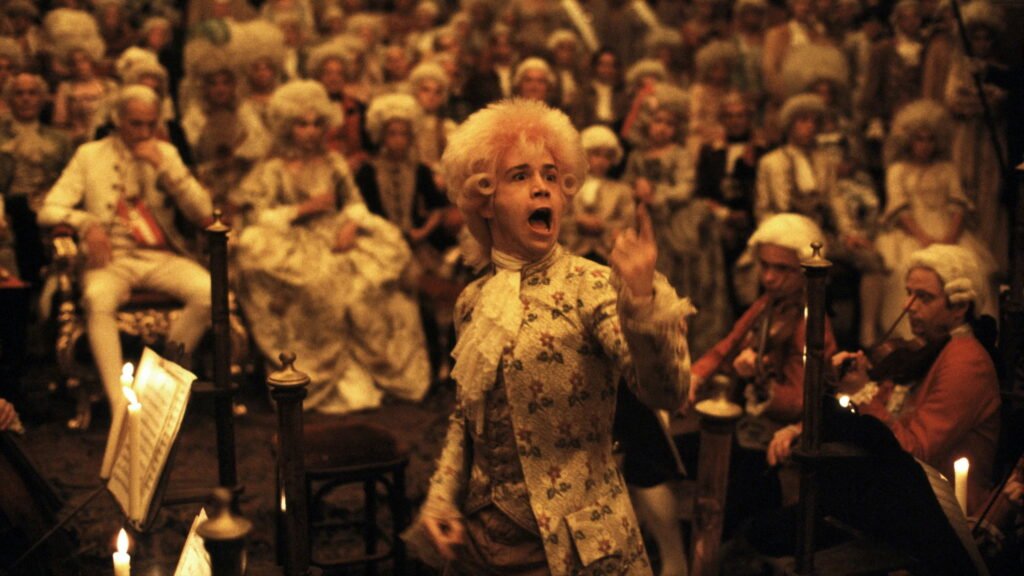
The visual grandeur of "Amadeus" is a significant element of its enduring appeal, with Miroslav Ondříček's cinematography painting a vivid portrait of 18th-century Europe. Every frame is meticulously composed, showcasing the opulent costumes and breathtaking period sets that transport viewers directly into the heart of Vienna's imperial court. The film's aesthetic is rich and immersive, perfectly complementing its dramatic narrative.
Ondříček's camera work beautifully captures the contrast between the rigid formality of the court and the spirited, often chaotic world of Mozart. The use of light and shadow, particularly in scenes with Salieri, adds a profound sense of psychological depth to his character. This masterful cinematography contributes significantly to the film's status as a visually stunning period masterpiece.
Soundtrack
It's impossible to discuss "Amadeus" without revering its magnificent soundtrack, which is, in essence, a character unto itself. The film is a glorious celebration of Wolfgang Amadeus Mozart's original compositions, flawlessly integrated into the narrative to underscore every emotional beat and plot twist. The music isn't merely background; it is the very soul of the movie.
From the delicate strains of a sonata to the powerful crescendos of an opera, each piece chosen perfectly illustrates Mozart's genius and the profound impact it has on Salieri. The soundtrack serves as a constant reminder of the unparalleled beauty and complexity of classical music, enhancing the film's dramatic power and leaving an indelible impression on the audience long after the credits roll. This brilliant integration makes "Amadeus" a true auditory feast.
Review
"Amadeus" remains an indisputable cinematic masterpiece, lauded by critics and audiences alike for its audacious storytelling and exceptional artistic merit. Director Milos Forman crafts a visually stunning and emotionally resonant film that explores the profound impact of genius and the devastating nature of envy. Its unconventional biographical approach, told from the perspective of an antagonist, provides a fresh and compelling narrative.
The film's lasting impact stems from its ability to blend historical grandeur with deeply personal human drama, making it accessible and engaging even for those new to classical music or period pieces. With its superb acting, incredible visuals, and breathtaking score, "Amadeus" is a timeless classic that continues to captivate and inspire. It is a powerful reminder of the enduring power of art and the complex emotions it evokes.
Box Office
Upon its release in 1984, "Amadeus" proved to be a critical darling and a significant commercial success, defying expectations for a historical drama rooted in classical music. The film garnered considerable attention for its artistic ambition and lavish production, quickly drawing in a wide audience. Its strong word-of-mouth and widespread critical acclaim undoubtedly contributed to its impressive performance.
"Amadeus" resonated deeply with viewers, who were captivated by its engaging narrative and spectacular presentation, turning it into a global box office hit. This commercial triumph showcased that quality filmmaking, even in a niche genre, could achieve widespread popularity and financial success. Its solid box office results further cemented its status as a landmark film of the decade.
Awards
"Amadeus" swept the 57th Academy Awards, earning an astounding eight Oscars, including the coveted Best Picture award. Milos Forman was recognized for his masterful direction, receiving the award for Best Director, a testament to his vision and skill. F. Murray Abraham's transformative performance as Salieri also earned him the Oscar for Best Actor.
Beyond these major categories, the film was also honored for its impeccable artistry, securing awards for Best Adapted Screenplay, Best Art Direction, Best Costume Design, Best Sound, and Best Makeup. Its impressive haul of accolades firmly established "Amadeus" as one of the most celebrated films in cinematic history. The film also received numerous other prestigious awards and nominations worldwide, solidifying its place as a critical darling.
Who Should Watch This Movie?
Anyone with an appreciation for historical dramas, profound character studies, or the sheer power of classical music should absolutely watch "Amadeus." This film offers a unique blend of grand spectacle and intimate psychological conflict, making it appealing to a broad audience. It's a must-see for those fascinated by the lives of iconic figures and the complex dynamics between artists.
Furthermore, "Amadeus" is highly recommended for film enthusiasts who admire exceptional cinematography, elaborate costume design, and truly transformative acting performances. It's an inspiring watch for musicians and artists, exploring the joy and torment of creation. Essentially, if you seek a richly layered, emotionally resonant, and visually stunning cinematic experience, "Amadeus" awaits.
Frequently Asked Questions
Is 'Amadeus' based entirely on historical facts?
While 'Amadeus' is set against historical events and features real historical figures like Mozart and Salieri, it takes dramatic liberties for narrative purposes. The intense rivalry portrayed between the two composers is largely a fictionalized dramatization rather than a strict historical account, though it captures broader truths about artistic genius.
Who directed the critically acclaimed film 'Amadeus'?
The acclaimed film 'Amadeus' was directed by the masterful Milos Forman. His visionary direction earned him an Academy Award for Best Director, praised for his ability to craft a visually stunning and emotionally resonant historical epic.
What makes the soundtrack of 'Amadeus' so special?
The soundtrack of 'Amadeus' is special because it primarily features the original compositions of Wolfgang Amadeus Mozart himself, performed by the Academy of St. Martin in the Fields. The music is not just background; it is intricately woven into the narrative, serving as a powerful emotional and plot device.
Did F. Murray Abraham and Tom Hulce play their own instruments in the film?
While F. Murray Abraham and Tom Hulce underwent extensive training to convincingly portray musicians, their instrumental performances were primarily mimed. The actual music was performed by professional classical musicians, ensuring the highest level of musical authenticity in the film.
What is the central theme explored in 'Amadeus'?
The central theme of 'Amadeus' revolves around the nature of genius, divine inspiration, and the destructive power of envy and mediocrity. It explores the psychological torment of recognizing unparalleled talent in another, while grappling with one's own perceived limitations and unfulfilled ambitions.
Official Trailer
You May Also Like

Gone Baby Gone
2007
⭐ 7.3
Cassandra's Dream
2007
⭐ 6.3

Blood Brothers
1974
⭐ 6.2

Killer
1972
⭐ 5.1

Final Analysis
1992
⭐ 5.8

Layer Cake
2004
⭐ 6.9
Related Movies
<>
Conclusion
"Amadeus" endures as an unparalleled cinematic achievement, a testament to the power of brilliant storytelling, exceptional performances, and an iconic musical legacy. Milos Forman’s vision brought to life a world of genius, envy, and devotion, securing the film's place as a timeless classic. Its exploration of artistry, human frailty, and the pursuit of greatness continues to resonate with viewers worldwide.
This film is more than just a historical drama; it's a profound experience that celebrates the enduring beauty of Mozart's music while delving into the depths of human emotion. "Amadeus" remains a stunning piece of filmmaking that deserves to be seen and appreciated for generations to come. It’s a compelling journey into the heart of an artistic rivalry. Learn more about Amadeus on Official TMDb Page