
City of God (2004) Movie Guide | Cast, Story, Review, Ending Explained & Where to Watch
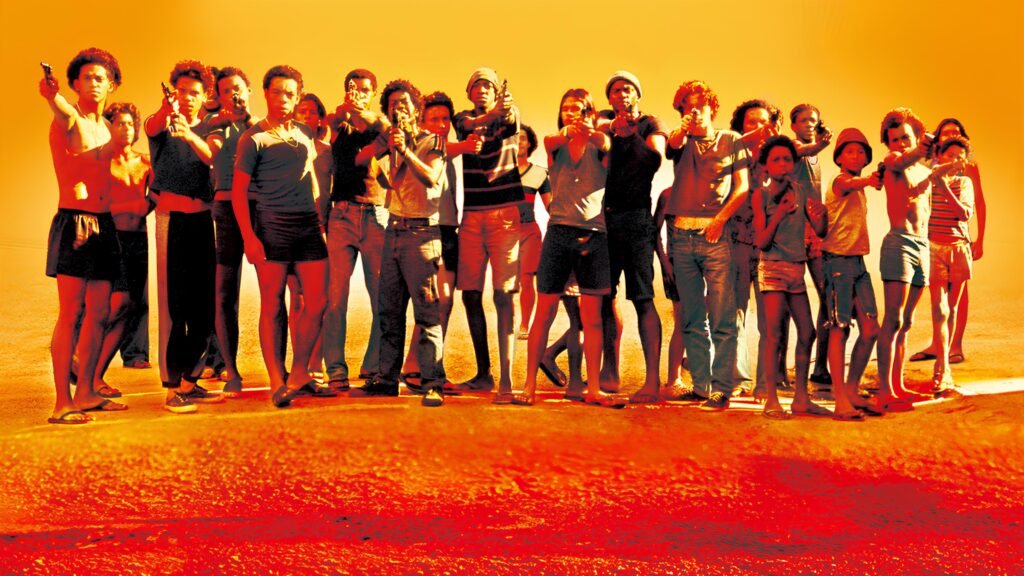
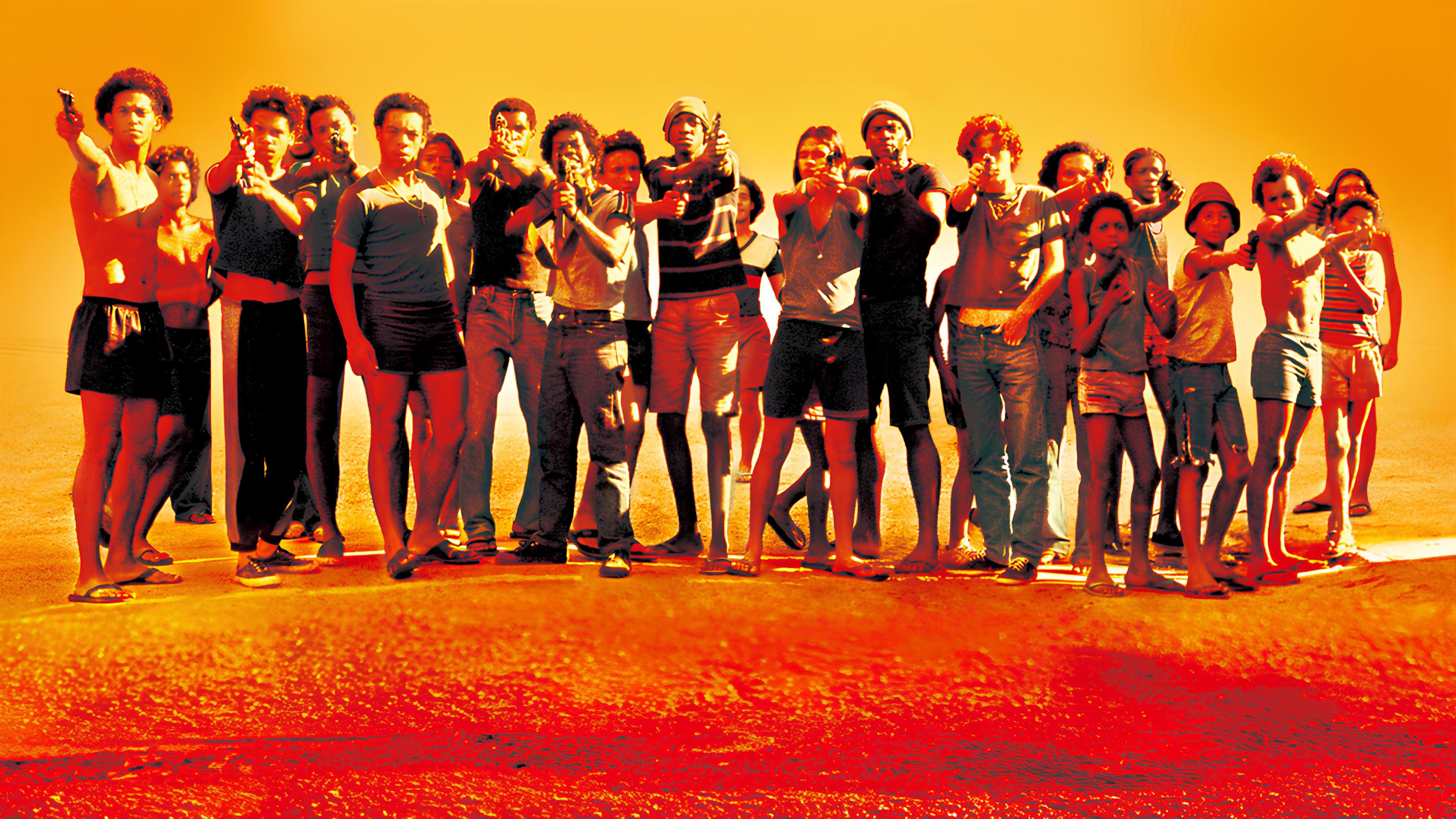

City of God (2004)
⭐ IMDb Rating: 8.6
🎭 Genre: Crime, Drama
⏱ Runtime: 130 min
🎬 Director: Kátia Lund, Fernando Meirelles
📅 Released: 13 Feb 2004
🌍 Country: Brazil
Introduction
Stepping into the vibrant, tumultuous world of Rio de Janeiro’s favelas, "City of God" (2004) isn't just a movie; it's an immersive, electrifying cinematic experience that redefined crime dramas. Directed by Fernando Meirelles and Kátia Lund, this Brazilian masterpiece burst onto the international scene, captivating audiences and critics alike with its raw energy, compelling narrative, and unforgettable characters. More than just a story of violence, the film offers a profound exploration of ambition, survival, and the cycle of poverty, all set against the breathtaking yet perilous backdrop of the Cidade de Deus housing project. Released in the US in 2004 after its initial 2002 Brazilian debut, "City of God" quickly established itself as a landmark film, earning widespread acclaim for its gritty realism, innovative storytelling, and powerful emotional resonance. It's a film that stays with you long after the credits roll, cementing its place as a modern classic and a testament to the power of global cinema.
Story
The narrative heart of "City of God" beats with the rhythm of life and death in a community forgotten by the state. Spanning decades from the 1960s to the 1980s, the film intricately weaves together the fates of multiple characters, primarily through the eyes of Rocket, a young man who dreams of becoming a photographer rather than succumbing to the life of crime that surrounds him. It's a coming-of-age story unlike any other, chronicling the evolution of a neighborhood and its inhabitants, where childhood innocence gives way to harsh realities. Without delving into specific plot spoilers, the film expertly portrays the escalating violence and the complex dynamics of power, friendship, and betrayal within the favela. It’s a compelling study of choice and circumstance, showcasing how individuals navigate an environment where options are limited, and survival often hinges on impossible decisions. This intricate tapestry of lives offers a powerful commentary on social structures and the human spirit's resilience.
Main Cast

Alexandre Rodrigues
Buscapé - Rocket

Leandro Firmino
Zé Pequeno - Li'l Zé

Phellipe Haagensen
Bené - Benny

Douglas Silva
Dadinho - Li'l Dice

Jonathan Haagensen
Cabeleira - Shaggy

Matheus Nachtergaele
Sandro Cenoura - Carrot

Seu Jorge
Mané Galinha - Knockout Ned

Jefechander Suplino
Alicate - Clipper
Movie Information
| IMDb Rating | 8.6 |
| Genre | Crime, Drama |
| Runtime | 130 min |
| Director | Kátia Lund, Fernando Meirelles |
| Writer | Bráulio Mantovani, Paulo Lins |
| Actors | Alexandre Rodrigues, Leandro Firmino, Matheus Nachtergaele |
| Language | Portuguese |
| Country | Brazil |
| Awards | Nominated for 4 Oscars. 76 wins & 50 nominations total |
| Released | 13 Feb 2004 |
Cast Performance
One of the most remarkable aspects of "City of God" is the extraordinary cast, many of whom were non-professional actors drawn from the very favelas depicted in the film. This deliberate choice by the directors infuses the movie with an unparalleled authenticity and raw energy that seasoned actors might struggle to replicate. Leandro Firmino as Lil' Zé delivers a truly chilling and unforgettable performance, embodying the terrifying charisma of a burgeoning gangster with unsettling conviction. Meanwhile, Alexandre Rodrigues, portraying the aspiring photographer Rocket, offers a nuanced and empathetic anchor to the story, allowing the audience to witness the unfolding chaos through a more hopeful, yet often scared, lens. The ensemble cast, including Phellipe Haagensen as Benny and Alice Braga in her breakout role as Angélica, contributes to the film's gritty realism, making their struggles and triumphs feel profoundly genuine. Their collective synergy is a powerful testament to the talent discovered within the community, elevating the film beyond mere dramatization.
Cinematography
"City of God" is a masterclass in dynamic and immersive cinematography, transporting viewers directly into the heart of Rio's favelas. Cinematographer César Charlone's work is characterized by its vibrant, often frenetic style, utilizing handheld cameras to create an urgent, almost documentary-like feel. This approach makes the audience feel less like observers and more like participants in the unfolding drama. The film's visual language is a stark contrast of beauty and brutality; sun-drenched landscapes and colorful street scenes are juxtaposed with moments of shocking violence, all captured with an unflinching gaze. The quick cuts and rapid pacing during intense sequences heighten the sense of chaos and danger, while more reflective moments are allowed to breathe, showcasing the humanity amidst the turmoil. This innovative visual storytelling not only garnered critical praise but also set new benchmarks for how to portray complex social narratives on screen, making the "City of God" a visually unforgettable experience.
Soundtrack
The pulse of "City of God" is undeniably amplified by its unforgettable soundtrack, which plays a crucial role in establishing the film's authentic Brazilian atmosphere. Featuring an eclectic mix of samba, funk, bossa nova, and local hip-hop, the music serves as much more than background noise; it's a character in itself, reflecting the changing eras and moods of the favela. Iconic tracks seamlessly blend with original compositions, creating a vibrant sonic landscape that oscillates between celebration and despair. The rhythmic beats and soulful melodies draw the audience deeper into the cultural tapestry of Rio, from the joyous street parties to the tense standoffs. Directors Fernando Meirelles and Kátia Lund masterfully use music to underscore pivotal moments, enhance character emotions, and mark the passage of time, making the soundtrack an indispensable element of the film's overall impact. Its unique blend of sounds ensures that the "City of God" resonates not just visually and narratively, but acoustically as well.
Review
Hailed as a groundbreaking achievement in modern cinema, "City of God" holds an esteemed place among critics and audiences worldwide. Upon its international release, it was lauded for its unflinching portrayal of life in the favelas, its innovative narrative structure, and its visceral energy. Many critics praised its ability to blend brutal realism with a powerful human story, offering a multi-layered perspective on cycles of violence and the pursuit of dreams. The film's unique directorial style, characterized by its kinetic editing and vibrant cinematography, was frequently highlighted as a revolutionary approach to storytelling. "City of God" garnered universal acclaim, often appearing on lists of the greatest films of the 21st century and solidifying its reputation as a must-watch for anyone interested in global cinema. Its impact extends beyond mere entertainment, serving as a significant cultural artifact that continues to spark discussion and inspire filmmakers globally, truly a powerhouse of raw emotion and artistic vision.
Box Office
Initially released in Brazil in 2002 under its original title "Cidade de Deus," the film’s journey to international box office success was a remarkable one for a foreign-language feature. While specific early Brazilian box office figures are somewhat less publicized, its critical acclaim quickly propelled it onto the global stage. Upon its U.S. release in early 2004, "City of God" earned a respectable $7.5 million domestically. More significantly, its worldwide gross accumulated over $30 million against a modest budget of approximately $3.3 million. This performance was particularly impressive given its non-English language status and gritty subject matter. Its strong showing demonstrated the increasing appetite of international audiences for diverse cinematic voices and high-quality storytelling, proving that powerful narratives transcend language barriers. The financial success further solidified its cultural impact, enabling wider distribution and cementing its place in popular culture as a commercial and critical triumph.
Awards
"City of God" received widespread critical acclaim and a slew of prestigious awards and nominations, cementing its status as a global cinematic powerhouse. Most notably, the film earned four Academy Award nominations in 2004: Best Director for Fernando Meirelles, Best Adapted Screenplay, Best Cinematography, and Best Film Editing. While it didn't take home any Oscars, these nominations for a non-English language film were a significant achievement and underscored its profound impact on Hollywood. Beyond the Academy Awards, "City of God" garnered numerous accolades from film festivals and critics' associations worldwide. It was nominated for a Golden Globe Award for Best Foreign Language Film and received several British Academy Film Award (BAFTA) nominations, winning for Best Editing. Its recognition across various categories, particularly for its technical brilliance and directorial vision, affirmed its groundbreaking artistic merit and enduring legacy in film history.
Who Should Watch This Movie?
If you're seeking a film that challenges, enthralls, and leaves a lasting impression, "City of God" is an essential watch. This movie is highly recommended for viewers who appreciate gritty, realistic crime dramas and powerful coming-of-age narratives. Fans of international cinema, especially those interested in exploring different cultural perspectives and social commentaries, will find its portrayal of Brazilian favela life both eye-opening and deeply moving. It's also a must-see for aspiring filmmakers and film students, offering a masterclass in dynamic cinematography, innovative editing, and authentic character development. However, be aware that the film contains strong violence, mature themes, and drug use, reflecting the harsh realities of its setting. Viewers who prefer lighter fare or are sensitive to intense depictions of conflict should exercise caution. Ultimately, for those ready to immerse themselves in a visceral, thought-provoking, and emotionally charged story, "City of God" promises an unforgettable cinematic journey.
Frequently Asked Questions
Is "City of God" based on a true story?
Yes, "City of God" is based on a real-life story. It draws inspiration from the 1997 semi-autobiographical novel by Paulo Lins, a former resident of the Cidade de Deus favela in Rio de Janeiro. Lins spent eight years researching and writing the book, which vividly chronicles the evolution of crime and violence within the community over several decades, incorporating elements of real events and characters he encountered.
What genre is "City of God"?
"City of God" primarily falls into the crime drama genre, but it also incorporates elements of a coming-of-age story and social realism. It’s often described as a gritty, hyper-realistic depiction of life in a Brazilian favela, focusing on themes of ambition, survival, poverty, and the cycle of violence through the experiences of its young characters.
Is "City of God" suitable for all ages?
No, "City of God" is not suitable for all ages. It is rated R (or equivalent in other countries) due to its strong depictions of violence, drug use, sexual content, and mature themes. The film portrays the harsh realities of life in the favelas unflinchingly, which can be disturbing for younger or sensitive viewers.
What language is spoken in "City of God"?
The primary language spoken in "City of God" is Brazilian Portuguese. As a Brazilian film, it authentically reflects the language and dialects of its setting in Rio de Janeiro. Viewers outside of Portuguese-speaking regions typically watch the film with subtitles.
Why is "City of God" considered a classic?
"City of God" is considered a classic due to its groundbreaking cinematography, raw and authentic performances (many from non-professional actors), innovative narrative structure, and its unflinching yet humanistic portrayal of a complex social reality. Its ability to combine a powerful, engaging story with significant artistic merit has earned it universal critical acclaim and a lasting legacy as one of the most impactful films of its era.
Official Trailer
You May Also Like

Lonely Heart
1985
⭐ 7.1

In the Name of the Law
1952
⭐ 6.1

What She Likes
2022
⭐ 6.5

Hoard
2024
⭐ 6.9

Cocaine Bear
2023
⭐ 6.0

Seabiscuit
2003
⭐ 7.1
Related Movies
Conclusion
In the annals of world cinema, "City of God" stands as a towering achievement, a film that transcends its genre to deliver a powerful, unforgettable human story. From its breathtaking cinematography and authentic performances to its pulsating soundtrack and innovative narrative, every element coalesces to create an experience that is both harrowing and deeply profound. More than just a tale of crime and survival, it’s a vibrant, often tragic, exploration of dreams, destiny, and the relentless human spirit against overwhelming odds. This Brazilian masterpiece not only garnered international critical acclaim and numerous awards but also left an indelible mark on filmmaking, proving the universal appeal of stories told with truth, courage, and artistic brilliance. For anyone looking to witness the transformative power of cinema, "City of God" remains an essential, must-see experience, a true jewel in the crown of global film.
Check TMDB for official information.