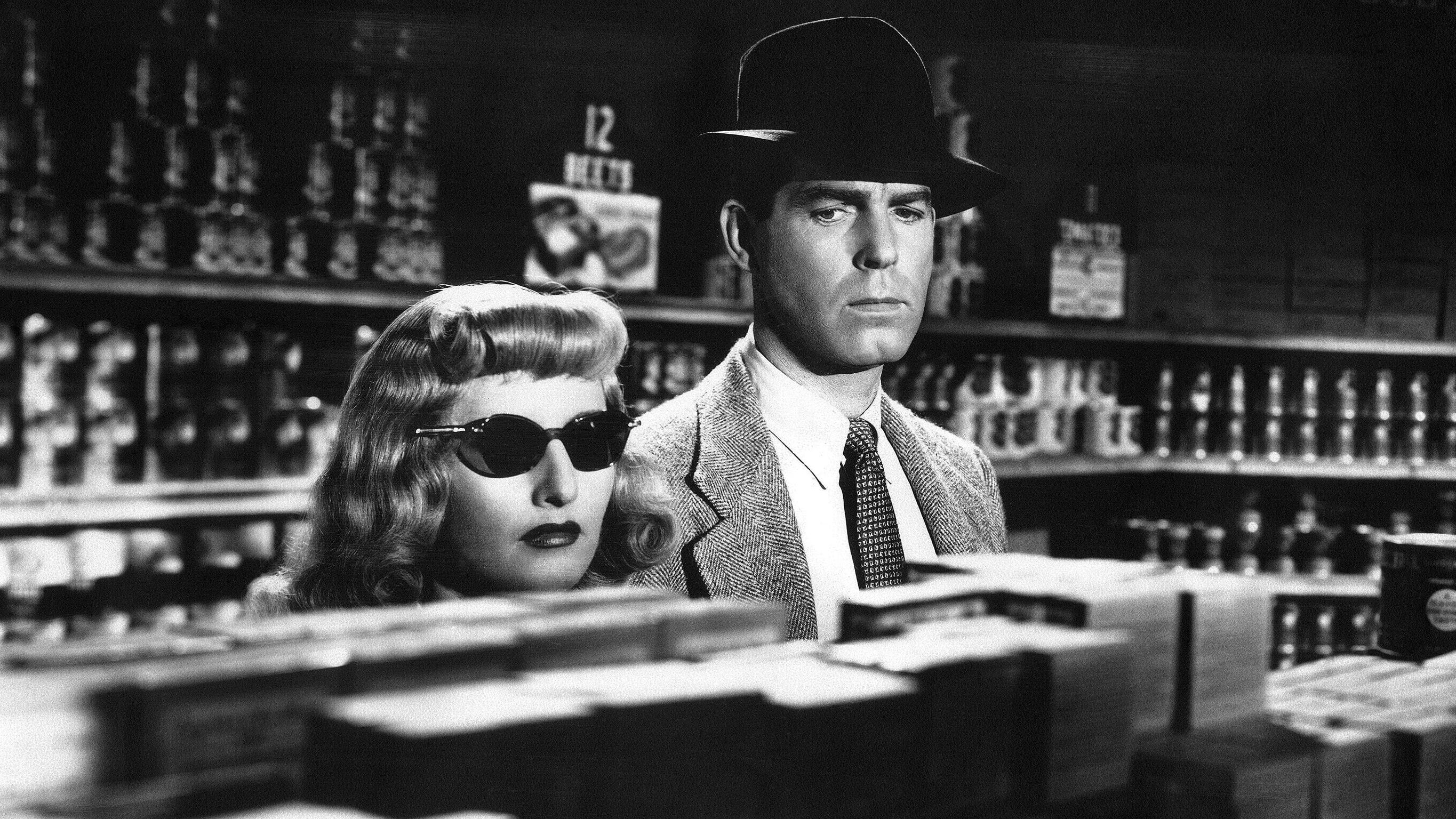

Double Indemnity (1944)
⭐ IMDb Rating: 8.3
🎭 Genre: Crime, Drama, Film-Noir
⏱ Runtime: 107 min
🎬 Director: Billy Wilder
📅 Released: 06 Jul 1944
🌍 Country: United States
Introduction
Stepping into the shadowy world of classic Hollywood cinema, one film consistently emerges as a definitive masterpiece: Billy Wilder's 1944 crime drama, "Double Indemnity." This iconic picture didn't just define the burgeoning film noir genre; it perfected it, setting a standard for cynical narratives and moral ambiguity that resonates even today.
From its sharp dialogue to its groundbreaking visual style, "Double Indemnity" is more than just a movie; it's a cultural touchstone. It captures the dark underbelly of human desire and the consequences of ill-fated schemes with an unflinching gaze. The film cemented its place as a cornerstone of American cinema, influencing countless thrillers and crime stories in its wake.
Its enduring appeal lies in its sophisticated script, compelling performances, and a suffocating atmosphere of dread. For those seeking to understand the origins of the modern psychological thriller, or simply to immerse themselves in a gripping tale of temptation, "Double Indemnity" remains an essential viewing experience. It truly stands the test of time as a gripping, unforgettable cinematic journey.
Story
At its heart, "Double Indemnity" masterfully crafts a narrative about an insurance salesman, Walter Neff, who finds himself entangled in a web of deceit. His encounter with a manipulative client, Phyllis Dietrichson, sets off a chain of events driven by greed and illicit desire. The story unfolds as a confessional, drawing the audience into Neff's increasingly desperate situation.
The film expertly explores themes of temptation and the dark side of human nature, making the audience privy to a meticulously planned but morally bankrupt scheme. It’s a compelling tale of how seemingly ordinary individuals can be led astray by powerful desires, with dire consequences. The narrative’s tight pacing and intricate plotting keep viewers on the edge of their seats, wondering about the inevitable outcome.
Without revealing specific plot points, the story delves deep into the psychological toll of guilt and suspicion. It’s a quintessential film noir plot, where fate and manipulation converge, challenging the characters’ moral compasses. The film’s strength lies in its ability to build suspense and dread through character interaction and internal conflict, rather than relying on overt action.
Main Cast

Fred MacMurray
Walter Neff

Barbara Stanwyck
Phyllis Dietrichson

Edward G. Robinson
Barton Keyes

Porter Hall
Mr. Jackson

Jean Heather
Lola Dietrichson

Tom Powers
Mr. Dietrichson

Byron Barr
Nino Zachetti

Richard Gaines
Edward S. Norton Jr.
Movie Information
| IMDb Rating | 8.3 |
| Genre | Crime, Drama, Film-Noir |
| Runtime | 107 min |
| Director | Billy Wilder |
| Writer | Billy Wilder, Raymond Chandler, James M. Cain |
| Actors | Fred MacMurray, Barbara Stanwyck, Edward G. Robinson |
| Language | English |
| Country | United States |
| Awards | Nominated for 7 Oscars. 5 wins & 9 nominations total |
| Released | 06 Jul 1944 |
Cast Performance
The casting in "Double Indemnity" is nothing short of brilliant, featuring transformative performances that solidified the film's legendary status. Fred MacMurray, typically known for his amiable roles, delivers a career-defining performance as Walter Neff, portraying a man seduced by temptation with chilling believability.
Barbara Stanwyck is utterly captivating as Phyllis Dietrichson, crafting the quintessential femme fatale with a mesmerizing blend of vulnerability and icy manipulation. Her portrayal is iconic, embodying the seductive danger central to the film noir genre. Stanwyck commands every scene she's in, making Phyllis one of cinema's most memorable villains.
Adding another layer of brilliance is Edward G. Robinson as Barton Keyes, the astute insurance claims adjuster. Robinson brings gravitas and a relentless moral compass to his role, acting as the perfect foil to Neff’s escalating crimes. His performance anchors the film, providing a sense of justice slowly but surely closing in. The chemistry and tension among these three leads are palpable, driving the narrative with incredible force.
Cinematography
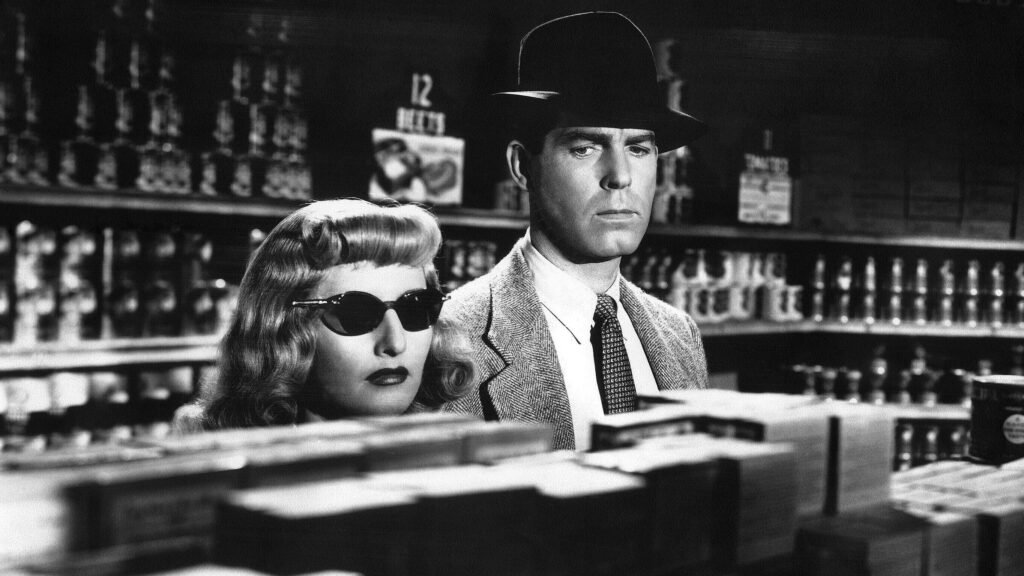
John F. Seitz's cinematography in "Double Indemnity" is a masterclass in visual storytelling, fundamentally shaping the film noir aesthetic. His expert use of deep shadows, sharp contrasts, and low-key lighting creates an atmosphere of cynicism and impending doom. The visual style is as much a character as the actors themselves, immersing viewers in a world of moral ambiguity.
The iconic Venetian blinds casting stark patterns across characters' faces and sets became a signature motif of film noir, perfectly illustrating entrapment and hidden motives. Seitz’s camera work is always precise, framing shots to emphasize psychological states and narrative tension. Every frame feels meticulously composed to evoke a sense of unease.
The black and white photography isn't merely a stylistic choice; it's essential to the film's mood, stripping away distractions to focus on the stark realities of the characters' moral dilemmas. The claustrophobic interiors and rain-slicked streets of Los Angeles are rendered with an oppressive beauty, making the urban landscape a silent accomplice to the unfolding tragedy. This visual language is crucial to the film's lasting impact.
Soundtrack
The unforgettable score for "Double Indemnity," composed by Miklós Rózsa, is an integral component of its enduring power. Rózsa’s music masterfully underscores the film's pervasive sense of dread and suspense, making it one of the most celebrated scores in film history. His compositions expertly heighten the tension, drawing the audience deeper into the characters' desperate plight.
The main theme, with its ominous, recurring motif, immediately signals danger and impending doom, becoming synonymous with the film’s dark narrative. Rózsa uses a dynamic range of orchestral textures to reflect the characters' inner turmoil and the escalating stakes of their scheme. The music never overpowers; instead, it subtly guides the emotional landscape of each scene.
His innovative approach to film scoring helped define the sound of film noir, utilizing sharp stabs of brass and unsettling strings to create a truly chilling atmosphere. The soundtrack is not just background noise; it’s a crucial narrative element, almost acting as a silent narrator, foreshadowing events and amplifying the psychological intensity. Rózsa’s work here is a landmark achievement in film music.
Review
"Double Indemnity" isn't just a classic; it's a perfectly constructed piece of cinematic art that continues to captivate audiences. Billy Wilder's direction is impeccable, guiding the intricate plot with precision and maintaining a relentless pace that never falters. The film is celebrated for its tight script, co-written by Wilder and Raymond Chandler, which crackles with witty, cynical dialogue.
The narrative’s daring exploration of forbidden desires and the mechanics of a crime was groundbreaking for its era. It challenged the strict Hays Code while subtly pushing boundaries, delivering a mature and morally complex story. The film's influence on subsequent crime thrillers and the entire film noir genre cannot be overstated, establishing many tropes that would be emulated for decades.
Its enduring appeal lies in its timeless themes of greed, manipulation, and consequence, presented through a lens of stark realism and psychological depth. "Double Indemnity" offers a compelling and unforgettable experience, standing as a testament to the power of masterful storytelling and exceptional filmmaking. It truly remains a benchmark for cinematic excellence.
Box Office
"Double Indemnity" was a notable commercial success upon its release in 1944, proving that audiences were ready for darker, more complex narratives. While exact box office figures from that era can be difficult to precisely compare to modern standards, the film performed strongly, solidifying Paramount Pictures' investment in the burgeoning film noir genre.
Its financial success demonstrated that audiences were drawn to sophisticated crime dramas featuring morally ambiguous characters, rather than solely traditional hero narratives. The film’s profitability helped pave the way for more mature and daring stories in Hollywood. It showed that critical acclaim could also translate into significant public interest and revenue.
This commercial achievement, coupled with its critical praise, cemented its status as both an artistic and financial triumph. Its performance at the box office underlined the growing appetite for hard-boiled detective stories and cynical thrillers. "Double Indemnity" proved that a compelling story, even a dark one, could resonate widely with the movie-going public.
Awards
Despite its status as one of the most influential films of all time, "Double Indemnity" surprisingly did not take home any Academy Awards. The film received seven Oscar nominations, including highly coveted nods for Best Picture, Best Director for Billy Wilder, Best Actress for Barbara Stanwyck, and Best Screenplay for Wilder and Raymond Chandler.
Its nominations also included Best Cinematography (Black-and-White) for John F. Seitz, Best Sound Recording, and Best Score for Miklós Rózsa. While it didn't win in any of these competitive categories, the sheer volume of nominations speaks volumes about its critical recognition and industry respect. The film was celebrated across multiple crucial creative and technical aspects.
Even without an Oscar statuette, "Double Indemnity" has achieved an even greater form of recognition: enduring cinematic legacy. Its consistent ranking on "greatest films" lists and its profound impact on subsequent generations of filmmakers serve as its true awards. It proved that a film’s greatness isn't solely defined by awards, but by its lasting cultural and artistic influence.
Who Should Watch This Movie?
Anyone with an appreciation for classic cinema or a keen interest in the origins of the crime thriller genre absolutely must watch "Double Indemnity." It’s a foundational text for understanding film noir, offering a perfect entry point into its distinctive style and thematic depth. This film is ideal for cinephiles and casual viewers alike who enjoy a gripping, character-driven story.
Fans of sharp, cynical dialogue and intricate plots will find themselves thoroughly engrossed by its masterful script. If you appreciate films that delve into human psychology and explore the darker aspects of ambition and temptation, this movie will deeply resonate. It’s a powerful examination of moral choices and their irreversible consequences.
For those seeking a masterclass in filmmaking, from direction to performance and visual artistry, "Double Indemnity" provides an unparalleled example. It’s a timeless narrative that continues to entertain and provoke thought, making it essential viewing for anyone curious about Hollywood's Golden Age and the enduring power of a well-told story.
Frequently Asked Questions
What makes "Double Indemnity" a classic film noir?
"Double Indemnity" is considered a classic film noir due to its cynical narrative, morally ambiguous characters, dark themes of greed and betrayal, and its iconic visual style featuring low-key lighting and deep shadows. It encapsulates all the essential elements of the genre.
Who directed the movie "Double Indemnity"?
The acclaimed director Billy Wilder, known for his versatile filmmaking, directed "Double Indemnity." His precise vision and collaboration on the screenplay with Raymond Chandler were pivotal to the film's success and lasting impact on cinema.
Who are the main stars in "Double Indemnity"?
The film stars Fred MacMurray as Walter Neff, Barbara Stanwyck as Phyllis Dietrichson, and Edward G. Robinson as Barton Keyes. Their intense performances are crucial to the film's powerful storytelling and define their iconic roles in classic Hollywood.
Is "Double Indemnity" based on a book?
Yes, "Double Indemnity" is based on a 1943 novella of the same name by James M. Cain. The screenplay, co-written by Billy Wilder and celebrated crime novelist Raymond Chandler, brought Cain's dark story to life on the big screen with remarkable fidelity and style.
What is the significance of the dialogue in "Double Indemnity"?
The dialogue in "Double Indemnity" is renowned for its sharp, witty, and cynical tone, characteristic of hard-boiled fiction. Co-written by Billy Wilder and Raymond Chandler, it's quick, intelligent, and laden with subtext, perfectly capturing the noir sensibility and driving the tension between characters.
Official Trailer
You May Also Like
Irresistible
2006
⭐ 5.5
Ride the Pink Horse
1947
⭐ 7.2
In Cold Blood
1967
⭐ 7.5

Todos los días son tuyos
2007
⭐ 4.3

The Turn of the Screw
1959
⭐ 7.0

Cochin Express
1967
⭐ 7.3
Related Movies
Conclusion
"Double Indemnity" remains an unparalleled achievement in cinematic history, a film that continues to cast a long shadow over the crime thriller genre. Billy Wilder's masterful direction, combined with the groundbreaking script by Wilder and Raymond Chandler, created a work of enduring brilliance. It's a testament to the power of intelligent storytelling and compelling character development.
From its iconic visual style to its unforgettable performances, the movie cemented its place as a cornerstone of American cinema. It’s a film that not only entertained but also pushed the boundaries of what was permissible and explored the darker facets of human nature with remarkable candor. Its legacy as a definitive film noir is unquestionable.
Decades after its release, "Double Indemnity" continues to be studied, celebrated, and enjoyed by new generations of film enthusiasts. It stands as a timeless example of how expertly crafted cinema can leave an indelible mark on culture and art. Watching it today is not just a viewing; it's an experience of film history at its finest.
Learn more about Double Indemnity on
Official TMDb Page
.