
Cinema Paradiso (1990)
⭐ IMDb Rating: 8.5
🎭 Genre: Drama, Romance
⏱ Runtime: 174 min
🎬 Director: Giuseppe Tornatore
📅 Released: 23 Feb 1990
🌍 Country: Italy, France
Introduction
Step into a world where flickering lights illuminate not just a screen, but the very fabric of memory itself. "Cinema Paradiso" (1990), directed by the masterful Giuseppe Tornatore, is more than just a film; it's a poignant love letter to the golden age of cinema, a heartfelt ode to lost innocence, and a profound exploration of mentorship and nostalgia. This Italian masterpiece transports viewers to a small Sicilian village, inviting them to witness a remarkable journey through time, seen through the eyes of a boy utterly enchanted by the magic of the movies. Its enduring charm lies in its universal themes: the bittersweet nature of memory, the profound impact of formative friendships, and the power of storytelling to shape lives. Prepare to be swept away by a narrative that has resonated with critics and audiences worldwide, cementing its place as an undisputed classic in the annals of film history.
Story
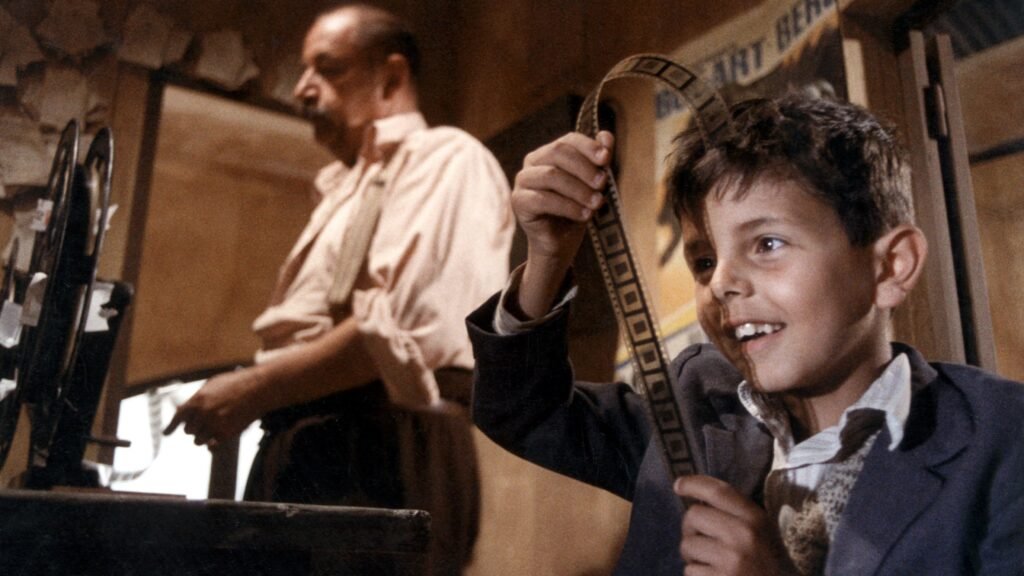
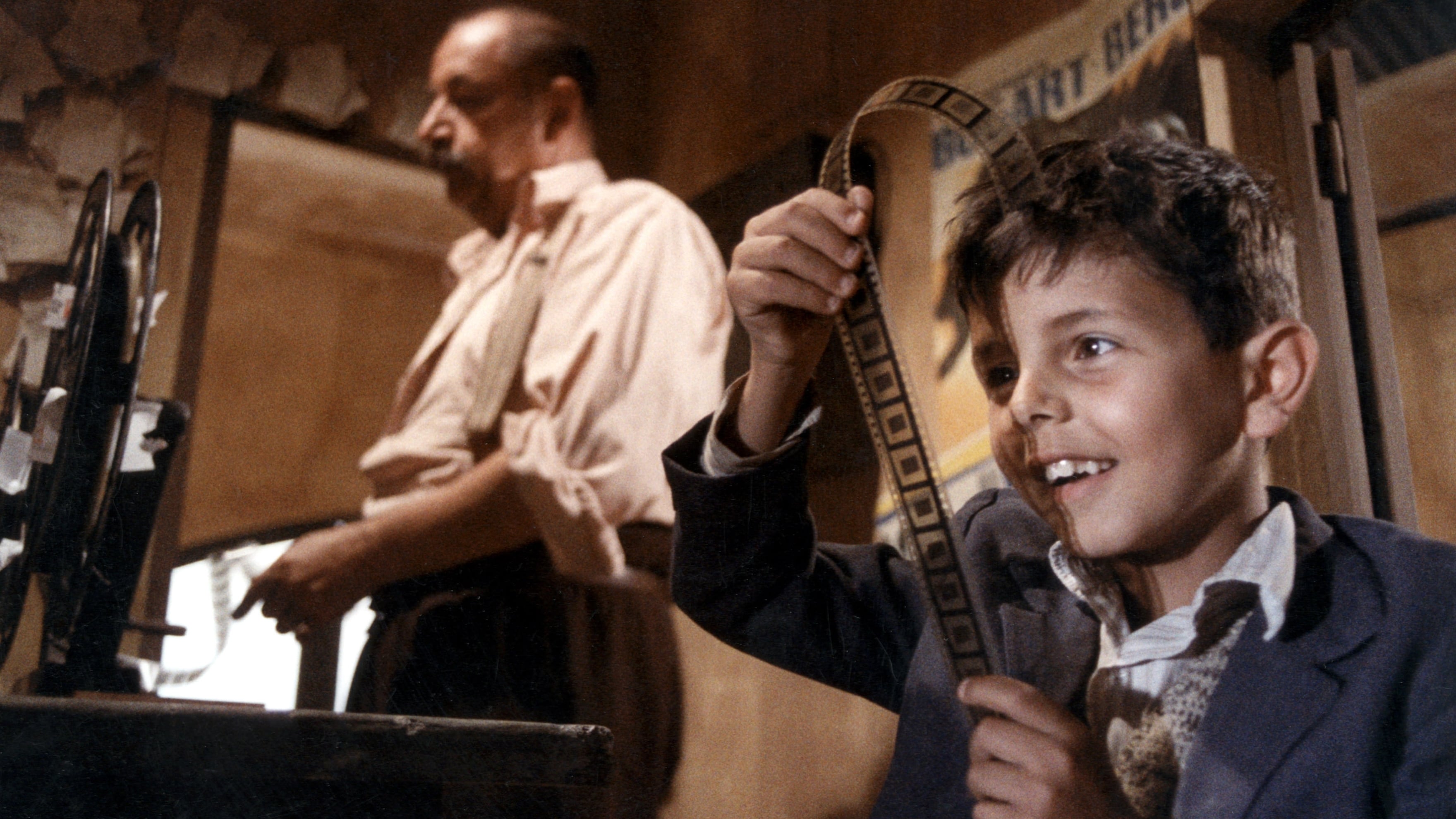
At its heart, "Cinema Paradiso" unfolds as a rich tapestry of reminiscence, as a renowned film director, Salvatore Di Vita, reflects on his childhood in a post-World War II Sicilian village. The story primarily centers on young Toto, a mischievous and inquisitive boy utterly captivated by the local cinema, the "Cinema Paradiso." It's here that he forms an unlikely, yet unbreakable, bond with Alfredo, the gruff but warm-hearted projectionist. Alfredo becomes a surrogate father figure, imparting life lessons through the lens of the films they watch and the reels they mend. We follow Toto's journey from an innocent boy to a young man, experiencing the joy, heartbreak, and profound changes that define his youth and the evolving landscape of his beloved cinema. The narrative beautifully captures the passage of time, painting a vivid portrait of a bygone era and the enduring legacy of a unique friendship, all without revealing the deeply moving resolution.
Main Cast

Philippe Noiret
Alfredo

Jacques Perrin
Salvatore 'Totò' Di Vita (adult)

Marco Leonardi
Salvatore 'Totò' Di Vita (teen)

Salvatore Cascio
Salvatore 'Totò' Di Vita (child)

Agnese Nano
Elena Mendola (teen) / Elena's daughter (in Director's cut)

Antonella Attili
Maria Di Vita (young)

Pupella Maggio
Maria Di Vita (aged)

Enzo Cannavale
Spaccafico
Movie Information
| IMDb Rating | 8.5 |
| Genre | Drama, Romance |
| Runtime | 174 min |
| Director | Giuseppe Tornatore |
| Writer | Giuseppe Tornatore, Vanna Paoli |
| Actors | Philippe Noiret, Enzo Cannavale, Antonella Attili |
| Language | Italian |
| Country | Italy, France |
| Awards | Won 1 Oscar. 25 wins & 33 nominations total |
| Released | 23 Feb 1990 |
Cast Performance
The emotional core of "Cinema Paradiso" is undeniably brought to life by its exceptional cast, particularly the three actors who portray Salvatore (Toto) at different stages of his life, and the magnetic presence of Philippe Noiret as Alfredo. Salvatore Cascio, as the young Toto, delivers an unbelievably natural and captivating performance, embodying childhood wonder and mischief with such authenticity that he instantly steals the audience's heart. Marco Leonardi beautifully navigates Toto's challenging teenage years, conveying the fervor and angst of first love and ambition. Jacques Perrin completes the trifecta as the adult Salvatore, his melancholic gaze perfectly encapsulating a lifetime of memories. However, it's Philippe Noiret's portrayal of Alfredo that anchors the film; his nuanced performance as the cynical yet deeply affectionate mentor provides the bedrock of the film's emotional weight, showcasing a rare chemistry with Cascio that feels genuinely paternal and unforgettable. Their combined efforts craft characters that feel incredibly real and deeply resonate long after the credits roll.
Cinematography
The visual artistry of "Cinema Paradiso" is nothing short of breathtaking, playing a crucial role in evoking the film's powerful sense of nostalgia and enchantment. Cinematographer Blasco Giurato masterfully captures the sun-drenched landscapes of Sicily, using warm hues and soft lighting that imbue every frame with a dreamlike quality, perfectly mirroring the film's journey into memory. The close-ups on the faces of the characters, especially young Toto, convey innocence and wonder, while wider shots of the bustling village squares and the cozy, sometimes chaotic, cinema interior immerse viewers completely. Giurato's work expertly balances the stark realities of post-war Italy with the romanticized lens of childhood recollection, creating a visual language that is both grounded and ethereal. The way the light plays on the projectionist's booth, illuminating dust motes dancing in the beam, serves as a powerful metaphor for the magic that cinema casts over the human spirit, making the film a feast for the eyes.
Soundtrack
Ennio Morricone's iconic score for "Cinema Paradiso" is often hailed as one of the greatest film soundtracks of all time, an essential character in itself that elevates the movie to mythical status. His compositions are an exquisite blend of melancholy, joy, and profound tenderness, perfectly mirroring the complex emotional journey of the film. From the instantly recognizable main theme, which evokes a sense of bittersweet nostalgia, to the soaring romantic motifs that accompany Toto's youthful affections, Morricone's music weaves through the narrative, enhancing every scene without ever overpowering it. The recurring melodies become synonymous with memory, friendship, and the enduring power of cinema, etching themselves into the listener's heart. It’s a score that speaks volumes, providing an emotional resonance that is both deeply personal and universally understood, making it impossible to imagine "Cinema Paradiso" without its unforgettable musical soul.
Review
"Cinema Paradiso" is a cinematic triumph, a film that doesn't just tell a story but invites viewers to feel it deeply. Critics universally laud its heartfelt narrative, exceptional performances, and the profound emotional impact it leaves. It’s a beautifully crafted piece of art that expertly balances humor, sadness, and profound philosophical insights into life, love, and the passage of time. The film's ability to evoke such powerful nostalgia, even for experiences one hasn't personally lived, is a testament to its universal themes and skillful execution. Many have praised its evocative depiction of a bygone era and its enduring message about the magic of movies. It stands as a timeless classic, a must-watch for anyone who appreciates storytelling that touches the soul and celebrates the power of human connection, cementing its reputation as a true masterpiece of world cinema.
Box Office
While "Cinema Paradiso" didn't achieve blockbuster status immediately upon its initial release, its journey to becoming a beloved classic is a testament to the power of critical acclaim and word-of-mouth. Its performance was initially modest, particularly in its native Italy, but its triumph at the Cannes Film Festival and subsequently at the Academy Awards catalyzed a significant international release. The film gradually found its audience across Europe, North America, and beyond, with viewers drawn to its universal themes and profound emotional depth. This gradual accumulation of appreciation, driven by its artistic merit rather than immediate commercial splash, solidified its reputation. Over the years, its continuous re-screenings, home video releases, and streaming availability have ensured its enduring popularity, proving that some films are destined to find their true success not in opening weekend numbers, but in their lasting impact on generations of cinephiles.
Awards
"Cinema Paradiso" garnered significant recognition and an impressive array of accolades, firmly establishing its place in cinematic history. The film's most notable achievement was winning the **Academy Award for Best Foreign Language Film** in 1990, an honor that significantly boosted its international profile and critical acclaim. Prior to this, it had already made a splash at the **1989 Cannes Film Festival**, where it clinched the coveted **Grand Prix du Jury**, affirming its artistic excellence from the outset. Further solidifying its prestige, the film also received five **BAFTA Awards**, including Best Film Not in the English Language, Best Actor for Philippe Noiret, Best Original Screenplay, Best Original Score, and Best Direction. These prestigious awards underscored the film's masterful storytelling, exceptional performances, and enduring cultural significance, propelling it from an Italian gem to a global cinematic treasure.
Who Should Watch This Movie?
"Cinema Paradiso" is an absolute must-watch for anyone who cherishes the art of filmmaking and appreciates stories with profound emotional depth. If you're a fan of coming-of-age narratives that explore themes of friendship, mentorship, and first love, this film will undoubtedly resonate with you. It’s perfect for those who enjoy films that evoke a strong sense of nostalgia, offering a beautiful glimpse into a bygone era and the enduring power of memory. Cinephiles will adore its loving tribute to the magic of movies and the communal experience of cinema. Furthermore, if you're looking for a foreign film that transcends language barriers with its universal themes and breathtaking beauty, then "Cinema Paradiso" should be at the very top of your watchlist. Prepare for a deeply moving, bittersweet journey that will stay with you long after the credits roll.
Frequently Asked Questions
Is "Cinema Paradiso" based on a true story?
While "Cinema Paradiso" is not a factual biography, it is deeply personal and inspired by director Giuseppe Tornatore's own childhood and his profound love for cinema. The characters and events are fictionalized, but they reflect the spirit and experiences of a generation growing up with the magic of movies in post-war Italy.
What is the main message or theme of "Cinema Paradiso"?
The film explores several profound themes, including the bittersweet nature of nostalgia and memory, the transformative power of cinema, the importance of mentorship and platonic love (between Toto and Alfredo), the passage of time, and the painful yet necessary act of letting go to pursue one's destiny. Ultimately, it's a celebration of life's defining moments and the art that shapes them.
How long is "Cinema Paradiso"? Are there different versions?
The theatrical release of "Cinema Paradiso" typically runs for about 155 minutes (2 hours and 35 minutes). However, a director's cut, also known as the "Nouvelle Version" or "Director's Cut," exists which extends the runtime to around 173 minutes (2 hours and 53 minutes), offering additional scenes that delve deeper into Salvatore's adult life.
Is "Cinema Paradiso" a sad movie?
While "Cinema Paradiso" contains deeply moving and melancholic moments, particularly in its exploration of loss and the passage of time, it is perhaps more accurately described as bittersweet. It's filled with moments of joy, humor, and profound warmth, celebrating love, friendship, and the enduring magic of cinema. It leaves viewers with a sense of emotional fulfillment, despite its poignant undertones.
Why is "Cinema Paradiso" considered such a classic?
"Cinema Paradiso" is revered as a classic for its universal themes, its masterful storytelling, and its exceptional execution. It boasts unforgettable performances, particularly from Salvatore Cascio and Philippe Noiret, a stunning visual aesthetic, and an iconic, emotionally resonant score by Ennio Morricone. Its enduring appeal lies in its ability to evoke powerful emotions and connect with audiences across cultures and generations, making it a timeless celebration of life and cinema.
Official Trailer
You May Also Like
American Graffiti
1973
⭐ 7.0

The Bird of Paradise
2022
⭐ 10.0

Antonia's Line
1995
⭐ 6.9

A Few Good Men
1992
⭐ 7.6
Aparajito
1956
⭐ 7.9
Sleepless in Seattle
1993
⭐ 6.7
Related Movies
Conclusion
"Cinema Paradiso" remains an evergreen masterpiece, a testament to the enduring power of storytelling and the unbreakable bonds forged through shared experiences. It's a film that speaks volumes about the magic of cinema itself, not just as entertainment, but as a mirror reflecting our lives, dreams, and memories. From its unforgettable characters and poignant narrative to its breathtaking cinematography and iconic score, every element harmonizes to create a truly transcendent experience. Its lasting legacy is evident in its continued resonance with new generations of viewers, reminding us that some stories are truly timeless. If you haven't yet discovered the warmth, heartbreak, and profound beauty of "Cinema Paradiso," now is the perfect time to immerse yourself in this unparalleled cinematic journey.
Visit TMDB to get official information.