

The Elephant Man (1980)
⭐ IMDb Rating: 8.2
🎭 Genre: Biography, Drama
⏱ Runtime: 124 min
🎬 Director: David Lynch
📅 Released: 10 Oct 1980
🌍 Country: United States, United Kingdom
Introduction
Step into the hauntingly beautiful world of "The Elephant Man," a cinematic masterpiece from 1980 that continues to resonate with audiences worldwide. Directed by the visionary David Lynch, this film is far more than a historical drama; it's a profound exploration of humanity, compassion, and prejudice. Its enduring power lies in its sensitive portrayal of a truly extraordinary life.
This iconic film transports viewers to Victorian London, offering an intimate look at the life of John Merrick. The movie delves into themes of dignity and the often-cruel perceptions of society, making it a timeless narrative. It remains a crucial piece of cinema history, celebrated for its artistic integrity and emotional depth.
Story
The narrative of "The Elephant Man" centers on John Merrick, a man living with severe physical deformities, who becomes an exhibit in a Victorian freak show. His arduous existence takes a hopeful turn when he is discovered by Dr. Frederick Treves, a compassionate surgeon. Dr. Treves endeavors to provide Merrick with a life of dignity and respect away from the exploitation he has known.
The film meticulously chronicles their evolving relationship and Merrick's slow introduction to polite society, revealing a man of immense intellect and sensitivity beneath his appearance. It’s a powerful exploration of how compassion can challenge societal norms and profound misunderstanding. The story unfolds as a moving testament to the human spirit's resilience against adversity.
Main Cast

Anthony Hopkins
Frederick Treves

John Hurt
John Merrick

Anne Bancroft
Mrs Kendal

John Gielgud
Carr Gomm

Wendy Hiller
Mothershead

Freddie Jones
Bytes

Michael Elphick
Night Porter

Hannah Gordon
Mrs Treves
Movie Information
| IMDb Rating | 8.2 |
| Genre | Biography, Drama |
| Runtime | 124 min |
| Director | David Lynch |
| Writer | Christopher De Vore, Eric Bergren, David Lynch |
| Actors | Anthony Hopkins, John Hurt, Anne Bancroft |
| Language | English, French |
| Country | United States, United Kingdom |
| Awards | Nominated for 8 Oscars. 11 wins & 22 nominations total |
| Released | 10 Oct 1980 |
Cast Performance
The performances in "The Elephant Man" are nothing short of legendary, with John Hurt's portrayal of John Merrick standing out as a career-defining role. His physical transformation, achieved through extensive prosthetics, is only matched by the immense emotional depth he conveys, primarily through his eyes and voice. Hurt brings immense dignity and heart to a character who could easily have been a caricature.
Anthony Hopkins delivers a compelling performance as Dr. Frederick Treves, embodying a man of science driven by empathy and a quest for understanding. His nuanced portrayal grounds the film, providing a human anchor in a world often devoid of kindness. The entire ensemble cast contributes significantly to the film's rich emotional tapestry, elevating this historical drama to extraordinary heights.
Cinematography
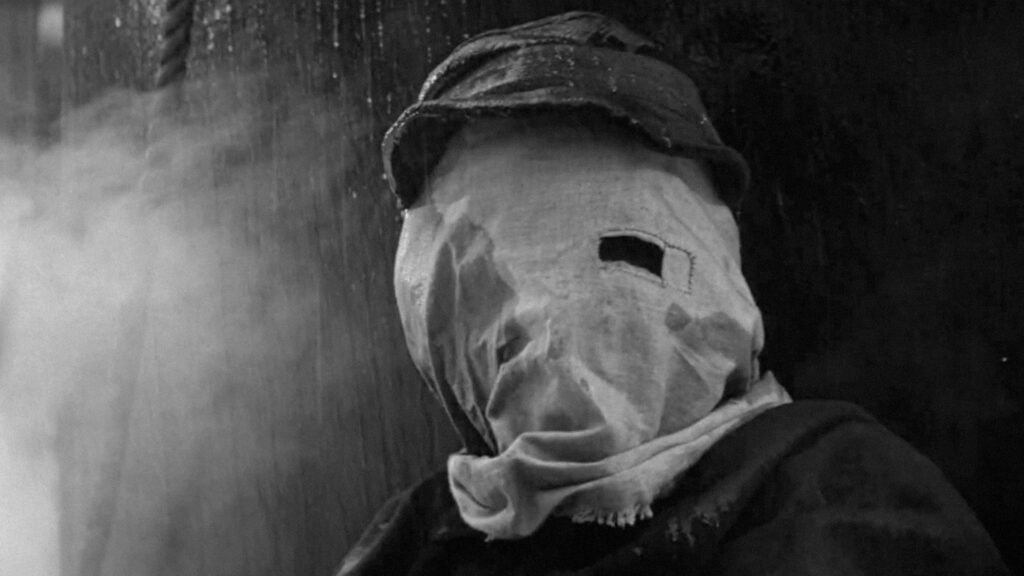
Freddie Francis's black and white cinematography is arguably one of the most striking elements of "The Elephant Man," playing a pivotal role in establishing its unique atmosphere. This deliberate aesthetic choice immerses the audience directly into the grimy, gaslit streets of Victorian London. The stark contrasts of light and shadow enhance the film's dramatic tension and emotional weight.
The absence of color forces viewers to focus on character expressions, textures, and the profound human element of the story. It evokes a timeless quality, making the film feel both historical and universally relevant. The black and white palette contributes significantly to the film's somber yet beautiful tone, cementing its visual impact as a work of art.
Soundtrack
The musical score for "The Elephant Man," composed by John Morris, is an integral part of the film's emotional landscape. Morris's compositions are subtly powerful, complementing the dramatic intensity without ever overpowering the delicate narrative. His melodies often feature melancholic string arrangements, perfectly mirroring the film's themes of sorrow, hope, and humanity.
Beyond the score, David Lynch's masterful use of sound design further enriches the viewing experience. The industrial cacophony of Victorian London, combined with Merrick's labored breathing and the quiet moments of reflection, creates an immersive sonic environment. This intricate soundscape deeply enhances the film's emotional resonance and its exploration of Merrick's internal world.
Review
"The Elephant Man" stands as a profound cinematic achievement, a film that deftly combines historical drama with a deeply moving character study. David Lynch's direction is remarkably sensitive, guiding the narrative with a delicate touch that emphasizes empathy over spectacle. It challenges viewers to look beyond outward appearances and confront their own prejudices, making it incredibly powerful.
The film's exploration of human dignity and the redemptive power of compassion resonates long after the credits roll. Its stunning performances, evocative cinematography, and poignant score coalesce into an unforgettable experience. This is a must-watch for anyone seeking a film that offers both intellectual depth and profound emotional impact, earning its place as a timeless classic.
If you enjoyed this film, check out our guides to The Shawshank Redemption (1994) and The Pianist (2003) for more great movie recommendations.
Ending Explained
Spoiler warning: this section describes the final act of The Elephant Man (1980).
John Merrick, having found dignity and friendship through Dr. Treves and Mrs. Kendal, completes the intricate model cathedral he has been building — a symbol of the inner life and artistry his disfigurement kept hidden. That night, he removes the pillows he must sleep upright on and lies down flat like a normal man, knowing it will asphyxiate him. He dies peacefully in his sleep.
The film's closing evokes the principle Treves reads earlier: that nothing truly dies — a quiet, humane coda to a story about seeing the person beneath the appearance. Merrick's final act is presented not as defeat but as a chosen, dignified rest on his own terms.
Box Office
Upon its release in 1980, "The Elephant Man" proved to be a critical darling and a commendable box office success, especially for an arthouse drama. It garnered significant attention, translating into strong ticket sales that exceeded expectations for its genre. The film's compelling story and universal themes attracted a broad audience.
Its financial performance demonstrated that audiences were eager for thoughtful, character-driven narratives, even those with darker subject matter. The film's commercial viability further cemented its status as an important cultural touchstone. This success allowed the film to reach a wider viewership, ensuring its powerful message resonated globally.
Awards
"The Elephant Man" received widespread critical acclaim, earning an impressive eight Academy Award nominations, including Best Picture, Best Director for David Lynch, Best Actor for John Hurt, and Best Adapted Screenplay. While it didn't take home the coveted Best Picture Oscar, its significant recognition highlighted its artistic merit and profound impact.
The film also achieved notable success at the BAFTA Awards, securing three wins for Best Film, Best Production Design, and Best Actor for John Hurt. These accolades underscore the film's exceptional quality across various departments, from direction and acting to its intricate set design. Its numerous nominations and wins firmly established its place in cinematic history.
Who Should Watch This Movie?
If you are captivated by historical dramas that delve deep into the human condition, "The Elephant Man" is an absolute must-see. This film is perfect for viewers who appreciate character-driven stories and profound explorations of empathy, prejudice, and societal acceptance. It offers a powerful narrative without relying on sensationalism.
Fans of David Lynch's unique directorial style, particularly his early works, will find this film fascinatingly different yet equally masterful. Those who enjoy compelling performances and exquisite black-and-white cinematography will also be thoroughly rewarded. Ultimately, anyone seeking a profoundly moving and thought-provoking cinematic experience should add this classic to their watch list.
Frequently Asked Questions
Is "The Elephant Man" based on a true story?
Yes, "The Elephant Man" is based on the real-life story of Joseph Merrick, a man living in Victorian England with severe physical deformities. The film sensitively portrays his journey and interaction with Dr. Frederick Treves.
Why is the film in black and white?
Director David Lynch chose black and white cinematography for artistic reasons. It helps to evoke the historical period of Victorian London and enhances the film's somber, dramatic, and often dreamlike atmosphere, focusing on character and emotion.
Who directed "The Elephant Man"?
The critically acclaimed film "The Elephant Man" was directed by the visionary filmmaker David Lynch. It marked one of his earlier works and showcased his unique talent for creating atmospheric and deeply emotional stories.
What are the main themes explored in "The Elephant Man"?
The film explores profound themes such as human dignity, compassion, prejudice, and the concept of 'monstrosity' versus true humanity. It challenges viewers to consider how society treats those who are different.
Is "The Elephant Man" a sad film?
While "The Elephant Man" certainly contains elements of sadness and tragedy, it is also a deeply moving and hopeful film. It celebrates the human spirit, the power of empathy, and the quest for dignity, making it a powerful emotional experience.
Where to Watch The Elephant Man (1980)
Streaming availability changes often — services add and remove titles every month, so we don't publish a fixed list here.
Check current US streaming, rental & purchase options on JustWatch →
JustWatch is an independent streaming guide. We don't track real-time availability ourselves.
Official Trailer
Related Movies
Conclusion
More than forty years after its debut, "The Elephant Man" remains a singularly affecting and essential piece of cinema. David Lynch's sensitive direction, coupled with John Hurt's indelible performance, ensures its lasting legacy as a film that champions humanity and challenges societal misconceptions. Its narrative of resilience and compassion continues to inspire and provoke thought.
This film is a poignant reminder of the enduring power of kindness and the importance of looking beyond superficial differences. "The Elephant Man" is not just a movie; it is a profound cinematic experience that continues to resonate with its timeless message. It rightfully holds its place as a true classic in the annals of film history.
Learn more about The Elephant Man on
Official TMDb Page
.