
The Pianist (2003) Movie Guide | Cast, Story, Review, Ending Explained & Where to Watch
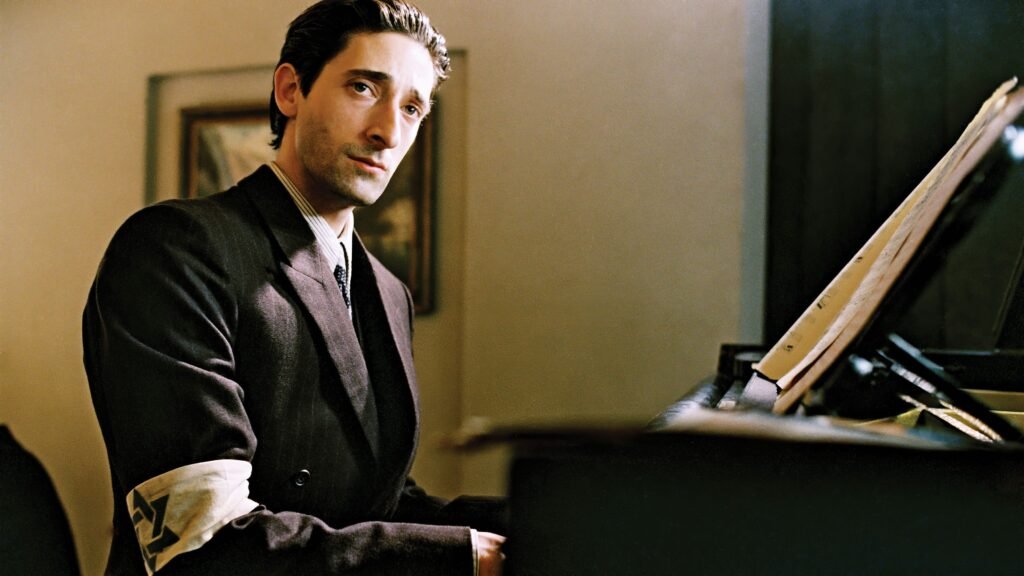


The Pianist (2003)
⭐ IMDb Rating: 8.5
🎭 Genre: Biography, Drama, Music
⏱ Runtime: 150 min
🎬 Director: Roman Polanski
📅 Released: 28 Mar 2003
🌍 Country: France, Poland, Germany, United Kingdom, United States
Introduction
The Pianist, a profoundly moving cinematic achievement from 2003, stands as a testament to the resilience of the human spirit amidst unimaginable adversity. Directed by the acclaimed Roman Polanski and starring a transformative Adrien Brody, this historical drama plunges viewers into the harrowing realities of World War II, seen through the eyes of a gifted musician. Based on the compelling autobiography of Władysław Szpilman, a Polish-Jewish pianist, the film meticulously reconstructs his desperate struggle for survival in the devastated streets of Warsaw. Hailed universally by critics upon its release, "The Pianist" quickly garnered immense critical acclaim, solidifying its place as one of the most powerful and essential films ever made about the Holocaust. Its unflinching portrayal of history, coupled with breathtaking performances and masterful direction, offers audiences a stark yet deeply human perspective on one of humanity's darkest chapters. This Oscar-winning film invites viewers to witness not only the depths of human cruelty but also the incredible fortitude found in the face of despair, making it a truly unforgettable and essential watch for anyone interested in powerful storytelling.
Story
The core narrative of "The Pianist" follows Władysław Szpilman, a celebrated Jewish pianist living in Warsaw when Nazi Germany invades Poland in September 1939. Initially, life continues with increasing restrictions and fear, but soon spirals into the devastating reality of the Holocaust. The film meticulously details Szpilman's journey from relative normalcy to being confined within the Warsaw Ghetto, and then his subsequent struggle for survival in the war-torn city. Stripped of his family, his livelihood, and almost his humanity, Szpilman embarks on a solitary, desperate quest to endure. He navigates a landscape of destruction and betrayal, often relying on the kindness of strangers, his own cunning, and crucially, the indelible power of music that defines his very being. The story is a poignant exploration of isolation, loss, and the sheer will to live, illustrating the horrific daily existence under occupation and the profound impact of war on an individual. It’s a powerful narrative about clinging to hope when all seems lost, portraying Szpilman’s internal and external battle to simply exist amidst the chaos.
Main Cast

Adrien Brody
Władysław 'Władek' Szpilman

Thomas Kretschmann
Captain Wilm Hosenfeld
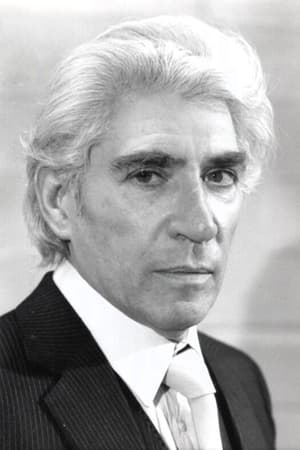
Frank Finlay
Father

Maureen Lipman
Mother

Emilia Fox
Dorota

Ed Stoppard
Henryk Szpilman

Julia Rayner
Regina Szpilman

Jessica Kate Meyer
Halina Szpilman
Movie Information
| IMDb Rating | 8.5 |
| Genre | Biography, Drama, Music |
| Runtime | 150 min |
| Director | Roman Polanski |
| Writer | Ronald Harwood, Wladyslaw Szpilman |
| Actors | Adrien Brody, Thomas Kretschmann, Frank Finlay |
| Language | English, German, Russian |
| Country | France, Poland, Germany, United Kingdom, United States |
| Awards | Won 3 Oscars. 57 wins & 74 nominations total |
| Released | 28 Mar 2003 |
Cast Performance
Adrien Brody delivers a truly career-defining performance as Władysław Szpilman in "The Pianist," for which he famously underwent significant physical and psychological transformations. He lost a considerable amount of weight, learned to play Chopin pieces on the piano, and immersed himself in the isolation and despair that defined Szpilman's existence. Brody's portrayal is not merely an imitation but a profound embodiment of a man stripped of everything yet clinging to his art and humanity. His gaunt frame, haunted eyes, and quiet desperation convey the unspeakable suffering and resilience of his character with incredible authenticity. The intensity and vulnerability he brings to the role are palpable, allowing audiences to connect deeply with Szpilman's arduous journey. This nuanced and deeply committed performance earned Brody an Academy Award for Best Actor, making him the youngest recipient in that category at the time. His masterful execution elevates "The Pianist" from a historical account to a deeply personal and unforgettable human drama, showcasing the extraordinary lengths one actor went to honor a real-life survivor.
Cinematography
The cinematography in "The Pianist," masterfully handled by Paweł Edelman, plays a crucial role in immersing viewers into the grim reality of wartime Warsaw. The visual style is characterized by its stark realism, employing a muted color palette that effectively conveys the desolation and despair of the era. Edelman's camera work often feels observational, almost documentary-like, allowing the horrific events to unfold with an unflinching honesty that avoids sensationalism. From the claustrophobic confines of the Warsaw Ghetto to the bombed-out ruins of the city, each frame is meticulously composed to reflect the escalating destruction and human suffering. The camera frequently captures Szpilman's isolation through wide shots of devastated landscapes, emphasizing his smallness against the overwhelming backdrop of war. Yet, there are also intimate close-ups that highlight the nuanced emotions etched on Brody's face. This visual approach creates a powerful sense of authenticity, making the historical events tangible and deeply personal, ensuring that the film's imagery resonates long after the credits roll.
Soundtrack
Music, particularly the works of Frédéric Chopin, is not merely a background element in "The Pianist" but rather a central character and a powerful narrative device. Władysław Szpilman's profound connection to the piano and classical music forms the emotional anchor of the film, symbolizing beauty, hope, and his enduring spirit in the face of atrocity. The soundtrack features iconic Chopin pieces, such as the Nocturne in C-sharp minor and the Ballade No. 1 in G minor, which are performed with exquisite precision and deep emotional resonance by Polish pianist Janusz Olejniczak. These musical moments serve as poignant reminders of the life Szpilman once knew and the culture that was systematically destroyed. Even when Szpilman is unable to play, the music lives within him, a silent symphony of defiance and resilience. The way music is woven into the narrative accentuates moments of both profound despair and fleeting hope, making "The Pianist" an auditory experience as rich and impactful as its visual storytelling, cementing its status as an unforgettable musical drama.
Review
The Pianist stands as a monumental achievement in historical filmmaking, offering an incredibly powerful and often harrowing cinematic experience. Critics universally lauded Roman Polanski's direction for its unflinching honesty and sensitive approach to such a difficult subject matter, meticulously recreating the grim realities of wartime Warsaw without resorting to gratuitous violence. Adrien Brody's transformative portrayal of Władysław Szpilman is frequently cited as one of the greatest performances in film history, embodying the quiet dignity and enduring spirit of a survivor. The film’s narrative expertly balances moments of profound human tragedy with glimpses of unexpected kindness and resilience, ensuring that audiences remain deeply invested in Szpilman’s arduous journey. "The Pianist" is more than just a Holocaust film; it is a testament to the indomitable nature of the human spirit and the enduring power of art, making it an essential watch for anyone seeking a film that is both historically significant and emotionally devastating. Its masterful storytelling and compelling performances ensure its place as a timeless classic.
Box Office
Upon its release, "The Pianist" achieved significant box office success, particularly for a serious historical drama. While perhaps not a blockbuster in the traditional sense, its impressive global earnings far exceeded its production budget, demonstrating its widespread appeal and critical resonance. The film captivated audiences worldwide, drawing viewers with its powerful true story and the promise of a deeply affecting cinematic experience. Its strong performance was undoubtedly bolstered by the overwhelming critical acclaim it received, culminating in numerous prestigious awards, which often translate into increased viewership and sustained interest. "The Pianist" proved that audiences were eager for thoughtful, well-crafted narratives, even when exploring somber historical events. Its financial triumph underscored its universal themes of survival, hope, and resilience, allowing its important message to reach a broad international audience and solidify its standing as a commercially successful and artistically significant motion picture.
Awards
"The Pianist" swept the awards season, earning a multitude of accolades that firmly established its status as a cinematic masterpiece. Its most significant triumphs came at the Academy Awards, where it clinched three highly coveted Oscars: Best Director for Roman Polanski, Best Actor for Adrien Brody's unforgettable portrayal of Szpilman, and Best Adapted Screenplay, recognizing Ronald Harwood's skillful adaptation of Szpilman's memoir. These wins underscored the film's exceptional quality across key creative departments. Prior to its Oscar success, "The Pianist" also made a powerful statement at the Cannes Film Festival, where it was awarded the prestigious Palme d'Or, the festival's highest honor. Furthermore, it garnered multiple BAFTA Awards, including Best Film and Best Director, and was recognized by numerous critics' associations worldwide. These impressive awards collectively highlight "The Pianist"'s profound impact and and its enduring legacy as one of the most critically acclaimed and celebrated films of its time.
Who Should Watch This Movie?
"The Pianist" is an essential watch for anyone seeking a profoundly impactful and historically significant cinematic experience. Viewers interested in World War II history, particularly the Holocaust, will find it an incredibly authentic and humanizing portrayal of events. It's a must-see for film enthusiasts who appreciate exceptional storytelling, masterful direction, and transformative acting, especially those who admire Adrien Brody's work. Individuals who are drawn to stories of human resilience, survival against overwhelming odds, and the power of art to sustain hope will find this film deeply moving. While it tackles mature and somber themes, its sensitive approach makes it accessible for mature young adults and above, offering valuable historical education alongside compelling drama. If you're looking for a film that sparks introspection, demands emotional engagement, and leaves a lasting impression, "The Pianist" should be at the top of your watch list. It's a powerful reminder of both humanity's capacity for cruelty and its remarkable ability to endure.
Frequently Asked Questions
Who directed 'The Pianist'?
'The Pianist' was directed by the acclaimed Polish-French filmmaker Roman Polanski. His personal experiences as a Holocaust survivor significantly informed his sensitive and authentic approach to the material, earning him an Academy Award for Best Director.
What awards did 'The Pianist' win?
'The Pianist' received numerous prestigious awards, most notably three Academy Awards for Best Director (Roman Polanski), Best Actor (Adrien Brody), and Best Adapted Screenplay. It also won the coveted Palme d'Or at the Cannes Film Festival and multiple BAFTA Awards, including Best Film.
Does Adrien Brody play the piano in 'The Pianist'?
While Adrien Brody underwent intensive piano training and learned to play segments of the pieces, the complex classical compositions heard in 'The Pianist' were performed by Polish concert pianist Janusz Olejniczak. Brody's dedication to authentically portraying a pianist was a significant part of his preparation.
What is the main theme of 'The Pianist'?
The main theme of 'The Pianist' revolves around the extraordinary resilience of the human spirit in the face of unimaginable adversity. It explores themes of survival, loss, the power of music as a source of hope and defiance, and the profound impact of war and persecution on an individual's identity and existence.
Official Trailer
You May Also Like
Confucius
1940
⭐ 6.5
Bonnie Prince Charlie
1923
⭐ 10.0

Happy Face Killer
2014
⭐ 5.2

Jarhead
2005
⭐ 6.7
Walk on Water
2004
⭐ 6.9

9 Songs
2004
⭐ 5.5
Related Movies
Conclusion
In conclusion, "The Pianist" remains an indelible mark on cinematic history, a film that transcends its historical setting to deliver a timeless message of survival, resilience, and the enduring power of art. Roman Polanski's masterful direction, coupled with Adrien Brody's legendary performance, brings Władysław Szpilman's harrowing true story to life with breathtaking authenticity and emotional depth. From its stark, evocative cinematography to the hauntingly beautiful Chopin melodies that underscore Szpilman's journey, every element of this movie converges to create an unforgettable experience. It's a film that not only educates about the horrors of the Holocaust but also celebrates the human spirit's unwavering capacity to find hope amidst despair. "The Pianist" continues to resonate with audiences worldwide, securing its place as an essential, critically acclaimed, and emotionally powerful drama that must be seen to be truly appreciated.
For official information check TMDB.


1 Comment