
Dr. Strangelove or: How I Learned to Stop Worrying and Love the Bomb (1964)
⭐ IMDb Rating: 8.3
🎭 Genre: Comedy, War
⏱ Runtime: 95 min
🎬 Director: Stanley Kubrick
📅 Released: 29 Jan 1964
🌍 Country: United Kingdom
Introduction
Dive into the cinematic genius of Stanley Kubrick with 'Dr. Strangelove or: How I Learned to Stop Worrying and Love the Bomb,' a black comedy masterpiece from 1964. This seminal film takes a chillingly humorous look at the Cold War era's nuclear anxieties, proving that laughter can be found even in the face of global annihilation. It remains a powerful satire that masterfully blends dark comedy with high-stakes political commentary.
Kubrick's iconic vision brought to life a world teetering on the brink, where absurd characters make tragically foolish decisions. 'Dr. Strangelove' isn't just a movie; it's a cultural touchstone that continues to resonate with audiences decades later. Its unique blend of tension and hilarity makes it an unforgettable viewing experience.
Story
The narrative of 'Dr. Strangelove' unfolds with alarming swiftness, thrusting audiences into a crisis of global proportions. An unhinged American general initiates an unauthorized nuclear attack on the Soviet Union, setting off a frantic scramble to avert Armageddon. This premise immediately establishes a high-stakes scenario, perfectly ripe for Kubrick's satirical lens.
From the War Room to bomber cockpits, various characters grapple with the unfolding catastrophe, each contributing to the film's darkly comedic tone. The plot masterfully explores the absurdities inherent in military protocol and political brinkmanship. Audiences will find themselves captivated by the escalating tension, all while pondering the chilling implications of human fallibility.
Main Cast

Peter Sellers
Group Capt. Lionel Mandrake / President Merkin Muffley / Dr. Strangelove

George C. Scott
General 'Buck' Turgidson

Sterling Hayden
Brigadier General Jack D. Ripper

Keenan Wynn
Colonel Bat Guano

Slim Pickens
Major "King" Kong

Peter Bull
Botschafter De Sadesky

James Earl Jones
Lt. Lothar Zogg

Tracy Reed
Miss Scott
Movie Information
| IMDb Rating | 8.3 |
| Genre | Comedy, War |
| Runtime | 95 min |
| Director | Stanley Kubrick |
| Writer | Stanley Kubrick, Terry Southern, Peter George |
| Actors | Peter Sellers, George C. Scott, Sterling Hayden |
| Language | English, Russian |
| Country | United Kingdom |
| Awards | Nominated for 4 Oscars. 14 wins & 11 nominations total |
| Released | 29 Jan 1964 |
Cast Performance
The unforgettable performances in 'Dr. Strangelove' are central to its lasting appeal, spearheaded by the incomparable Peter Sellers. Sellers delivers a tour-de-force, portraying three distinct characters: a British RAF officer, the U.S. President, and the titular Dr. Strangelove, each with brilliant comedic timing and depth. His versatility is truly a marvel, anchoring the film's diverse comedic elements.
George C. Scott as General Buck Turgidson provides another powerhouse performance, channeling an aggressive, jingoistic military leader with an almost maniacal intensity. Sterling Hayden's portrayal of General Jack D. Ripper is equally memorable, embodying a paranoid and delusional figure who sets the catastrophic events in motion. The entire ensemble masterfully brings Kubrick's dark vision to life.
Cinematography
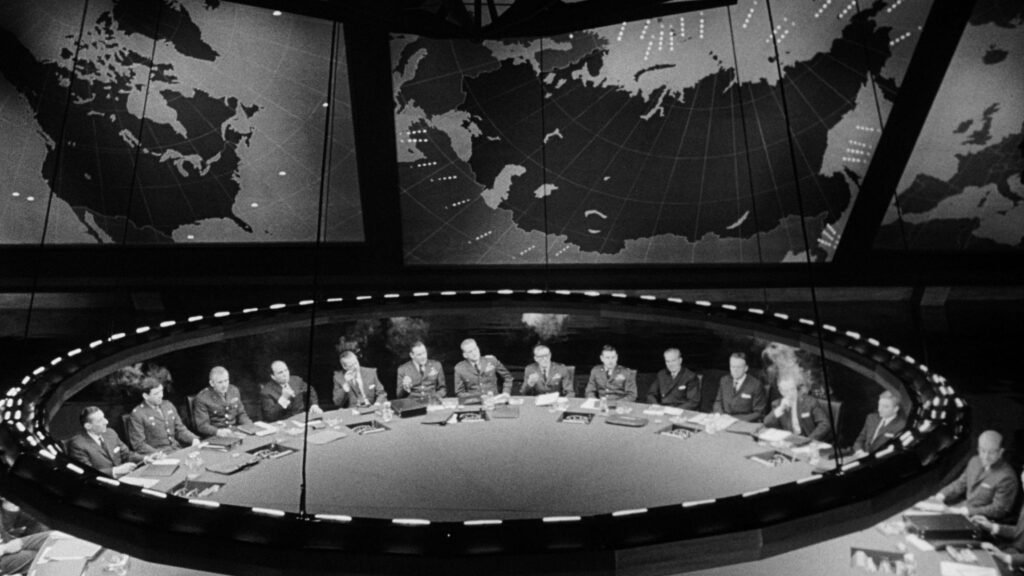
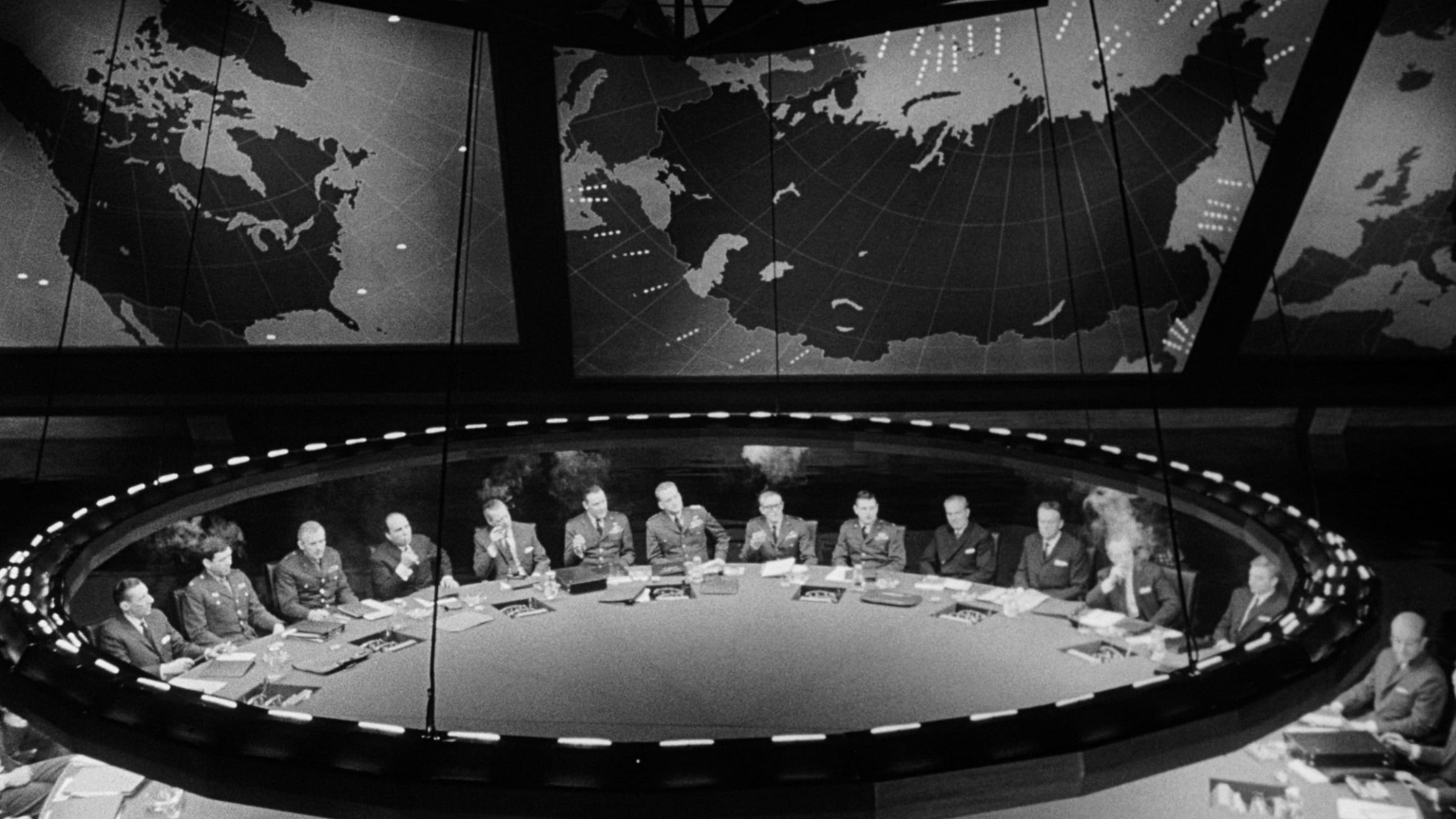
The cinematography of 'Dr. Strangelove' is a masterclass in visual storytelling, utilizing striking black and white imagery to amplify the film's stark, unnerving atmosphere. Gilbert Taylor's camera work, under Kubrick's precise direction, creates a claustrophobic tension within the confines of the War Room and the bomber planes. Every frame is meticulously composed, enhancing both the drama and the dark humor.
The high contrast lighting and sharp focus emphasize the gravity of the situation, making the absurd actions of the characters even more jarring. This visual style perfectly complements the film's satirical tone, creating a world that feels both hyper-realistic and comically exaggerated. The imagery remains iconic, demonstrating Kubrick's genius in crafting visually impactful narratives.
Soundtrack
'Dr. Strangelove' employs sound and music with remarkable effectiveness, albeit not with a traditional orchestral score. The film's sonic landscape often uses silence to build tension, punctuated by unsettling sound effects that underscore the absurdity of the unfolding crisis. This minimalist approach allows the dialogue and the gravity of the situation to take center stage.
Perhaps the most iconic musical choice is Vera Lynn's 'We'll Meet Again,' which plays during the film's unforgettable closing sequence. This seemingly innocent tune, juxtaposed with the images of destruction, creates a deeply ironic and haunting effect. The sound design perfectly enhances the film's unique brand of dark humor and satirical bite, making every auditory element count.
Review
'Dr. Strangelove' stands as a towering achievement in cinematic history, consistently lauded by critics as one of the greatest comedies ever made. Its audacious premise and fearless tackling of Cold War paranoia earned it immediate critical acclaim and an enduring legacy. The film's ability to extract profound humor from the brink of nuclear war is nothing short of brilliant.
Kubrick's direction is masterful, balancing razor-sharp wit with a chilling sense of dread, creating a timeless satire that remains remarkably relevant today. Its influence on subsequent generations of filmmakers and satirists is undeniable, cementing its place as a quintessential piece of cinema. 'Dr. Strangelove' is a thought-provoking, hilarious, and ultimately unsettling experience that continues to resonate with audiences worldwide.
Box Office
Upon its release in 1964, 'Dr. Strangelove' performed admirably at the box office, considering its unconventional subject matter and genre. It generated significant buzz and cemented Stanley Kubrick's reputation as a visionary director unafraid to tackle challenging themes. The film's financial success proved that audiences were receptive to intelligent, dark satire.
While not a blockbuster by modern standards, its earnings were robust enough to be considered a commercial success for Columbia Pictures at the time. This performance further enabled Kubrick to pursue his distinctive artistic vision in future projects. 'Dr. Strangelove' not only achieved critical adoration but also found a substantial audience eager for its unique brand of cinematic genius.
Awards
'Dr. Strangelove' garnered significant recognition for its groundbreaking filmmaking, receiving four Academy Award nominations. These prestigious nods included Best Picture, Best Director for Stanley Kubrick, Best Actor for Peter Sellers, and Best Adapted Screenplay. These nominations underscored the film's immense artistic merit and its impact on the industry.
Although it didn't take home any Oscars, the nominations themselves were a testament to its critical success and cultural importance. Over the decades, its reputation has only grown, frequently appearing on 'greatest films' lists and earning numerous retrospective accolades. Its enduring status as a classic confirms its profound and lasting influence.
Who Should Watch This Movie?
If you appreciate sharp political satire, dark comedy, and masterful filmmaking, 'Dr. Strangelove' is an absolute must-watch. This film is perfect for anyone interested in Cold War history or those who enjoy stories that challenge conventional narratives. Fans of Stanley Kubrick's distinctive directorial style will find it a compelling example of his genius.
Individuals who enjoy thought-provoking cinema that blends laughter with serious themes will find this movie incredibly rewarding. It's also highly recommended for film students and anyone studying the evolution of cinematic satire. Prepare for a film that will make you laugh, think, and perhaps feel a little uncomfortable, all at the same time.
Frequently Asked Questions
What genre is Dr. Strangelove primarily classified as?
Dr. Strangelove is primarily a black comedy and a satirical film. It cleverly uses humor to critique serious political and military topics, specifically the Cold War and nuclear brinkmanship.
Was Dr. Strangelove based on a book?
Yes, 'Dr. Strangelove' was loosely based on the 1958 novel 'Red Alert' by Peter George. Stanley Kubrick co-wrote the screenplay, transforming the serious thriller into a dark comedy.
Why is Dr. Strangelove considered a classic?
It is considered a classic for its brilliant satire, groundbreaking direction by Stanley Kubrick, and iconic performances, particularly by Peter Sellers. Its timeless themes about power and absurdity continue to resonate.
Did Peter Sellers play multiple roles in Dr. Strangelove?
Indeed, Peter Sellers famously played three distinct characters in the film: Captain Lionel Mandrake, President Merkin Muffley, and the eccentric Dr. Strangelove. His versatility is a highlight of the movie.
What is the historical context of Dr. Strangelove?
The film is set against the backdrop of the Cold War, a period of geopolitical tension between the United States and the Soviet Union, characterized by an arms race and the threat of nuclear war. It satirizes the fears and absurdities of that era.
Official Trailer
You May Also Like

Silence
2023
⭐ 8.0

Lisa Frankenstein
2024
⭐ 6.4

قاضى الغرام
1962
⭐ 0.0

Love in the Time of Malaria
1992
⭐ 8.1

Kaizokuban Bootleg Film
1999
⭐ 6.1

Chaw
2009
⭐ 5.7
Related Movies
Conclusion
'Dr. Strangelove or: How I Learned to Stop Worrying and Love the Bomb' remains an unparalleled cinematic achievement, a testament to Stanley Kubrick's audacious vision and brilliant storytelling. Its blend of biting satire, dark humor, and chilling subject matter ensures its continued relevance in today's complex world. The film is a masterclass in how to craft a compelling narrative with profound underlying messages.
From Peter Sellers' iconic multi-role performance to its stark black and white cinematography, every element contributes to its status as an enduring masterpiece. 'Dr. Strangelove' is not just a film to be watched; it's an experience to be absorbed, discussed, and revisited. It stands as an essential viewing for anyone seeking intelligent, impactful, and unforgettable cinema.
Learn more about Dr. Strangelove or: How I Learned to Stop Worrying and Love the Bomb on
Official TMDb Page
.