


Ikiru (1952)
⭐ IMDb Rating: 8.3
🎭 Genre: Drama
⏱ Runtime: 143 min
🎬 Director: Akira Kurosawa
📅 Released: 25 Mar 1956
🌍 Country: Japan
Introduction
Akira Kurosawa's 1952 masterpiece, "Ikiru," stands as a profound exploration of life, purpose, and the human spirit. This essential work of Japanese cinema transcends its era to deliver a timeless message that resonates deeply with audiences worldwide. It remains a cornerstone of film history, often cited for its powerful narrative and masterful direction.
The film's title, meaning 'To Live' in Japanese, perfectly encapsulates its central theme: finding meaning and vitality in existence. "Ikiru" is not merely a film; it is an experience that encourages introspection and a re-evaluation of one's own path. Kurosawa’s meticulous storytelling crafts a poignant journey that leaves an indelible mark.
Story
The narrative of "Ikiru" centers on Kanji Watanabe, a diligent and bureaucratic civil servant who has spent three decades of his life entrenched in monotonous office work. His existence is a gray, repetitive cycle, devoid of passion or significant personal connection. This mundane routine becomes profoundly challenged by a life-altering diagnosis.
Faced with a devastating truth, Watanabe embarks on a desperate and often heartbreaking quest to understand what it truly means to live. His journey takes him through various attempts to find joy and purpose, from fleeting hedonism to earnest attempts at connecting with others. The film beautifully portrays his internal struggle to escape the inertia of his past and make a tangible difference before time runs out. "Ikiru" masterfully depicts this deeply personal odyssey without ever succumbing to despair, instead offering a glimmer of hope and profound realization.
Main Cast

Takashi Shimura
Kanji Watanabe

Haruo Tanaka
Sakai

Nobuo Kaneko
Mitsuo, son of Kanji

Bokuzen Hidari
Ohara

Miki Odagiri
Toyo
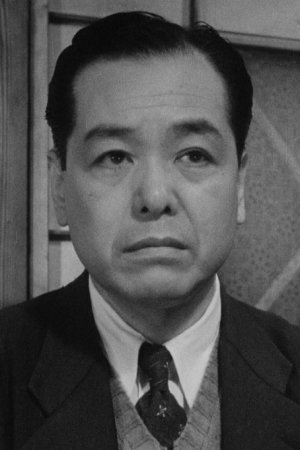
Shinichi Himori
Kimura

Minoru Chiaki
Noguchi

Minosuke Yamada
Subordinate Clerk Saito
Movie Information
| IMDb Rating | 8.3 |
| Genre | Drama |
| Runtime | 143 min |
| Director | Akira Kurosawa |
| Writer | Akira Kurosawa, Shinobu Hashimoto, Hideo Oguni |
| Actors | Takashi Shimura, Nobuo Kaneko, Shin'ichi Himori |
| Language | Japanese, Latin, English, French |
| Country | Japan |
| Awards | Nominated for 1 BAFTA Award6 wins & 2 nominations total |
| Released | 25 Mar 1956 |
Cast Performance
Takashi Shimura delivers an absolutely towering performance as Kanji Watanabe, the film's central character. Shimura embodies the resigned weariness and later, the awakening spirit of a man grappling with his mortality. His nuanced portrayal is a masterclass in silent suffering and eventual resolve, making Watanabe one of cinema's most memorable figures.
The supporting cast also provides exceptional depth, enriching the film's emotional landscape. From the cynical colleagues to the youthful, energetic Toyo, each character adds a crucial layer to Watanabe’s evolving perspective. Their interactions help to highlight the protagonist's isolation and his desperate attempts to reconnect with humanity. Shimura's ability to convey a vast spectrum of emotions with subtle gestures and expressions is a key reason "Ikiru" remains so powerful and impactful.
Cinematography
The cinematography in "Ikiru," handled by Asakazu Nakai, is a stark and deliberate visual feast that perfectly complements Kurosawa's narrative. Shot in black and white, the film uses light and shadow to create a profound sense of atmosphere, emphasizing the stark realities and emotional states of its characters. This aesthetic choice amplifies the film's serious themes.
The camera work is precise, often employing long takes and thoughtful compositions that draw viewers into Watanabe's internal world. Kurosawa’s signature use of deep focus allows for rich visual information within each frame, making every scene visually engaging. The black and white palette isn't merely a limitation of the era; it's an artistic choice that enhances the film's timeless quality and underscores its powerful dramatic impact.
Soundtrack
The soundtrack of "Ikiru" is an integral component of its emotional power, masterfully enhancing the film's somber yet ultimately hopeful tone. Composer Fumio Hayasaka creates a score that is both understated and profoundly moving, perfectly underscoring Watanabe's internal struggles and moments of clarity. The music never overwhelms but rather amplifies the film's dramatic weight.
A standout element is the recurring use of the Japanese song 'Gondola no Uta' (The Gondola Song), which becomes a poignant leitmotif throughout the film. This melancholic tune adds immense emotional depth, particularly during Watanabe's most reflective and pivotal moments. Its inclusion serves as a powerful reminder of fleeting beauty and the preciousness of life, leaving a lasting impression on the audience.
Review
"Ikiru" is undeniably one of Akira Kurosawa’s most enduring and universally acclaimed works, a cinematic masterpiece that continues to captivate audiences. Its exploration of existential dread, bureaucratic apathy, and the search for meaning is handled with a sensitivity and insight rarely seen in film. The movie’s pacing allows for deep character development and contemplation.
Critics and viewers alike consistently praise its profound philosophical underpinnings and the raw emotional honesty of Takashi Shimura’s performance. "Ikiru" is a thought-provoking experience that challenges viewers to consider their own lives and legacies. It's an essential watch for anyone interested in classic Japanese cinema, profound human drama, or simply a film that genuinely moves and inspires.
Box Office
While specific, verifiable box office figures from 1952 for "Ikiru" are challenging to pinpoint precisely decades later, the film was a significant critical and commercial success in Japan upon its release. Its profound impact and enduring legacy speak volumes about its initial reception and profitability. "Ikiru" immediately cemented its place as a revered work within Japanese cinema.
The true measure of its success lies not just in its initial theatrical run, but in its unparalleled staying power and global recognition. Decades after its debut, "Ikiru" continues to be screened, studied, and celebrated by film enthusiasts and academics worldwide. Its cultural and artistic value far exceeds any raw financial numbers, demonstrating its timeless appeal and cinematic significance.
Awards
"Ikiru" garnered considerable acclaim and numerous prestigious accolades upon its release, solidifying its status as a major cinematic achievement. The film received the Golden Bear nomination at the 3rd Berlin International Film Festival in 1953, a testament to its international recognition. It also secured critical praise from various film bodies around the globe.
Domestically, Akira Kurosawa's "Ikiru" was highly honored, winning several Kinema Junpo Awards, one of Japan's most respected film awards. These included Best Film and Best Actor for Takashi Shimura, acknowledging the exceptional quality of both direction and performance. Its enduring legacy is further cemented by its consistent inclusion in 'greatest films of all time' lists, showcasing its lasting critical adoration.
Who Should Watch This Movie?
Anyone seeking a film that offers deep reflection on life, purpose, and mortality should absolutely watch "Ikiru." It is an essential viewing experience for cinephiles interested in classic Japanese cinema, especially the masterful works of Akira Kurosawa. The film provides a rich foundation for understanding cinematic storytelling and character depth.
"Ikiru" is also highly recommended for those who appreciate powerful human dramas that encourage introspection and personal growth. If you enjoy films that leave you pondering long after the credits roll, exploring themes of legacy and making a difference, this movie is for you. It's a challenging yet ultimately uplifting cinematic journey for anyone open to profound emotional experiences.
Frequently Asked Questions
What does the title "Ikiru" mean?
The title "Ikiru" is a Japanese verb that translates to "To Live." This title perfectly encapsulates the film's central theme of finding meaning and purpose in one's life amidst the mundane.
Who directed the movie "Ikiru"?
"Ikiru" was directed by the legendary Japanese filmmaker Akira Kurosawa, renowned for his influential works such as "Seven Samurai" and "Rashomon." Kurosawa's signature style and profound storytelling are evident throughout the film.
Is "Ikiru" a black and white film?
Yes, "Ikiru" was filmed in black and white. This choice contributes significantly to its timeless aesthetic and enhances the film's dramatic atmosphere, emphasizing the starkness and emotional depth of the narrative.
What are the main themes explored in "Ikiru"?
"Ikiru" explores profound themes such as the meaning of life, mortality, bureaucratic inertia, the search for purpose, and the importance of making a difference. It delves into the human spirit's struggle against apathy.
Is "Ikiru" considered a sad movie?
While "Ikiru" deals with weighty themes and can be emotionally moving, it is not solely a sad movie. It offers moments of profound insight and ultimately conveys a message of hope and inspiration about living a fulfilling life, even in the face of adversity.
Official Trailer
You May Also Like

The Reader
2008
⭐ 7.5

The Green Room
1978
⭐ 6.6

Band of Outsiders
1964
⭐ 7.5

Paris
2008
⭐ 6.4

Germany, Year Zero
1948
⭐ 7.6

Lars and the Real Girl
2007
⭐ 7.2
Related Movies
Conclusion
"Ikiru" remains a cinematic beacon, reminding us of the fragility and immense potential of human life. Akira Kurosawa's brilliant direction, combined with Takashi Shimura's unforgettable performance, creates a film that is both heartbreaking and ultimately inspiring. Its message to 'live' fully continues to resonate with powerful clarity.
More than 70 years after its release, "Ikiru" endures as a timeless masterpiece, a testament to its universal themes and exceptional artistry. It challenges viewers to examine their own existence and consider what truly matters. This classic Japanese film is a testament to the power of cinema to provoke thought, stir emotions, and ultimately, uplift the human spirit.
Learn more about Ikiru on
Official TMDb Page