Rear Window (1954) Movie Guide | Cast, Story, Review, Ending Explained & Where to Watch

Rear Window (1954)
⭐ IMDb Rating: 8.5
🎭 Genre: Drama, Mystery, Thriller
⏱ Runtime: 112 min
🎬 Director: Alfred Hitchcock
📅 Released: 01 Sep 1954
🌍 Country: United States
Introduction
Alfred Hitchcock's "Rear Window" stands as a monumental achievement in cinematic history, a true masterclass in building tension and psychological intrigue. Released in 1954, this classic thriller continues to captivate audiences with its ingenious premise and meticulous execution. It masterfully explores themes of voyeurism, isolation, and the compelling urge to observe the lives unfolding around us. This enduring film showcases Hitchcock's unparalleled ability to turn a simple idea into a gripping, unforgettable experience, solidifying its place as a cornerstone of the suspense genre.
Story
The narrative centers on L.B. Jeffries, a professional photographer confined to his Greenwich Village apartment with a broken leg during a sweltering summer. To alleviate his boredom, Jeffries begins to observe his diverse array of neighbors through their apartment windows across the courtyard. What starts as innocent people-watching soon escalates into a chilling suspicion of foul play.
His increasing obsession leads him to believe he has witnessed a murder, pulling his skeptical girlfriend and a practical nurse into his unsettling investigation. The film brilliantly uses Jeffries' limited perspective to create a claustrophobic yet expansive world of mystery, inviting viewers to become complicit in his voyeurism and piece together the puzzle alongside him. This unique storytelling approach makes "Rear Window" a truly immersive and thought-provoking experience.
Main Cast
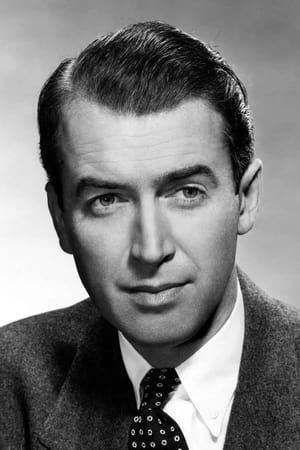
James Stewart
L.B. Jefferies

Grace Kelly
Lisa Fremont

Wendell Corey
Thomas Doyle

Thelma Ritter
Stella

Raymond Burr
Lars Thorwald

Judith Evelyn
Miss Lonelyhearts

Ross Bagdasarian
Songwriter

Georgine Darcy
Miss Torso
Movie Information
| IMDb Rating | 8.5 |
| Genre | Drama, Mystery, Thriller |
| Runtime | 112 min |
| Director | Alfred Hitchcock |
| Writer | John Michael Hayes, Cornell Woolrich |
| Actors | James Stewart, Grace Kelly, Wendell Corey |
| Language | English |
| Country | United States |
| Awards | Nominated for 4 Oscars. 7 wins & 14 nominations total |
| Released | 01 Sep 1954 |
Cast Performance
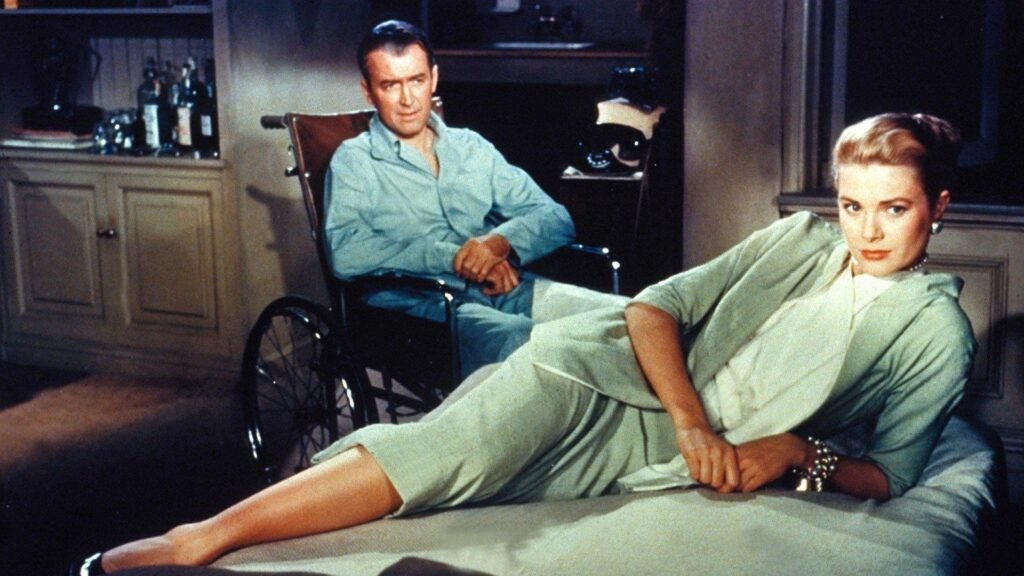
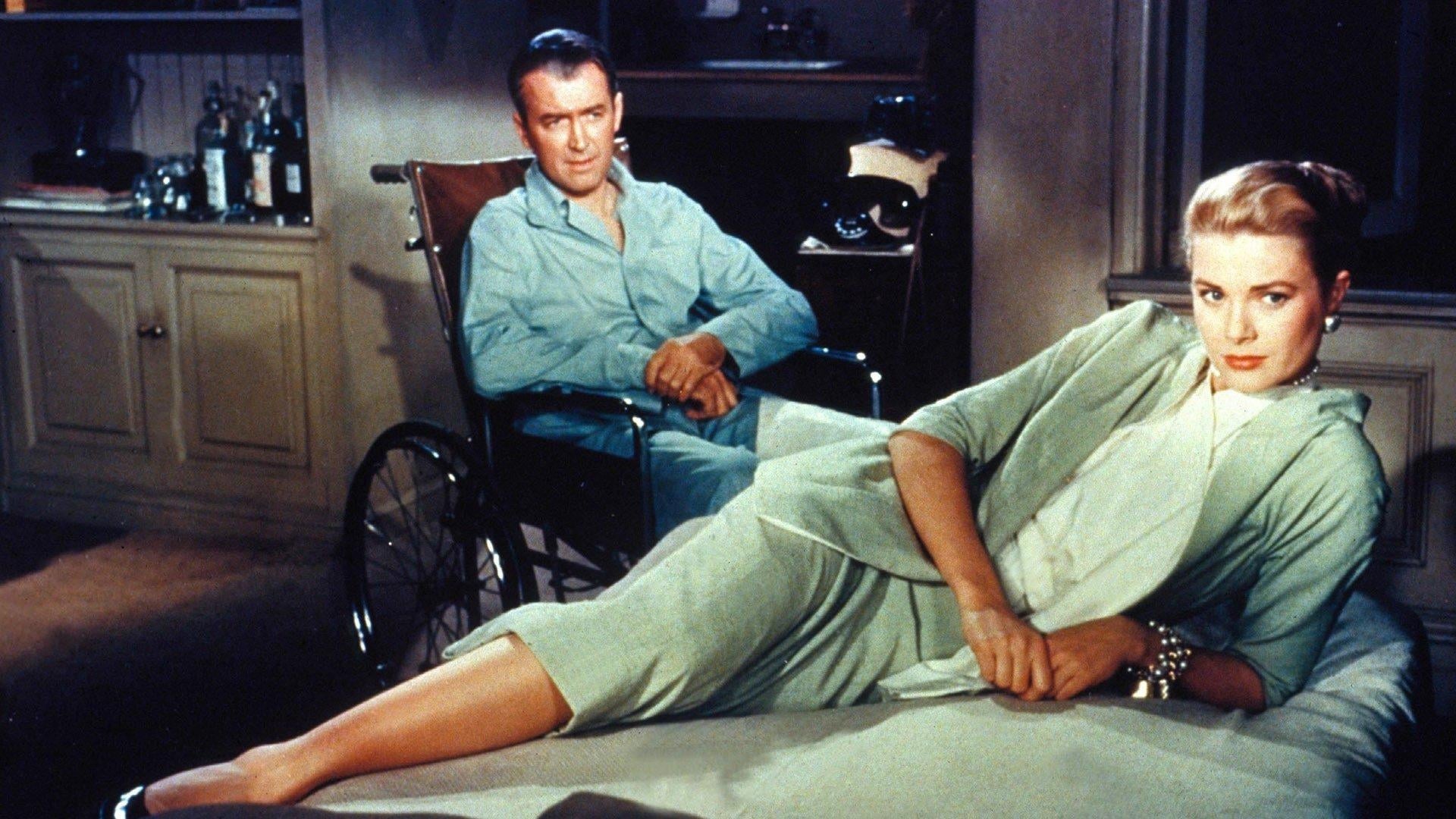
The success of "Rear Window" is largely indebted to the impeccable performances delivered by its lead actors, James Stewart and Grace Kelly. James Stewart, as the house-bound photographer L.B. Jeffries, masterfully conveys a complex blend of boredom, frustration, and growing paranoia from his wheelchair. His expressions alone often speak volumes, drawing the audience into his internal world and deepening the suspense.
Grace Kelly shines as Lisa Fremont, Jeffries' sophisticated and devoted girlfriend, who initially dismisses his suspicions but eventually becomes a vital, active participant in his amateur detective work. Their on-screen chemistry provides a compelling dynamic, blending romance with the escalating tension. The supporting cast also delivers memorable performances, adding rich texture to the diverse apartment building and enhancing the film's vivid realism.
Cinematography
The cinematography in "Rear Window," handled by the brilliant Robert Burks, is nothing short of revolutionary and integral to the film's enduring appeal. Confined almost entirely to a single apartment set, Burks skillfully uses the camera to create a sense of both intimacy and vastness within the enclosed courtyard. Every camera angle and movement is meticulously crafted to reflect Jeffries' limited point of view, immersing the audience in his isolated world.
Long shots across the courtyard reveal snippets of various lives, while close-ups intensify Jeffries' observations and suspicions. The careful lighting and framing not only highlight crucial details but also build a palpable atmosphere of suspense and voyeurism. This masterful visual storytelling ensures that the film remains visually compelling and spatially inventive, despite its restrictive setting.
Soundtrack
Alfred Hitchcock took an unconventional yet highly effective approach to the "Rear Window" soundtrack, largely foregoing a traditional orchestral score in favor of diegetic sounds. The film's aural landscape is primarily composed of the cacophony of everyday life emanating from the courtyard, which plays a crucial role in character development and plot progression. We hear snippets of conversations, fragments of music from various apartments, and the distinct sounds of city living.
This deliberate use of ambient noise not only grounds the film in realism but also serves to heighten the sense of voyeurism and auditory eavesdropping. It forces the audience to listen closely, just as Jeffries does, to discern clues and understand the lives of the neighbors. The sound design acts as an auditory tapestry, enhancing the tension and drawing viewers deeper into the unfolding drama, proving that sometimes, less is truly more.
Review
"Rear Window" is an undisputed masterpiece that transcends its genre, offering a profound exploration of human nature and the ethics of observation. Hitchcock's direction is a clinic in suspense, slowly ratcheting up the tension without resorting to cheap scares. The narrative is incredibly tightly wound, demonstrating how a simple premise can yield complex psychological depth and thrilling twists.
Beyond its gripping plot, the film's lasting power comes from its insightful commentary on urban alienation and the universal impulse to peer into others' lives. It challenges viewers to question their own complicity in voyeurism while delivering a truly unforgettable cinematic experience. "Rear Window" remains as relevant and captivating today as it was seven decades ago, cementing its status as a timeless classic.
Box Office
"Rear Window" was a significant commercial success upon its release, further cementing Alfred Hitchcock's reputation as a master filmmaker and a bankable director. The film's compelling story and star power proved to be a winning combination, drawing large audiences to theaters. Its financial success was a testament to Hitchcock's ability to craft popular thrillers that resonated widely with the public.
The film's strong box office performance helped secure its place as one of the highest-grossing films of 1954, contributing to its enduring legacy. This critical and commercial triumph ensured that "Rear Window" would be remembered not just for its artistic merit, but also for its substantial impact on the film industry of its era. It proved that intelligent, suspenseful storytelling could also be highly profitable.
Awards
"Rear Window" garnered significant critical acclaim and received several prestigious nominations, underscoring its excellence across various filmmaking disciplines. The film was recognized at the 27th Academy Awards with four nominations, including Best Director for Alfred Hitchcock, Best Screenplay for John Michael Hayes, Best Cinematography for Robert Burks, and Best Art Direction.
While it didn't take home any Oscars, these nominations highlight the film's high artistic and technical quality as perceived by the industry. Its enduring reputation and frequent appearances on 'greatest films' lists serve as a testament to its lasting impact, proving that its true awards are the generations of audiences it has captivated and inspired. The film's legacy far surpasses any single trophy.
Who Should Watch This Movie?
Anyone with an appreciation for classic cinema, psychological thrillers, or meticulously crafted suspense films should absolutely watch "Rear Window." It's a perfect choice for those who enjoy a slow-burn mystery that relies on intelligent storytelling and character development rather than gratuitous action. Fans of Alfred Hitchcock's other works will find this a quintessential example of his genius.
Moreover, students of film or anyone interested in the art of cinematography and sound design will find much to study and admire in its innovative techniques. If you're looking for a thought-provoking movie that sparks discussion about observation, privacy, and human connection, "Rear Window" offers an unparalleled viewing experience. It's a timeless film that appeals to a broad spectrum of movie lovers.
Frequently Asked Questions
What is the main premise of the movie "Rear Window"?
"Rear Window" tells the story of L.B. Jeffries, a professional photographer confined to his apartment with a broken leg. He passes the time by observing his neighbors across the courtyard, eventually believing he has witnessed a murder.
Who directed the classic film "Rear Window"?
The iconic suspense film "Rear Window" was directed by the legendary master of suspense, Alfred Hitchcock. His distinctive style and vision are evident throughout the entire movie.
What makes "Rear Window" a significant film in cinema history?
It's significant for its innovative use of a single setting, its exploration of voyeurism and isolation, and its masterful build-up of suspense without relying on overt action. Its tight narrative and psychological depth make it a cinematic masterpiece.
Who are the lead actors in "Rear Window"?
The main roles in "Rear Window" are played by James Stewart as L.B. Jeffries and Grace Kelly as Lisa Fremont. Their compelling performances and chemistry are central to the film's enduring appeal.
Where does the majority of the story in "Rear Window" take place?
The vast majority of the story in "Rear Window" unfolds within L.B. Jeffries' apartment and the view he has of the courtyard and surrounding apartments. This confined setting is crucial to the film's unique tension.
Official Trailer
You May Also Like

We Got Lucky
2016
⭐ 0.0

Cocote Tonggo
2025
⭐ 6.0

DUTY?
2025
⭐ 0.0

Julia
1999
⭐ 3.9

The Dollhouse
⭐ 0.0

Kiss Me Thru The Phone
2025
⭐ 10.0
Related Movies
Conclusion
In summary, "Rear Window" remains an iconic piece of cinematic art, a testament to Alfred Hitchcock's unparalleled skill in crafting suspense and probing the depths of human curiosity. Its innovative use of a confined setting, combined with brilliant performances and a masterfully constructed narrative, ensures its place in film history. The film continues to intrigue and challenge audiences, inviting them to question their own roles as observers.
Its themes of voyeurism, isolation, and the thrill of discovery are as potent today as they were decades ago, making it a truly timeless classic. For an unforgettable journey into the heart of suspense and psychological drama, "Rear Window" is an essential watch that continues to influence filmmakers and captivate viewers worldwide.
Learn more about Rear Window on TMDB.