
Pulp Fiction (1994) Movie Guide | Cast, Story, Review, Ending Explained & Where to Watch
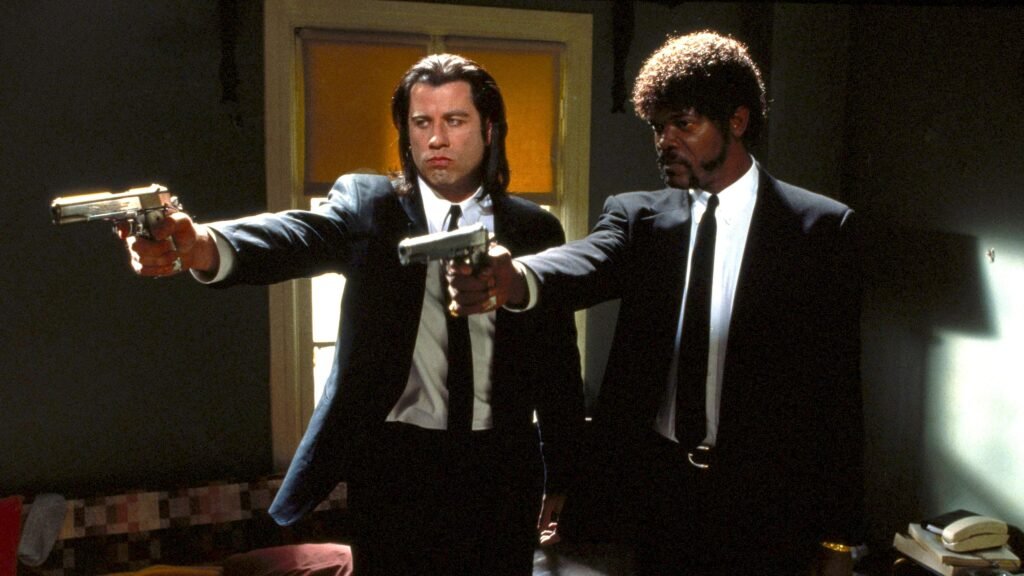
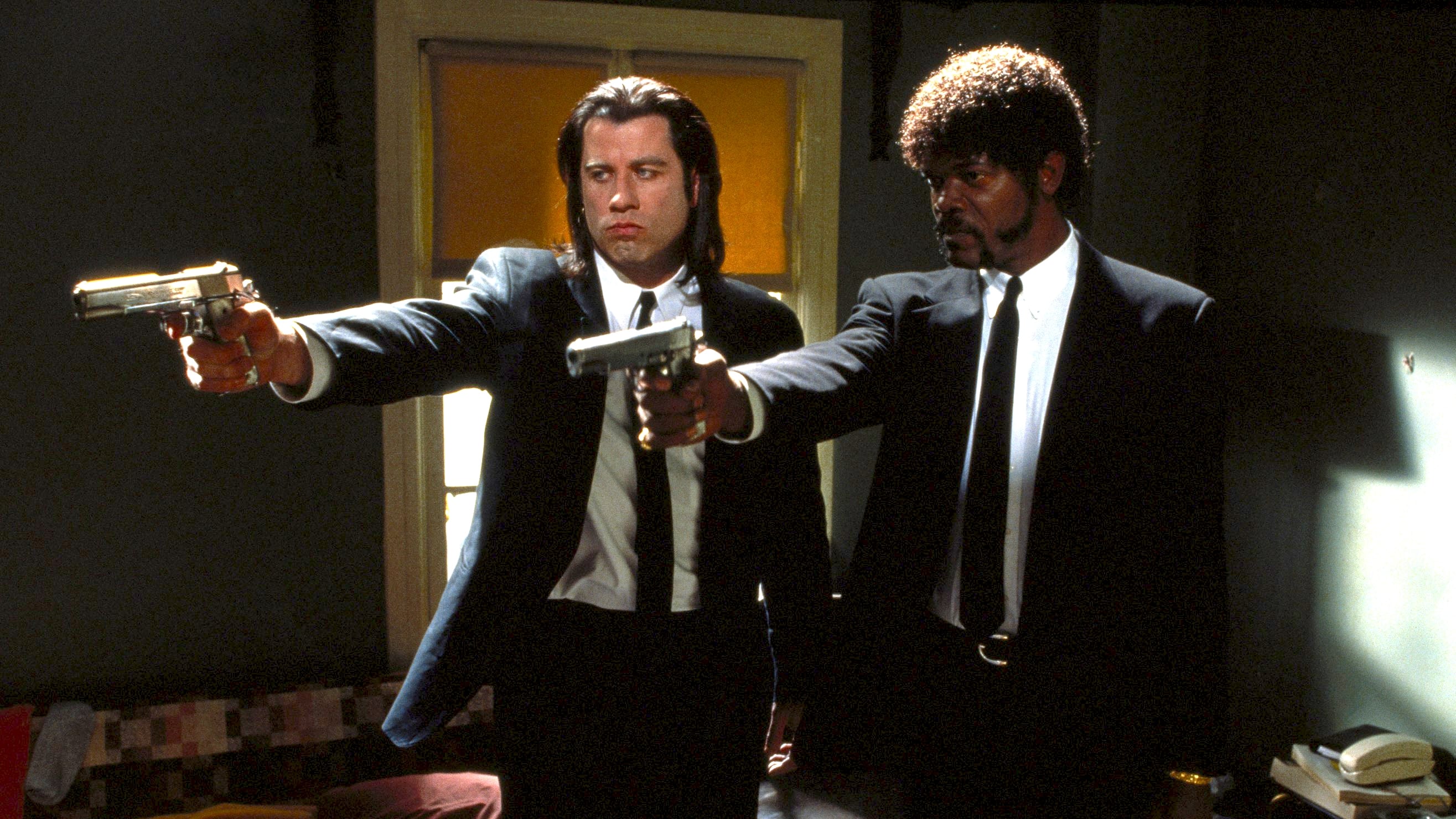

Pulp Fiction (1994)
⭐ IMDb Rating: 8.8
🎭 Genre: Crime, Drama
⏱ Runtime: 154 min
🎬 Director: Quentin Tarantino
📅 Released: 14 Oct 1994
🌍 Country: United States
Introduction
Stepping out of the shadow of its independent film roots, Quentin Tarantino’s 1994 masterpiece, "Pulp Fiction," didn't just break the mold; it redefined what a modern crime film could be. More than a movie, it's a cultural phenomenon, an electrifying jolt to the cinematic landscape that continues to resonate decades later. With its distinctive non-linear narrative, unforgettable characters, and endlessly quotable dialogue, "Pulp Fiction" rocketed into the public consciousness, earning critical acclaim and a devoted global following. This isn't just a film; it's an experience, a vibrant tapestry woven with dark humor, unexpected turns, and a style so audacious it carved its own indelible mark in film history. Prepare to dive into the world of hitmen, boxers, and a gangster's wife, where every moment is meticulously crafted for maximum impact. "Pulp Fiction" isn't merely a watch; it's an essential cultural touchstone that demands your attention.
Story
At its heart, "Pulp Fiction" weaves a trio of interconnected tales set within the gritty Los Angeles underworld, each brimming with moral ambiguity and unexpected twists. The film masterfully juggles these narratives, presenting them out of chronological order, a daring structural choice that became one of its most celebrated trademarks. Audiences are introduced to hitmen Jules Winnfield and Vincent Vega, whose philosophical discussions are as deadly as their work; the enigmatic mob boss's wife, Mia Wallace, who finds herself on an unforgettable outing with Vincent; and aging boxer Butch Coolidge, whose refusal to throw a fight sets off a chain of dangerous events. While the specific outcomes are best discovered by watching, the film brilliantly explores themes of redemption, fate, and the unpredictable nature of life and death, all while maintaining a signature blend of intense drama and darkly comedic moments. It's a journey into the lives of criminals, where everyday conversations hold profound weight and every decision has far-reaching consequences.
Main Cast
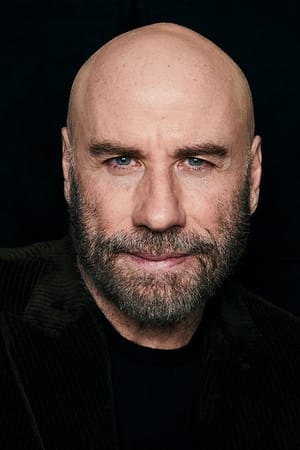
John Travolta
Vincent Vega

Samuel L. Jackson
Jules Winnfield

Uma Thurman
Mia Wallace

Bruce Willis
Butch Coolidge

Ving Rhames
Marsellus Wallace

Harvey Keitel
The Wolf
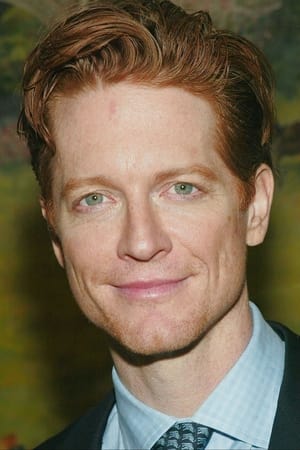
Eric Stoltz
Lance

Tim Roth
Pumpkin
Movie Information
| IMDb Rating | 8.8 |
| Genre | Crime, Drama |
| Runtime | 154 min |
| Director | Quentin Tarantino |
| Writer | Quentin Tarantino, Roger Avary |
| Actors | John Travolta, Uma Thurman, Samuel L. Jackson |
| Language | English, Spanish, French |
| Country | United States |
| Awards | Won 1 Oscar. 69 wins & 72 nominations total |
| Released | 14 Oct 1994 |
Cast Performance
The ensemble cast of "Pulp Fiction" delivered performances that weren't just memorable, but career-defining, breathing vibrant life into Tarantino's eccentric characters. John Travolta, in a career-revitalizing turn as hitman Vincent Vega, perfectly captures a blend of cool demeanor and laid-back drug-induced haze, reminding the world of his effortless charisma. Opposite him, Samuel L. Jackson solidified his status as an iconic figure with his portrayal of Jules Winnfield, whose philosophical musings and explosive delivery became legendary. Uma Thurman, as the enigmatic Mia Wallace, is captivating, bringing a cool sophistication and underlying vulnerability to her role that perfectly complements the film's stylish aesthetic. Bruce Willis sheds his action hero persona to deliver a nuanced, compelling performance as boxer Butch Coolidge, adding unexpected depth to the proceedings. The chemistry among the entire cast, including Harvey Keitel, Tim Roth, Amanda Plummer, and Christopher Walken, is palpable, creating a tapestry of authentic and unforgettable character interactions that elevate the film to legendary status.
Cinematography
"Pulp Fiction" boasts a visual language as distinct and revolutionary as its narrative structure, masterfully crafted by cinematographer Andrzej Sekuła. The film eschews conventional aesthetics for a raw, vibrant, and stylish approach that perfectly complements Tarantino's vision. Sekuła's work is characterized by bold, sometimes jarring, camera angles that plunge the audience directly into the characters' world, most famously the iconic 'trunk shot' that has since become a cinematic homage. The use of long takes creates an immersive, almost voyeuristic experience, allowing scenes to unfold with a natural rhythm, emphasizing the potent dialogue. From the stark, gritty realism of some settings to the vibrant, almost neon-lit glow of others, the lighting and color palette are deliberately chosen to enhance mood and underscore character dynamics. This visual flair isn't just for show; it's integral to the storytelling, adding layers of tension, humor, and an unmistakable cool factor that cemented "Pulp Fiction"'s place in cinematic history.
Soundtrack
The soundtrack of "Pulp Fiction" isn't merely background music; it's a character unto itself, an eclectic and iconic collection that perfectly encapsulates the film's edgy, cool, and timeless appeal. Tarantino, known for his masterful use of music, curated a mix of forgotten surf rock, soulful R&B, classic rock, and pop obscurities that injects every scene with palpable energy and unmistakable style. Tracks like Dick Dale's "Misirlou" instantly set the tone, becoming synonymous with the film's opening sequence, while Chuck Berry's "You Never Can Tell" transforms a simple dance scene into one of cinema's most memorable moments. Far from being an afterthought, each song is meticulously chosen to underscore emotion, build tension, or provide a stark, ironic counterpoint to the on-screen violence and dark humor. The "Pulp Fiction" soundtrack became a standalone best-seller, reintroducing classic artists to a new generation and demonstrating the profound power of music in cinematic storytelling, cementing its legendary status.
Review
Upon its release, "Pulp Fiction" was met with widespread critical acclaim, lauded for its audacious originality, razor-sharp dialogue, and groundbreaking narrative structure. Critics praised Quentin Tarantino's fearless direction, which blended dark humor, stylized violence, and philosophical musings into a cohesive, exhilarating whole. The film was celebrated for revitalizing the crime genre, injecting it with a postmodern sensibility that eschewed traditional Hollywood tropes. Its non-linear storytelling was particularly noted, influencing countless films that followed. Reviewers highlighted the powerful performances from its ensemble cast, particularly Samuel L. Jackson and John Travolta, who delivered some of their most iconic work. While some found its violence controversial, most recognized it as an integral part of its unique artistic vision. "Pulp Fiction" wasn't just reviewed; it was analyzed, debated, and ultimately enshrined as a cinematic touchstone, frequently appearing on 'greatest films of all time' lists and maintaining its formidable reputation decades later.
Box Office
"Pulp Fiction" proved to be an unexpected commercial juggernaut, defying the odds for an independent, R-rated film with a non-linear narrative. Produced on a modest budget of around $8 million, it went on to gross over $213 million worldwide, a staggering return on investment that solidified its status as a massive box office success. This financial triumph demonstrated that original, unconventional cinema could resonate deeply with mainstream audiences and achieve widespread profitability without conforming to typical Hollywood formulas. Its strong performance at the box office not only launched Quentin Tarantino into the directorial stratosphere but also showcased the market viability of independent films, paving the way for a new wave of innovative storytelling in the years that followed. The film's commercial success was a testament to its broad appeal, strong word-of-mouth, and cultural impact, turning it into a phenomenon far beyond what its initial budget might have suggested.
Awards
"Pulp Fiction" garnered a trove of prestigious awards and nominations, cementing its place as a critically acclaimed masterpiece. Its crowning achievement came at the 1994 Cannes Film Festival, where it famously won the coveted Palme d'Or, the festival's highest honor, signaling its immediate international recognition and artistic significance. This victory propelled the film into the global spotlight and generated immense buzz leading up to the Academy Awards. At the 67th Academy Awards, "Pulp Fiction" received seven nominations, including Best Picture, Best Director for Quentin Tarantino, Best Actor for John Travolta, Best Supporting Actor for Samuel L. Jackson, and Best Supporting Actress for Uma Thurman. Ultimately, Tarantino and Roger Avary took home the Oscar for Best Original Screenplay, an undeniable testament to the film's groundbreaking narrative and unforgettable dialogue. Beyond these major accolades, it also secured numerous awards from critics' associations and film festivals worldwide, solidifying its legacy as one of the most celebrated films of its era.
Who Should Watch This Movie?
If you're someone who appreciates cinema that defies convention and isn't afraid to challenge traditional storytelling, "Pulp Fiction" is an absolute must-watch. This film is perfect for audiences who enjoy sharp, witty, and often philosophical dialogue, delivered by an iconic ensemble cast. Fans of non-linear narratives, where the puzzle pieces of a story slowly fall into place, will find its structure incredibly engaging. If you're drawn to dark humor, stylized violence, and a gritty portrayal of the criminal underworld that's more about character interaction than explicit action, then prepare to be captivated. Aspiring filmmakers, film students, and anyone interested in the evolution of modern cinema should also consider it essential viewing, given its immense influence on subsequent generations. It's a journey for those who seek unique cinematic experiences, bold artistic vision, and a film that stays with you long after the credits roll.
Frequently Asked Questions
Is Pulp Fiction a true story?
While "Pulp Fiction" is a work of fiction, it draws inspiration from classic pulp magazines and B-movies, particularly in its character archetypes and stylized dialogue. Quentin Tarantino's unique writing style gives the conversations a realistic, almost improvisational feel, making the characters and their interactions feel incredibly authentic, even if the specific events are entirely fictional.
Why is Pulp Fiction considered such an important film?
"Pulp Fiction" is considered important for several reasons: its groundbreaking non-linear narrative structure, its highly influential and quotable dialogue, the career-defining performances from its cast, and its eclectic soundtrack. It revitalized independent cinema, showcased Quentin Tarantino's unique directorial vision, and has profoundly influenced countless filmmakers and pop culture since its release, establishing new benchmarks for style and storytelling.
What genre does Pulp Fiction belong to?
"Pulp Fiction" primarily falls into the neo-noir and crime fiction genres, but it also heavily incorporates elements of black comedy, drama, and thriller. Its unique blend of dark humor, philosophical conversations, and stylized violence makes it difficult to pigeonhole into a single category, contributing to its distinct and innovative appeal.
Is Pulp Fiction suitable for all audiences?
No, "Pulp Fiction" is rated R for strong bloody violence, pervasive strong language, and drug content. It features mature themes, explicit dialogue, and scenes that may be disturbing to some viewers. It is intended for adult audiences and not recommended for children or those sensitive to its themes and graphic content.
How many main stories are interwoven in Pulp Fiction?
"Pulp Fiction" predominantly weaves together three main, interconnected storylines. These include: "Vincent Vega and Marsellus Wallace's Wife," "The Gold Watch," and "The Bonnie Situation." While presented out of chronological order, these narratives ultimately converge and influence one another, creating a complex and satisfying cinematic tapestry.
Official Trailer
You May Also Like
Se7en
1995
⭐ 8.4
Airplane!
1980
⭐ 7.3
An American Werewolf in London
1981
⭐ 7.4
Sleepers
1996
⭐ 7.6
Playing by Heart
1998
⭐ 6.6
Chinatown
1974
⭐ 7.9
Related Movies
Conclusion
More than just a film, "Pulp Fiction" remains an enduring cultural touchstone, a cinematic earthquake that reshaped the landscape of independent film and mainstream Hollywood alike. Quentin Tarantino’s audacious vision, brought to life by an unforgettable cast, an iconic soundtrack, and revolutionary storytelling, transcended its genre to become a global phenomenon. Its influence is still visible in countless films, TV shows, and pop culture references today, cementing its status as a masterpiece that continues to be discovered and re-evaluated by new generations. From its unforgettable dialogue to its stylish visual aesthetic, "Pulp Fiction" isn't just a movie to watch; it's an experience to be savored, discussed, and revisited time and time again. Its legacy as a bold, brilliant, and utterly unique piece of cinema is secure, ensuring its place in the pantheon of all-time great films.
To get more information check TMDB.