The Godfather (1972) Movie Guide | Cast, Story, Review, Ending Explained & Where to Watch
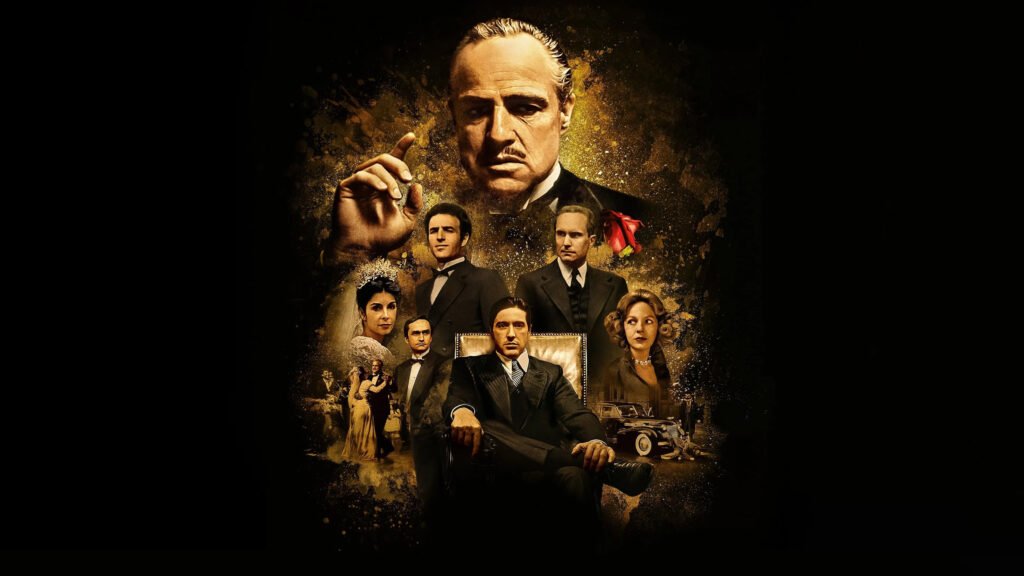
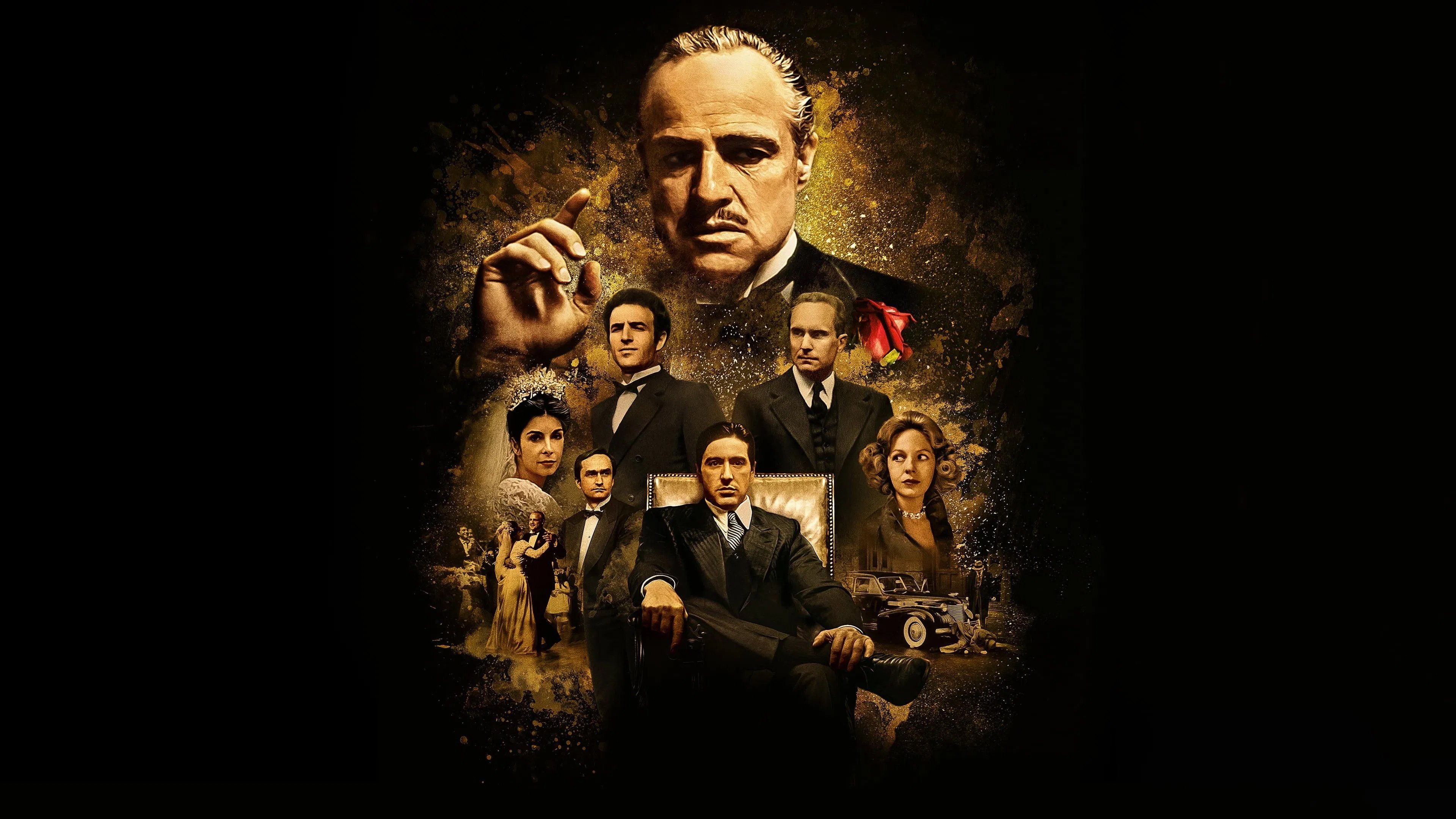

The Godfather (1972)
⭐ IMDb Rating: 9.2
🎭 Genre: Crime, Drama
⏱ Runtime: 175 min
🎬 Director: Francis Ford Coppola
📅 Released: 24 Mar 1972
🌍 Country: United States
Introduction
Few films have carved as deep a niche in cinematic history as Francis Ford Coppola's 1972 masterpiece, "The Godfather." More than just a crime drama, it's an epic tale of family, power, and the American dream twisted through the lens of organized crime.
From its unforgettable opening scene to its haunting conclusion, this movie redefined the gangster genre and set an unparalleled standard for filmmaking that continues to resonate with audiences worldwide.
Celebrating over five decades since its release, "The Godfather" remains a cultural touchstone, a film frequently cited in top cinematic lists, and a must-watch for anyone seeking to understand the power of storytelling on the big screen.
Its enduring appeal lies not just in its thrilling plot, but in its profound exploration of loyalty, betrayal, and the complex human condition. Prepare to delve into the world of the Corleone family, a saga that transcends time and genre.
Story
At its heart, "The Godfather" unfolds the intricate saga of the Corleone family, an influential Italian-American crime dynasty in post-World War II New York. The narrative centers on Vito Corleone, the stoic and powerful patriarch, and his youngest son, Michael, a decorated war hero initially eager to distance himself from the family's illicit dealings.
However, a series of tumultuous events, including an attempt on Vito's life, forces Michael to become increasingly entangled in the perilous world he once rejected. The film meticulously chronicles Michael's transformation from an outsider to a formidable, ruthless leader, exploring the moral compromises and personal sacrifices required to protect his family's legacy.
It's a gripping exploration of duty, honor, and the corrupting nature of power, told with a Shakespearean depth that avoids glorifying violence while dissecting its origins and consequences.The story’s genius lies in its ability to draw viewers into a complex world, making them understand the characters' motivations, even when their actions are morally ambiguous, without resorting to cheap sensationalism.
Main Cast

Marlon Brando
Don Vito Corleone

Al Pacino
Michael Corleone

James Caan
Sonny Corleone

Robert Duvall
Tom Hagen

Richard S. Castellano
Clemenza

Diane Keaton
Kay Adams

Talia Shire
Connie Corleone Rizzi

Gianni Russo
Carlo Rizzi
Movie Information
| IMDb Rating | 9.2 |
| Genre | Crime, Drama |
| Runtime | 175 min |
| Director | Francis Ford Coppola |
| Writer | Mario Puzo, Francis Ford Coppola |
| Actors | Marlon Brando, Al Pacino, James Caan |
| Language | English, Italian, Latin |
| Country | United States |
| Awards | Won 3 Oscars. 31 wins & 31 nominations total |
| Released | 24 Mar 1972 |
Cast Performance
The iconic performances in "The Godfather" are nothing short of legendary, setting a benchmark for acting excellence. Marlon Brando delivers an indelible portrayal of Don Vito Corleone, imbuing the aging patriarch with a quiet gravitas, subtle menace, and unexpected tenderness that earned him an Academy Award.
His every gesture and whisper contributes to the character's formidable presence, making him one of cinema's most memorable figures. Al Pacino, as Michael Corleone, charts a breathtaking arc from an innocent war hero to a hardened, calculating leader, a transformation conveyed with chilling precision and intensity.
James Caan brings explosive energy to the hot-headed Sonny Corleone, while Robert Duvall provides a calming, intellectual presence as the consigliere, Tom Hagen. Diane Keaton, as Kay Adams, offers a crucial outside perspective into the Corleone's insulated world.
Together, this ensemble creates a tapestry of deeply human, flawed characters, making their struggles and triumphs resonate with profound authenticity.
Cinematography
The visual language of "The Godfather" is as crucial to its impact as its script and performances, largely thanks to the masterful cinematography by Gordon Willis. Known as the 'Prince of Darkness,' Willis employed a revolutionary low-key lighting scheme, casting many scenes in deep shadows and rich, earthy tones that evoke a sense of foreboding and moral ambiguity.
This distinctive visual style perfectly mirrors the clandestine world of the Corleone family, where secrets and danger lurk in every corner. The use of chiaroscuro lighting, contrasting bright highlights with deep shadows, sculpts faces and environments, giving the film a painterly quality.
This artistic choice not only enhances the dramatic tension but also visually isolates characters, emphasizing their internal struggles and the heavy burden of their choices. Willis's work in "The Godfather" set a new standard for atmospheric storytelling through light and shadow, influencing countless filmmakers for decades to come and solidifying its place as a visually stunning cinematic achievement.
Soundtrack
Nino Rota's unforgettable score for "The Godfather" is inextricably woven into the film's fabric, becoming synonymous with its emotional landscape and cultural identity. The main theme, a haunting waltz often referred to as 'Speak Softly, Love,' is instantly recognizable and perfectly captures the melancholy, romance, and underlying threat of the Corleone family's world.
Rota's compositions are infused with a rich Italian-American sensibility, utilizing instruments like the accordion and mandolin to evoke a sense of tradition and nostalgia, even amidst scenes of brutal violence. The music beautifully underscores the film's dramatic moments, from the solemnity of family weddings to the tension of power struggles, without ever overshadowing the narrative.
It adds layers of emotional depth, vulnerability, and grandeur to the epic tale, solidifying its place as one of the most iconic and influential film scores of all time. The soundtrack isn't just background noise; it's a character in itself, guiding the audience through the Corleone's complex journey.
Review
"The Godfather" stands as an undisputed titan of cinema, a film that continues to earn universal acclaim and captivate new generations of viewers. Critics laud its intricate narrative, psychological depth, and unflinching portrayal of power and family dynamics. Francis Ford Coppola's masterful direction orchestrates every element – from the impeccable script co-written with Mario Puzo to the stellar ensemble cast – into a cohesive, breathtaking whole.
It’s a film that transcends the crime genre, offering profound insights into the nature of ambition, loyalty, and the corrupting influence of unchecked authority. Its deliberate pacing allows for rich character development, making the audience deeply invested in the Corleone's fate.
"The Godfather" is more than just entertainment; it's a profound cultural commentary that has cemented its legacy as one of the greatest films ever made, influencing countless movies and television shows that followed. Its enduring power lies in its timeless themes and its unparalleled artistic execution.
Box Office
Upon its release in 1972, "The Godfather" wasn't just a critical darling; it was also a massive commercial phenomenon, shattering box office records and becoming the highest-grossing film of its time. With an initial budget of around $6-7 million, the movie went on to gross over $250 million worldwide during its original theatrical run, an astronomical figure for its era.
This unprecedented financial success solidified its status as a cultural behemoth and demonstrated that complex, character-driven dramas could also be immense commercial hits. Its popularity sparked a renewed interest in the crime genre and proved that audiences were eager for sophisticated storytelling that challenged their perceptions.
The film's overwhelming box office performance helped cement Paramount Pictures' status as a major player and set the stage for its equally successful sequels. "The Godfather's" commercial triumph underscored its universal appeal and its ability to connect with a vast, diverse audience, transcending cinematic boundaries.
Awards
"The Godfather's" undeniable artistic merit was recognized with a shower of prestigious accolades, cementing its place in cinematic history. It was nominated for an impressive eleven Academy Awards, ultimately taking home three of the most coveted statues. The film rightfully won the Oscar for Best Picture, a testament to its overall excellence and groundbreaking impact.
Francis Ford Coppola and Mario Puzo were honored with the Best Adapted Screenplay award for their brilliant adaptation of Puzo's novel, praised for its intricate plotting and unforgettable dialogue. Perhaps most famously, Marlon Brando earned the Best Actor Oscar for his iconic portrayal of Don Vito Corleone, a performance that redefined acting in a leading role.
These significant wins underscore the film's exceptional quality across multiple categories, highlighting its contributions to direction, writing, and performance. Its recognition by the Academy solidified its status as a timeless masterpiece, influencing future generations of filmmakers and actors alike.
Who Should Watch This Movie?
If you're a cinephile, a student of classic cinema, or simply someone who appreciates masterful storytelling, "The Godfather" is an absolute essential. This film is highly recommended for anyone interested in complex character studies, epic family sagas, or the evolution of the crime drama genre.
Viewers who enjoy meticulously crafted narratives, rich thematic depth, and unparalleled acting performances will find themselves captivated by the Corleone family's journey. It's not merely a gangster movie; it's a profound exploration of power, loyalty, morality, and the human cost of ambition. Anyone looking for a film that challenges, entertains, and stays with them long after the credits roll should prioritize watching "The Godfather."
It's a cornerstone of American cinema that offers endless layers for discussion and appreciation, regardless of your typical movie preferences. Experience a true cinematic legend.
Frequently Asked Questions
Is 'The Godfather' based on a true story?
While 'The Godfather' is a fictional story, author Mario Puzo drew inspiration from real-life organized crime families and events of the American Mafia during the mid-20th century to create its authentic atmosphere and character dynamics.
It is not a direct recounting of any specific real-world individuals or incidents, but rather a richly imagined narrative rooted in historical context.
How many 'Godfather' movies are there in the main series?
There are three films in the main 'Godfather' saga: 'The Godfather' (1972), 'The Godfather Part II' (1974), and 'The Godfather Part III' (1990). Each film continues the epic story of the Corleone family, with Part II often considered a masterpiece in its own right, and Part III bringing the saga to a conclusion.
Why is 'The Godfather' considered one of the greatest films ever made?
'The Godfather' is lauded for its exceptional storytelling, groundbreaking direction by Francis Ford Coppola, iconic performances from its cast (especially Marlon Brando and Al Pacino), masterful cinematography by Gordon Willis, and an unforgettable score by Nino Rota.
It delves deeply into themes of family, power, loyalty, and the American Dream, creating a profound and universally resonant narrative that redefined the crime drama genre.
What genre does 'The Godfather' primarily belong to?
'The Godfather' is primarily categorized as a crime drama and an epic family saga. While it features elements commonly associated with gangster films, its depth of character, intricate plot, and focus on familial relationships elevate it beyond a simple genre piece into a profound exploration of human nature and societal structures.
Can I watch 'The Godfather' as a standalone film, or do I need to see sequels?
Absolutely, 'The Godfather' can be fully appreciated as a standalone film. It tells a complete and compelling story with a clear beginning, middle, and end.
While its sequels expand upon the Corleone family's narrative, the first film stands on its own as a perfect cinematic experience. Many viewers watch and rewatch only the original, satisfied by its singular brilliance.
Official Trailer
You May Also Like
Silvery Wind
1956
⭐ 6.1

The Dimension Travelers
1998
⭐ 7.0

Appointment with Death
1988
⭐ 6.1
Eat the Rich
1987
⭐ 6.2

Motherhood
2022
⭐ 7.4
The Sicilian Clan
1969
⭐ 7.6
Related Movies
Conclusion
In conclusion, "The Godfather" is more than just a movie; it's a monumental cultural artifact that continues to exert its influence on cinema and popular culture. Francis Ford Coppola's epic vision, combined with an unparalleled cast, breathtaking cinematography, and an iconic score, created a work of art that transcends its genre.
Its exploration of timeless themes like family, power, and morality ensures its relevance for every new generation of viewers. From its record-breaking box office success to its numerous Academy Awards, its impact is undeniable.
"The Godfather" is not just a film you watch; it's an experience that deeply resonates, prompting reflection on human nature and the complexities of loyalty and betrayal. If you haven't yet embarked on this cinematic journey, or if it's been too long since your last visit to the Corleone family, now is the perfect time to witness a true masterpiece of filmmaking that continues to stand the test of time.
For official information check TMDB.