
Fight Club (1999) Movie Guide | Cast, Story, Review, Ending Explained & Where to Watch

Fight Club (1999)
⭐ IMDb Rating: 8.8
🎭 Genre: Crime, Drama, Thriller
⏱ Runtime: 139 min
🎬 Director: David Fincher
📅 Released: 15 Oct 1999
🌍 Country: United States, Germany
Introduction
More than two decades after its initial release, David Fincher's "Fight Club" (1999) remains an incendiary and deeply influential cinematic experience. This film isn't just a movie; it's a cultural touchstone that ignited fervent discussions, challenged societal norms, and etched itself into the annals of modern cinema as a quintessential cult classic. Starring Edward Norton, Brad Pitt, and Helena Bonham Carter, "Fight Club" transcends typical genre classifications, weaving together elements of psychological thriller, dark comedy, and profound social commentary. Its distinctive visual style, unforgettable performances, and a narrative that dares to question the very fabric of consumerism and masculinity have ensured its enduring relevance. Prepare to delve into a movie that continues to provoke, entertain, and inspire analysis, proving why its legacy is far from settled.
Story
At its core, "Fight Club" introduces audiences to an insomniac, anonymous protagonist, expertly portrayed by Edward Norton, who feels trapped in the monotonous cycle of a soul-crushing corporate job and an existence defined by material possessions. His life is a bland tapestry of IKEA furniture and corporate jargon, leading to a profound sense of disillusionment and existential dread. A chance encounter with the charismatic and enigmatic Tyler Durden, brought to life by Brad Pitt, shatters this complacent routine. Together, they form an underground fighting club – a raw, primal outlet for men seeking release from modern societal pressures. As Fight Club grows, evolving beyond mere pugilistic encounters, the film explores themes of identity, rebellion against consumer culture, and the search for authentic selfhood in a world that often feels hollow. The narrative expertly navigates the protagonist's escalating journey, keeping viewers on the edge of their seats without revealing its shocking twists.
Main Cast

Edward Norton
Narrator

Brad Pitt
Tyler Durden

Helena Bonham Carter
Marla Singer

Meat Loaf
Robert Paulson

Jared Leto
Angel Face

Zach Grenier
Richard Chesler (Regional Manager)

Holt McCallany
The Mechanic

Eion Bailey
Ricky
Movie Information
| IMDb Rating | 8.8 |
| Genre | Crime, Drama, Thriller |
| Runtime | 139 min |
| Director | David Fincher |
| Writer | Chuck Palahniuk, Jim Uhls |
| Actors | Brad Pitt, Edward Norton, Meat Loaf |
| Language | English |
| Country | United States, Germany |
| Awards | Nominated for 1 Oscar. 12 wins & 38 nominations total |
| Released | 15 Oct 1999 |
Cast Performance
The casting in "Fight Club" is nothing short of masterful, with its lead actors delivering career-defining performances that are intrinsically linked to the film's lasting impact. Edward Norton embodies the unnamed narrator with a palpable sense of alienation and a simmering internal conflict, perfectly capturing the angst of a generation. His gradual transformation is both unsettling and compelling, drawing the audience deep into his psychological turmoil. Brad Pitt, as the charismatic and anarchic Tyler Durden, exudes an effortless cool and magnetic intensity, making him an iconic figure of rebellion and unconventional wisdom. His performance is a tour de force, embodying the film's provocative spirit. Helena Bonham Carter rounds out the trio as Marla Singer, a cynical and unconventional woman who adds another layer of complexity to the protagonist's already fragmented world. Her raw, unapologetic portrayal provides an essential counterbalance, making the interactions between the three leads crackle with an undeniable, volatile chemistry.
Cinematography
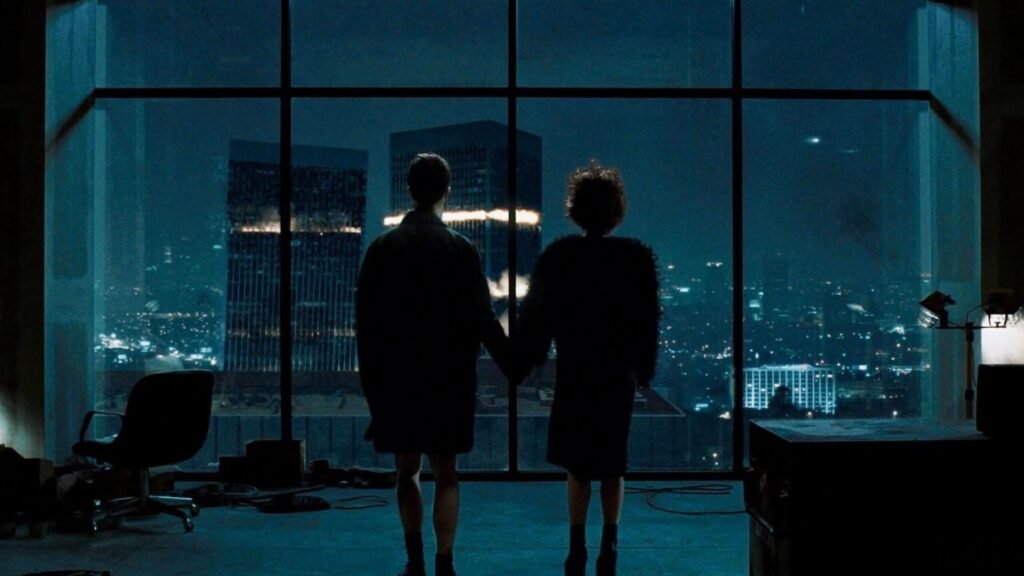
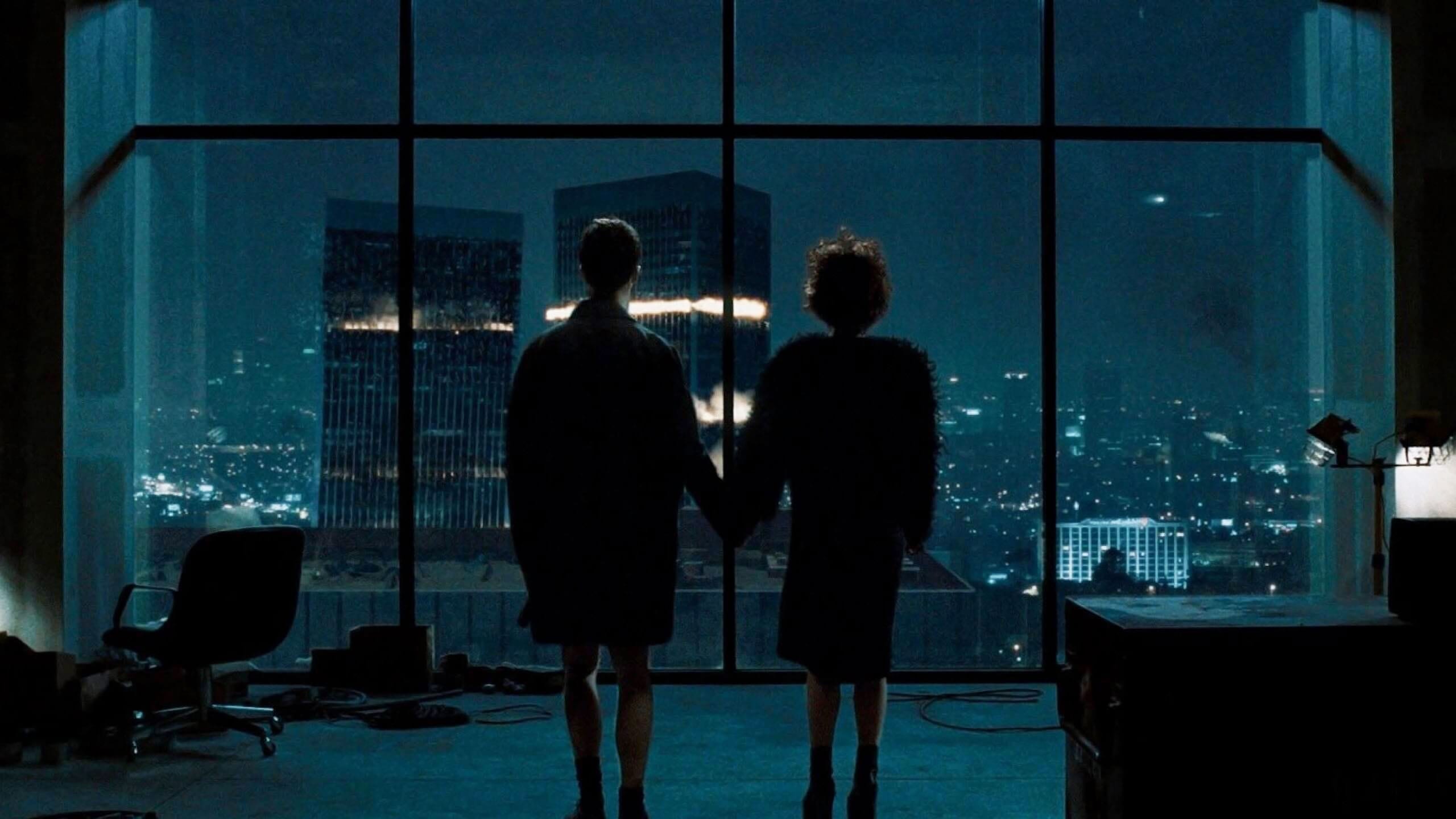
David Fincher's meticulous directorial vision is perhaps nowhere more evident than in the groundbreaking cinematography of "Fight Club." From the opening sequence, the film establishes a distinct, often unsettling visual language that perfectly complements its dark and subversive themes. Cinematographer Jeff Cronenweth, working closely with Fincher, crafted a gritty, desaturated palette that mirrors the protagonist's monotonous existence and the grimy underworld he discovers. Innovative camera techniques, including seamless CGI transitions, rapid-fire cuts, and an audacious use of internal monologues, plunge the viewer directly into the narrator's fractured psyche. Every frame is carefully composed, contributing to the film's hypnotic rhythm and psychological depth. This bold and experimental approach to visual storytelling elevates "Fight Club" beyond a mere narrative, transforming it into an immersive, sensory experience that continues to influence filmmakers today.
Soundtrack
The aural landscape of "Fight Club" is as distinctive and unconventional as its visual style, largely thanks to the brilliant score composed by The Dust Brothers. Known for their pioneering work in electronic music and sampling, the duo crafted a soundtrack that perfectly encapsulates the film's industrial, chaotic, and often unsettling atmosphere. Eschewing traditional orchestral arrangements, the score relies heavily on percussive beats, distorted samples, and electronic textures, creating a raw, energetic pulse that drives the narrative forward. Tracks like "Who Is Tyler Durden?" and "This Is Your Life" become synonymous with the film's rebellious spirit, enhancing its psychological tension and anarchic energy. The soundtrack doesn't just accompany the visuals; it becomes an integral part of the storytelling, deepening the audience's immersion into the protagonist's descent and the world of Fight Club. It's an iconic score that stands on its own, yet is inseparable from the movie's identity.
Review
"Fight Club" is a cinematic sledgehammer, a film that arrived like a shockwave and continues to reverberate through popular culture. David Fincher masterfully crafts a narrative that is both intellectually stimulating and viscerally engaging, challenging viewers to question their own realities and societal conditioning. Its blend of dark humor, psychological introspection, and raw social critique makes it a truly unique entry in film history. While initially polarizing, its critical re-evaluation has cemented its status as a daring and essential piece of filmmaking. The performances are captivating, the direction is audacious, and the themes are as relevant today as they were over two decades ago. It's a film that demands multiple viewings, each time revealing new layers of meaning and challenging preconceived notions. For those seeking more than mere entertainment, "Fight Club" offers a profound, unforgettable journey into the darker corners of the human psyche and modern society.
Box Office
Upon its initial release in 1999, "Fight Club" faced a rather contentious reception, and its box office performance reflected this divisiveness. Despite the star power of Brad Pitt and Edward Norton, and the critical acclaim that would later emerge, the film struggled to break even during its theatrical run. With a production budget estimated around $63 million, it grossed approximately $37 million domestically and ultimately $101 million worldwide. These figures were considered underwhelming for a high-profile release of its caliber. Many critics and audiences found its themes too dark, violent, or nihilistic for mainstream tastes at the time, leading to a modest initial commercial impact. However, this perceived box office failure was dramatically overturned in the years that followed, as "Fight Club" found its true audience through DVD sales and word-of-mouth, transforming into one of the most celebrated and analyzed cult classics of all time.
Awards
Despite its eventual cult status and enduring critical acclaim, "Fight Club" was largely overlooked during the major awards season following its 1999 release. The film received only two Academy Award nominations: one for Best Sound Effects Editing and another for its visually stunning cinematography. While it didn't secure any wins at the Oscars, this limited recognition often highlights how ahead of its time the film was, challenging conventional sensibilities that often dominate awards committees. Over the years, however, its reputation has grown immensely, earning it numerous accolades from film critics' associations and frequently appearing on lists of the greatest films ever made. Its influence on subsequent cinema, its profound impact on cultural discourse, and its enduring popularity are arguably more significant than any statuette, solidifying its place as a critically revered masterpiece regardless of formal awards recognition.
Who Should Watch This Movie?
If you're an audience member who relishes films that challenge your perceptions and provoke deep thought, then "Fight Club" is an absolute must-watch. This movie is perfectly suited for viewers who appreciate psychological thrillers, dark comedies, and narratives that delve into social commentary. Fans of unconventional storytelling and non-linear plots will find its structure fascinating. It's ideal for those interested in themes of anti-consumerism, existentialism, identity, and the complexities of masculinity in modern society. While it contains mature themes and graphic violence, making it unsuitable for younger audiences, adults seeking a thought-provoking, visually distinctive, and emotionally resonant cinematic experience will find themselves captivated. If you enjoy films by directors like Christopher Nolan, Stanley Kubrick, or Quentin Tarantino for their intellectual depth and unique stylistic flair, "Fight Club" should be next on your watchlist.
Frequently Asked Questions
What genre is "Fight Club"?
"Fight Club" defies easy categorization, blending elements of psychological thriller, dark comedy, and social satire. It's often referred to as a neo-noir film due to its cynical tone and complex protagonist, but its unique style makes it stand out.
What are the main themes explored in "Fight Club"?
The film delves into numerous profound themes, including anti-consumerism, the emasculation of modern man, the search for identity, existential angst, and the allure of rebellion against societal norms. It critiques materialism and the emptiness of a consumer-driven life.
Why was "Fight Club" controversial upon its release?
Upon its release, "Fight Club" generated controversy due to its graphic violence, dark themes, and perceived nihilistic message. Some critics also found its depiction of masculinity problematic, leading to initial misunderstandings of its underlying social commentary.
Is "Fight Club" based on a book?
Yes, "Fight Club" is based on the 1996 novel of the same name by American author Chuck Palahniuk. David Fincher's film adaptation is largely faithful to the source material, capturing its distinctive tone and narrative style.
What is the meaning behind the 'first rule of Fight Club'?
The 'first rule of Fight Club is: you do not talk about Fight Club,' and the 'second rule of Fight Club is: you DO NOT talk about Fight Club.' This rule serves multiple purposes in the narrative, creating an exclusive, secret society, symbolizing a break from societal norms, and building an aura of mystique around the burgeoning organization.
Official Trailer
You May Also Like
Apocalypse Now
1979
⭐ 8.3
Minority Report
2002
⭐ 7.4

A History of Violence
2005
⭐ 7.2
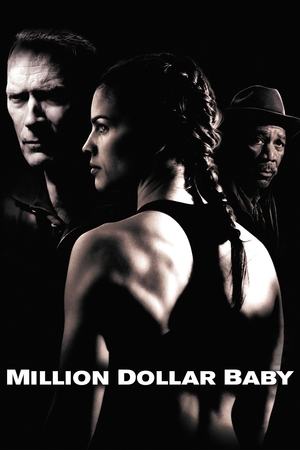
Million Dollar Baby
2004
⭐ 8.0
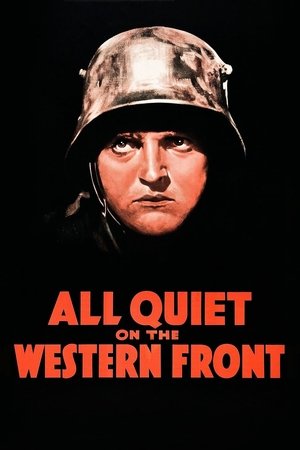
All Quiet on the Western Front
1930
⭐ 7.7
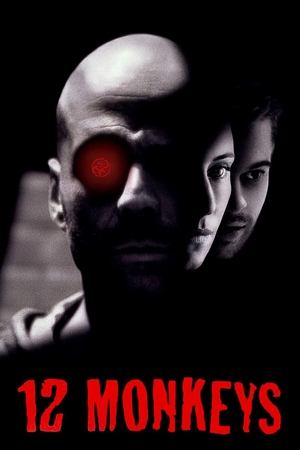
Twelve Monkeys
1995
⭐ 7.6
Related Movies
Conclusion
"Fight Club" remains an undeniable cinematic powerhouse, a film that refuses to be forgotten or neatly categorized. David Fincher's audacious direction, coupled with unforgettable performances from Edward Norton, Brad Pitt, and Helena Bonham Carter, created a movie that is as challenging as it is entertaining. Its scathing critique of consumerism, exploration of identity, and innovative storytelling have solidified its place as a cultural phenomenon and a definitive cult classic. Beyond its initial polarizing reception, the film has cemented its legacy as a masterpiece of modern cinema, inspiring countless discussions, essays, and even fashion trends. More than two decades on, "Fight Club" continues to resonate, asking its audience to look deeper, question louder, and perhaps, even find themselves in the thrilling chaos it so expertly portrays. It's a film that demands to be seen, discussed, and re-evaluated, time and time again.
Check TMDB to get official information.