
Gone with the Wind (1939)
⭐ IMDb Rating: 8.2
🎭 Genre: Drama, Romance, War
⏱ Runtime: 238 min
🎬 Director: Victor Fleming
📅 Released: December 15, 1939 (Atlanta premiere)
🌍 Country: United States
Introduction
Stepping into the world of classic Hollywood cinema often brings us face-to-face with enduring masterpieces that continue to captivate audiences across generations. Among these titans stands 'Gone with the Wind' (1939), an epic historical romance that remains a cornerstone of film history. This monumental production, adapted from Margaret Mitchell's Pulitzer Prize-winning novel, transports viewers to a dramatic period in American history.
More than just a film, 'Gone with the Wind' became a cultural phenomenon upon its release, setting new standards for cinematic storytelling and spectacle. Its grand scale, vibrant Technicolor visuals, and unforgettable characters cemented its place as a beloved classic. The movie explores themes of love, survival, and ambition amidst the chaos of war and societal change.
Its enduring legacy is a testament to its powerful narrative and groundbreaking production values that redefined the possibilities of cinema. Even today, decades later, the film sparks conversation and admiration for its scope and emotional depth. It stands as a timeless example of Hollywood's Golden Age.
Story
At its heart, 'Gone with the Wind' is an expansive tale set against the tumultuous backdrop of the American Civil War and the subsequent Reconstruction era. The narrative primarily follows Scarlett O'Hara, a spirited and fiercely independent Southern belle from a Georgia plantation called Tara.
Scarlett's journey is one of remarkable resilience and determination as she navigates personal turmoil and societal upheaval. She experiences the profound changes sweeping across the South, forcing her to adapt and fight for survival in a rapidly altering world. Her complex relationships, particularly with the roguish Rhett Butler and the honorable Ashley Wilkes, form the emotional core of her story.
The film masterfully weaves personal drama with historical events, showcasing how individuals are shaped by extraordinary circumstances. It’s a compelling exploration of human nature, ambition, and the lengths one will go to protect what they cherish. The sweeping narrative encapsulates a defining period through a deeply personal lens, making it an unforgettable cinematic experience.
Main Cast

Vivien Leigh
Scarlett O'Hara

Clark Gable
Rhett Butler

Olivia de Havilland
Melanie Hamilton

Leslie Howard
Ashley Wilkes

Hattie McDaniel
Mammy

Thomas Mitchell
Gerald O'Hara

Barbara O'Neil
Ellen O'Hara

Evelyn Keyes
Suellen O'Hara
Movie Information
| IMDb Rating | 8.2 |
| Genre | Drama, Romance, War |
| Runtime | 238 min |
| Director | Victor Fleming |
| Writer | Margaret Mitchell, Sidney Howard, Oliver H.P. Garrett |
| Actors | Clark Gable, Vivien Leigh, Thomas Mitchell |
| Language | English |
| Country | United States |
| Awards | Won 8 Oscars. 26 wins & 10 nominations total |
| Released | 17 Jan 1940 |
Cast Performance
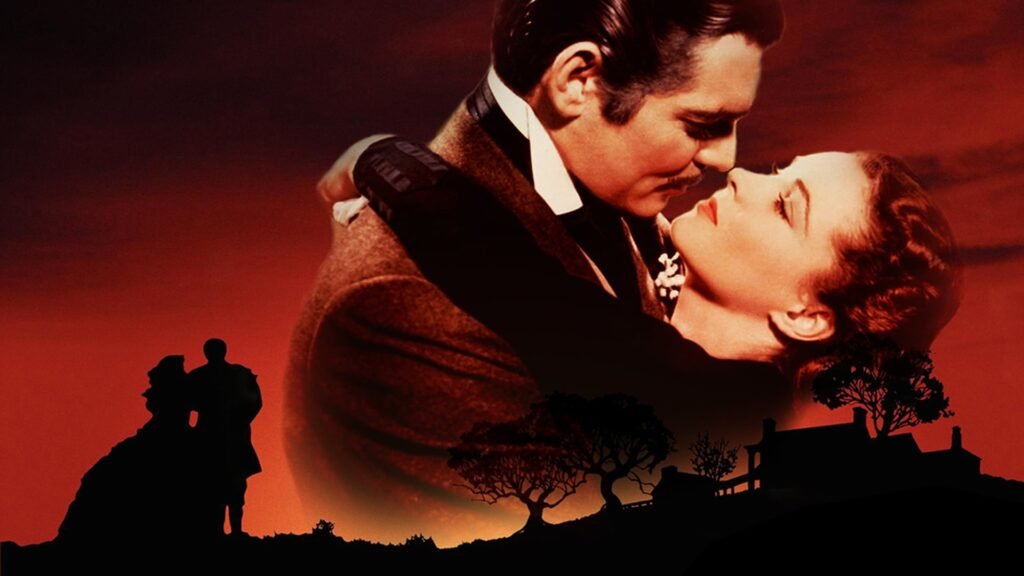
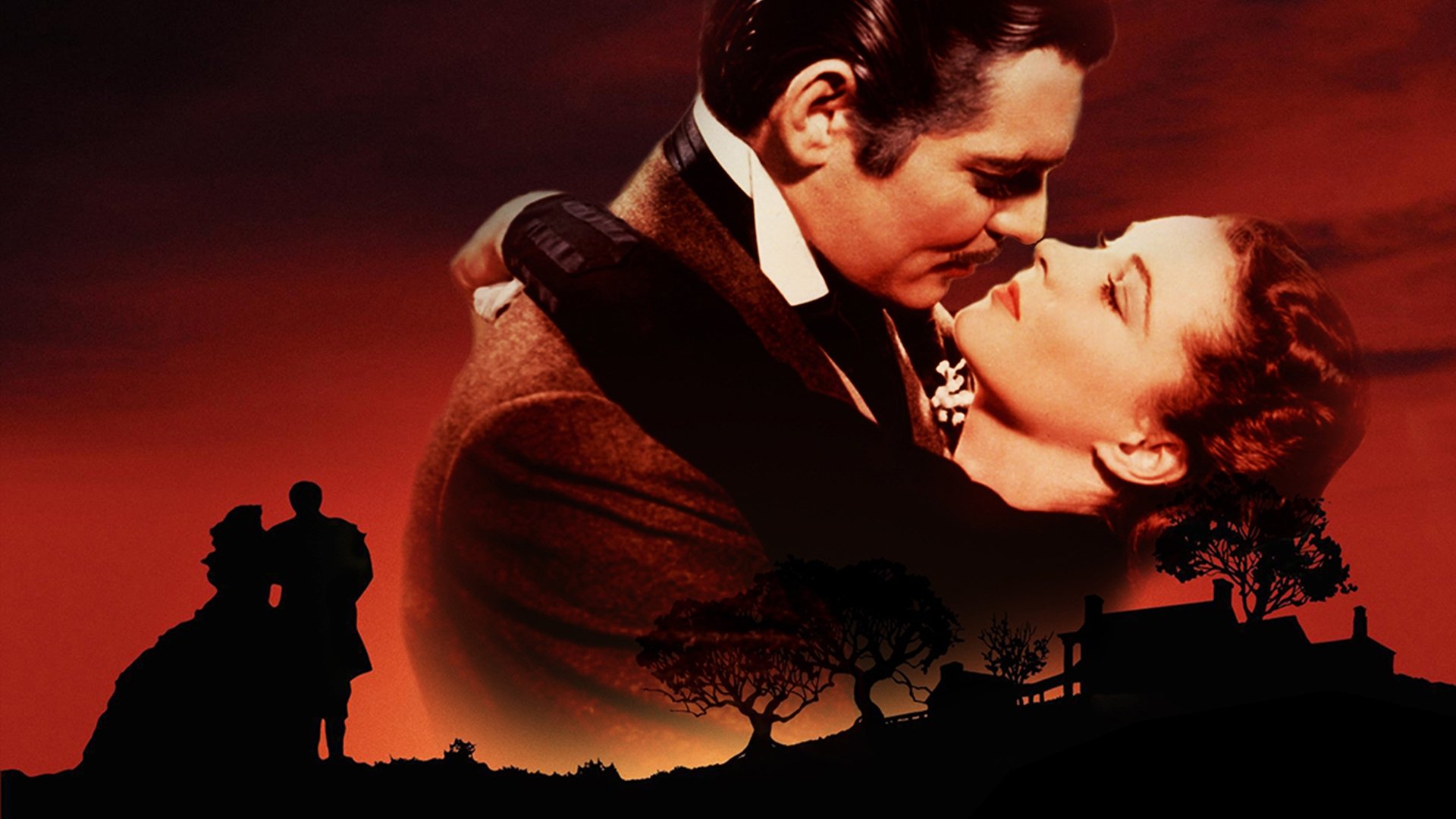
The iconic performances in 'Gone with the Wind' are undoubtedly a major reason for its lasting appeal, defining the characters for generations. Vivien Leigh, a relatively unknown actress at the time, delivered an absolutely electrifying portrayal of Scarlett O'Hara, capturing her fiery spirit and complex vulnerability.
Leigh's performance is a masterclass in acting, perfectly embodying Scarlett's transformation from a spoiled debutante to a determined survivor. Her nuanced expressions and commanding presence brought the unforgettable character vividly to life. Audiences worldwide were immediately captivated by her captivating interpretation.
Complementing Leigh's brilliance was Clark Gable's charismatic turn as Rhett Butler, the cynical blockade runner and an equally strong-willed foil to Scarlett. Their undeniable chemistry crackles on screen, forming one of cinema's most legendary romantic pairings. The supporting cast, including Leslie Howard and Olivia de Havilland, also delivered memorable and heartfelt performances, solidifying the film's reputation for exceptional acting.
Cinematography
'Gone with the Wind' stands as a breathtaking achievement in cinematography, especially for its pioneering use of Technicolor. The film's visual grandeur is unparalleled, immersing viewers in the lush landscapes and opulent settings of the Old South. Every frame is meticulously composed, transforming the historical drama into a vibrant spectacle.
Cinematographer Ernest Haller expertly captured the epic scale of the story, from sweeping shots of battlefields to intimate character moments. The rich, vibrant colors were revolutionary for their time, bringing an unprecedented depth and realism to the screen. This visual richness helped to transport audiences directly into Scarlett O'Hara's world.
The film features many iconic visual sequences that remain etched in cinematic history, showcasing groundbreaking techniques for its era. The stunning sets, elaborate costumes, and grand battle scenes are all rendered with meticulous detail, contributing significantly to the film's immersive quality. It truly set a benchmark for visual storytelling in Hollywood.
Soundtrack
The unforgettable score for 'Gone with the Wind,' composed by the legendary Max Steiner, is as integral to the film's success as its iconic performances and visuals. Steiner's masterful musical arrangements perfectly underscore the epic scope and emotional intensity of the narrative. His compositions evoke a powerful sense of time and place.
The sweeping main theme, often associated with the grandeur of Tara, immediately sets the tone for the film's romantic and dramatic journey. Steiner meticulously crafted distinct musical motifs for each character and key emotion, enriching the storytelling without ever overpowering the dialogue. This thoughtful approach enhances the viewer's emotional connection to the unfolding drama.
From stirring orchestral pieces that accompany the war scenes to tender melodies for romantic interludes, the soundtrack is a powerful emotional anchor. It provides a constant, evocative backdrop that amplifies every triumph and tragedy on screen. Max Steiner's 'Gone with the Wind' score remains one of the most beloved and recognizable in film history, a true cinematic masterpiece in its own right.
Review
'Gone with the Wind' is widely celebrated as a monumental achievement in cinematic history, a true testament to the Golden Age of Hollywood. Its sprawling narrative, unforgettable characters, and groundbreaking production values combine to create an experience unlike any other. The film's emotional depth and grand scale have captivated audiences for decades.
Critics often praise its ambitious scope, from the detailed historical backdrop to the intricate character development, especially that of Scarlett O'Hara. The film manages to balance intimate personal drama with the vast sweep of a nation at war. It remains a powerful exploration of resilience and romance in times of immense change.
While contemporary discussions acknowledge its complex historical portrayals, its technical brilliance and enduring entertainment value are undeniable. 'Gone with the Wind' offers a powerful, albeit sometimes challenging, glimpse into a bygone era through a deeply personal lens. It solidified its place as a cultural touchstone and a must-watch for film enthusiasts.
If you enjoyed this film, check out our guides to Forrest Gump (1994), Braveheart (1995) and Gladiator (2000) for more great movie recommendations.
Ending Explained
Spoiler warning: this section describes the final act of Gone with the Wind (1939).
After Bonnie's death and Melanie's passing, Rhett Butler finally walks out on Scarlett O'Hara. His famous farewell — "Frankly, my dear, I don't give a damn" — ends a marriage that was always a battle of wills. Scarlett, left alone at Tara, has her moment of resolve: she will go home, she will think of a way to win Rhett back, because "tomorrow is another day."
The ending is deliberately unresolved. Scarlett hasn't changed — her resilience is also her blindness — but the film frames her determination as the point. After losing everything, she does what she has always done: survive, and plan. Whether Rhett returns is left unanswered; the story's faith is in Scarlett's refusal to be defeated, not in a romantic reunion.
Box Office
Upon its release in 1939, 'Gone with the Wind' was an unprecedented box office sensation, shattering all previous records and becoming a true cultural phenomenon. Its initial theatrical run generated staggering revenue, proving that grand-scale epic dramas could achieve immense commercial success. The film's popularity was truly global.
Adjusted for inflation, 'Gone with the Wind' remains one of the highest-grossing films of all time, a testament to its universal appeal and repeated re-releases. Its commercial performance set a benchmark for future blockbusters, demonstrating the power of compelling storytelling combined with massive production values. The movie single-handedly revitalized the film industry during a challenging economic period.
Even in subsequent decades, the film continued to draw large audiences back to cinemas for special screenings and anniversary events. This sustained commercial success over many years highlights its enduring appeal and status as a timeless classic. It stands as a pinnacle of box office achievement in film history.
Awards
'Gone with the Wind' made a historic impact at the 12th Academy Awards, dominating the ceremony and setting new standards for recognition. The film received an astounding 13 nominations, a record at the time, showcasing its widespread critical acclaim across various categories.
It ultimately won an impressive 8 competitive Academy Awards, including the coveted Best Picture, making it one of the most awarded films of its era. Other significant wins included Best Director for Victor Fleming, Best Actress for Vivien Leigh, and Best Supporting Actress for Hattie McDaniel, who made history as the first African American to win an Oscar.
Its additional accolades for Best Screenplay, Best Cinematography (Color), Best Art Direction, and Best Film Editing further solidified its status as a masterpiece. These numerous awards underscored its technical brilliance, artistic merit, and the exceptional talents involved in its production. 'Gone with the Wind's' Oscar haul cemented its place in cinematic legend.
Who Should Watch This Movie?
Anyone with an appreciation for classic Hollywood epics and grand storytelling should undoubtedly watch 'Gone with the Wind.' It's a must-see for film students and enthusiasts interested in the history of cinema and the evolution of filmmaking techniques. The film offers a unique glimpse into a pivotal era of cinematic achievement.
Fans of sweeping romantic dramas and historical sagas will find themselves completely immersed in Scarlett O'Hara's tumultuous journey and her complex relationships. Its themes of resilience, survival, and enduring love resonate deeply. Those who enjoy rich character development and intricate plotlines set against a significant historical backdrop will be captivated.
Moreover, viewers curious about iconic performances, groundbreaking Technicolor cinematography, and legendary film scores should add this to their watch list. 'Gone with the Wind' provides a comprehensive experience of what made Hollywood's Golden Age so extraordinary. It's truly a cultural touchstone that every serious movie lover should experience at least once.
Frequently Asked Questions
What year was 'Gone with the Wind' released?
'Gone with the Wind' first premiered in December 1939. Its release was a monumental event in Hollywood history, attracting immense public attention and anticipation.
Who are the main stars of 'Gone with the Wind'?
The film features iconic performances by Vivien Leigh as Scarlett O'Hara and Clark Gable as Rhett Butler. Their chemistry and portrayals are central to the film's enduring appeal.
What is 'Gone with the Wind' famous for?
It is famous for its epic scale, pioneering use of Technicolor, grand romantic narrative, and its record-breaking box office success. It also garnered numerous Academy Awards.
Is 'Gone with the Wind' based on a book?
Yes, 'Gone with the Wind' is an adaptation of Margaret Mitchell's critically acclaimed and bestselling novel of the same name. The book won a Pulitzer Prize in 1937.
What historical period does 'Gone with the Wind' cover?
The film is set during the tumultuous period of the American Civil War and the subsequent Reconstruction era. It depicts the dramatic societal changes in the American South.
Where to Watch Gone with the Wind (1939)
Streaming availability changes often — services add and remove titles every month, so we don't publish a fixed list here.
Check current US streaming, rental & purchase options on JustWatch →
JustWatch is an independent streaming guide. We don't track real-time availability ourselves.
Official Trailer
Related Movies
Conclusion
'Gone with the Wind' remains an undeniable titan in the pantheon of cinema, a film whose legacy continues to spark discussion and admiration. From its ambitious narrative and unforgettable characters to its groundbreaking technical achievements, it represents a defining moment in Hollywood history. The film's blend of epic romance and historical drama ensures its lasting appeal.
Its enduring power lies in its ability to transport audiences to another era, offering a grand spectacle alongside deeply personal struggles. The performances of Vivien Leigh and Clark Gable, paired with Max Steiner's iconic score and stunning visuals, create an immersive experience that few films can match. It is a work of immense scope and ambition.
Decades after its premiere, 'Gone with the Wind' continues to be a compelling watch, showcasing the magic of classic filmmaking at its finest. It stands as a testament to the power of storytelling and the enduring allure of a truly epic tale. This cinematic masterpiece rightfully maintains its esteemed position in film history.
Learn more about Gone with the Wind on
Official TMDb Page
.