City Lights (1931) Movie Guide | Cast, Story, Review, Ending Explained & Where to Watch


City Lights (1931)
⭐ IMDb Rating: 8.5
🎭 Genre: Comedy, Drama, Romance
⏱ Runtime: 87 min
🎬 Director: Charles Chaplin
📅 Released: 07 Mar 1931
🌍 Country: United States
Introduction
Charlie Chaplin's 'City Lights,' released in 1931, stands as a monumental achievement in cinematic history, a timeless classic that continues to captivate audiences worldwide. This iconic film masterfully blends uproarious physical comedy with profound emotional depth, showcasing Chaplin's unparalleled genius as a filmmaker and performer. It arrived at a pivotal moment for Hollywood, a silent film bravely released into an industry rapidly embracing sound technology.
Despite the advent of 'talkies,' Chaplin famously resisted the transition, believing sound would diminish the universal appeal of his beloved Little Tramp character. 'City Lights' proved his conviction, becoming a massive commercial and critical success, cementing its place as one of the greatest movies ever made. Its enduring charm lies in its poignant storytelling and the unforgettable character at its heart, a testament to the power of silent cinema.
Story
At its core, 'City Lights' tells a deeply moving and heartwarming tale of unlikely love and self-sacrifice. The story follows the misadventures of the lovable Little Tramp as he navigates the bustling streets of a big city, often finding himself in humorous predicaments.
His life takes a profound turn when he encounters a beautiful, blind flower girl, with whom he instantly falls in love. Believing him to be a wealthy gentleman, the flower girl becomes the object of his affection and his tireless efforts to help her regain her sight. The Tramp embarks on a series of elaborate schemes, often aided by a drunken millionaire, to earn enough money for her operation, facing numerous comical and challenging obstacles along the way.
This romantic comedy-drama beautifully explores themes of perception, social class, and the true meaning of generosity. It's a universal narrative that transcends language barriers, driven by pure emotion and Chaplin's expressive performance, making it relatable to anyone who has ever loved or sacrificed for another.
Main Cast

Charlie Chaplin
A Tramp

Virginia Cherrill
A Blind Girl
Florence Lee
Her Grandmother

Harry Myers
An Eccentric Millionaire

Al Ernest Garcia
His Butler

Hank Mann
A Prizefighter

Albert Austin
Street Sweeper / Burglar (uncredited)

Eddie Baker
Boxing Fight Referee (uncredited)
Movie Information
| IMDb Rating | 8.5 |
| Genre | Comedy, Drama, Romance |
| Runtime | 87 min |
| Director | Charles Chaplin |
| Writer | Charles Chaplin, Harry Carr, Harry Crocker |
| Actors | Charles Chaplin, Virginia Cherrill, Florence Lee |
| Language | None, English |
| Country | United States |
| Awards | 6 wins total |
| Released | 07 Mar 1931 |
Cast Performance
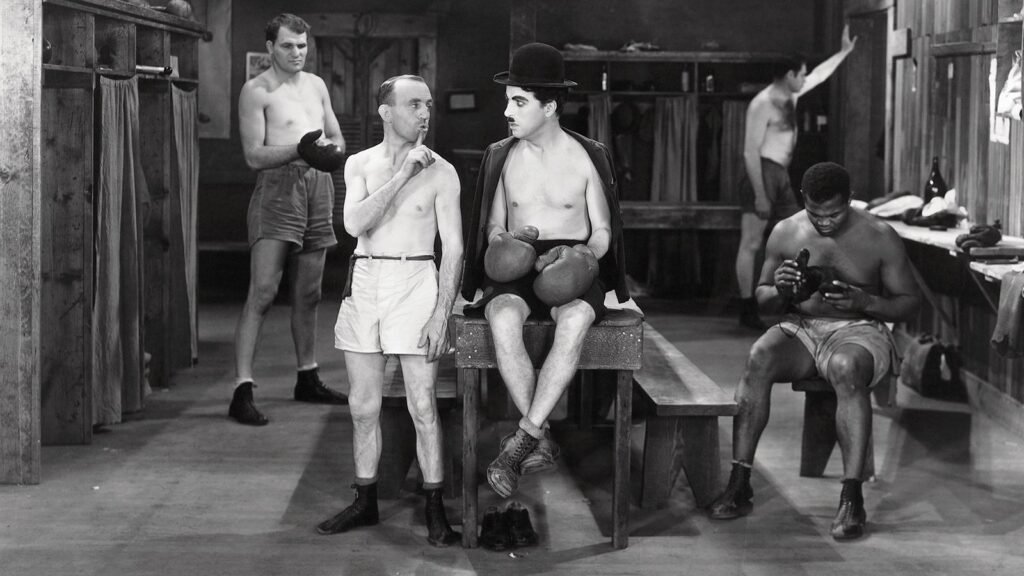
Charlie Chaplin's portrayal of the Little Tramp in 'City Lights' is a masterclass in acting, solidifying his status as a cinematic legend. His physical comedy is precise and hilarious, yet it is his ability to convey profound emotion without a single word that truly defines the performance.
Chaplin's expressive eyes and body language tell a complex story of hope, despair, and unwavering love, making the Tramp one of cinema's most beloved characters. He embodies both the innocence and the resilience of humanity, drawing audiences into his journey with every gesture.
Virginia Cherrill delivers a remarkably delicate and sympathetic performance as the blind flower girl, bringing grace and vulnerability to her role. Her chemistry with Chaplin is palpable, forming the emotional core of the film. Harry Myers also shines as the eccentric millionaire, providing comedic relief and a crucial plot device with his drunken antics, rounding out a truly memorable ensemble.
Cinematography
'City Lights' showcases brilliant cinematography that elevates its storytelling, proving that visual language can be incredibly powerful. The black-and-white aesthetic is used with masterful precision, creating striking contrasts and deep shadows that enhance the film's emotional landscape.
Each frame is meticulously composed, guiding the viewer's eye and emphasizing the subtle nuances of character expression and setting. Chaplin, as director, understood the power of visual storytelling, using camera angles and shot composition to convey humor, pathos, and the social disparity between characters. The detailed set designs and locations, from bustling city streets to the Tramp's humble dwelling, immerse the audience in his world.
The film's visual narrative is a testament to the artistry of silent cinema, demonstrating how skillful direction and camerawork can evoke laughter and tears without spoken dialogue. It's a visually rich experience, a feast for the eyes that remains influential even today.
Soundtrack
Despite being a silent film, 'City Lights' features an incredibly rich and iconic synchronized musical score, famously composed by Charlie Chaplin himself. The soundtrack is far more than mere background noise; it is an integral part of the narrative, acting as an additional character in the film's emotional tapestry.
The music guides the audience through every scene, amplifying the comedic timing and deepening the dramatic impact. Chaplin meticulously crafted melodies that perfectly underscore the Tramp's hopeful endeavors and his poignant moments of despair, making the emotional beats resonate deeply. Notably, the main theme, 'La Violetera,' is beautifully integrated, tying directly into the flower girl's character.
This innovative use of music allowed Chaplin to communicate emotions and ideas with extraordinary clarity, bridging the gap between silent action and audience understanding. The soundtrack remains celebrated for its beauty and effectiveness, proving that music can speak volumes where words are absent.
Review
'City Lights' is widely regarded as Chaplin's masterpiece, a film that effortlessly blends slapstick comedy with profound social commentary and heartbreaking romance. It is a triumph of storytelling, demonstrating Chaplin's unparalleled ability to evoke laughter and tears in equal measure, often within the same scene.
The film's emotional honesty and universal themes of love, sacrifice, and human connection resonate deeply, making it incredibly relevant even generations after its release. Its perfect pacing, ingenious gags, and poignant ending cement its place as an enduring work of art. Critics and audiences alike have lauded 'City Lights' for its emotional power and cinematic brilliance.
It stands as a powerful argument for the artistic merit of silent cinema, a beacon of creativity that defied the technological shifts of its era. For anyone seeking a truly unforgettable cinematic experience, 'City Lights' offers a poignant journey into the human heart.
Box Office
Upon its release in 1931, 'City Lights' achieved remarkable commercial success, especially considering the film industry's rapid shift towards 'talkies.' Charlie Chaplin, a global superstar, personally financed its production, demonstrating immense confidence in his artistic vision to release a silent film during the sound era.
Defying expectations, the movie was a major box office hit worldwide, proving that audiences were still eager for the universal charm and emotional depth that Chaplin's silent storytelling offered. Its financial performance underscored Chaplin's unique appeal and his ability to draw crowds purely on the strength of his iconic character and masterful filmmaking. The film's substantial earnings were a testament to its broad appeal and critical acclaim.
This commercial triumph allowed Chaplin to maintain creative control over his subsequent projects, further cementing his independence in Hollywood. 'City Lights' proved that exceptional artistry could overcome prevailing industry trends.
Awards
'City Lights' was met with overwhelming critical acclaim upon its debut, instantly recognized as a cinematic triumph and a testament to Chaplin's unparalleled artistry. While the formal awards landscape of the early 1930s was still evolving, the film received universal praise from critics and audiences alike, solidifying its place in film history.
It was hailed as a masterpiece by publications across the globe, celebrated for its perfect blend of comedy and pathos, its innovative storytelling, and its enduring emotional impact. Over the decades, 'City Lights' has consistently appeared on numerous lists of the greatest films ever made, often cited by legendary filmmakers and critics. Its recognition comes not just from contemporary reviews but from its lasting legacy and influence on subsequent generations of artists.
The film's true 'awards' are its timelessness, its ability to move and entertain audiences over 90 years later, and its undeniable impact on the art of cinema. It remains a cherished example of filmmaking at its finest.
Who Should Watch This Movie?
Anyone with an appreciation for classic cinema, heartfelt storytelling, or cinematic innovation should undoubtedly watch 'City Lights.' This film is an essential viewing for students of film history, offering a profound insight into the genius of Charlie Chaplin and the art of silent-era filmmaking.
Fans of romantic comedies will find its blend of humor and poignant romance utterly captivating, while those who enjoy character-driven dramas will appreciate the deep emotional resonance of the Tramp's journey. It's perfect for families looking for wholesome, yet deeply moving entertainment, transcending language and cultural barriers with its universal themes.
Ultimately, 'City Lights' is for anyone seeking a truly special and uplifting movie experience that combines masterful physical comedy with a powerful message about love, sacrifice, and the human spirit. Prepare to laugh and be moved in equal measure by this unforgettable classic.
Frequently Asked Questions
Is 'City Lights' a silent film?
'City Lights' is famously known as a silent film, even though it was released in 1931 when 'talkies' were already dominant. Charlie Chaplin intentionally chose to make it without spoken dialogue, believing it would give his beloved Little Tramp character universal appeal. The film does feature a synchronized musical score and sound effects, but no spoken words from the characters.
Who directed 'City Lights'?
The iconic 'City Lights' was written, directed, produced, and scored by the legendary Charlie Chaplin. He also starred in the film as his most famous character, the Little Tramp. Chaplin maintained complete creative control over the project, which was a hallmark of his filmmaking career and contributed to its singular artistic vision.
What is Charlie Chaplin's character called in 'City Lights'?
In 'City Lights,' Charlie Chaplin reprises his most famous character, 'The Little Tramp.' This beloved character is a kind-hearted, well-meaning vagrant with a distinctive baggy suit, tight coat, oversized shoes, and a bamboo cane. The Tramp's expressive pantomime and universal empathy are central to the film's emotional power and enduring appeal.
Why is 'City Lights' considered a classic?
'City Lights' is considered a classic for its timeless blend of comedy and pathos, its innovative storytelling, and its powerful emotional resonance. It's a masterclass in silent film artistry, showcasing Chaplin's genius in conveying deep human emotions and complex narratives without spoken dialogue. Its universal themes of love, sacrifice, and social class continue to captivate audiences worldwide, solidifying its place in cinematic history.
When was 'City Lights' released?
'City Lights' premiered on January 30, 1931, in Los Angeles, California. Its release date is particularly significant as it defied the prevailing industry trend, arriving several years after 'talkies' had become standard in Hollywood. Despite this, the film achieved immense critical and commercial success, proving the enduring power of Charlie Chaplin's silent artistry.
Official Trailer
You May Also Like
Teen Batti Char Raasta
1953
⭐ 9.0

The Grass Is Greener
1960
⭐ 6.4

Life and Death on the Shore
2017
⭐ 8.0
Steamboat Bill, Jr.
1928
⭐ 7.6

The Paleface
1922
⭐ 6.1
A Christmas Carol
1938
⭐ 7.0
Related Movies
Conclusion
'City Lights' remains an indelible masterpiece, a testament to Charlie Chaplin's unparalleled vision and his unwavering belief in the power of silent cinema. Its enduring appeal lies in its profound emotional honesty, its masterful blend of comedy and tragedy, and the timeless performance of the Little Tramp.
More than 90 years after its premiere, the film continues to touch hearts and inspire filmmakers around the world, proving that true artistry transcends technological fads. It stands as a beacon of storytelling, a reminder that the most powerful narratives often come from the simplest acts of human kindness and sacrifice.
'City Lights' is not just a film; it is an experience, a journey into the soul of a character who embodies the best of humanity. It is an absolute must-watch for anyone who cherishes cinema and seeks a truly profound and uplifting story.
Learn more on
Official TMDb Page.
Learn more about City Lights on
Official TMDb Page
.