Come and See (1985) Movie Guide | Cast, Story, Review, Ending Explained & Where to Watch
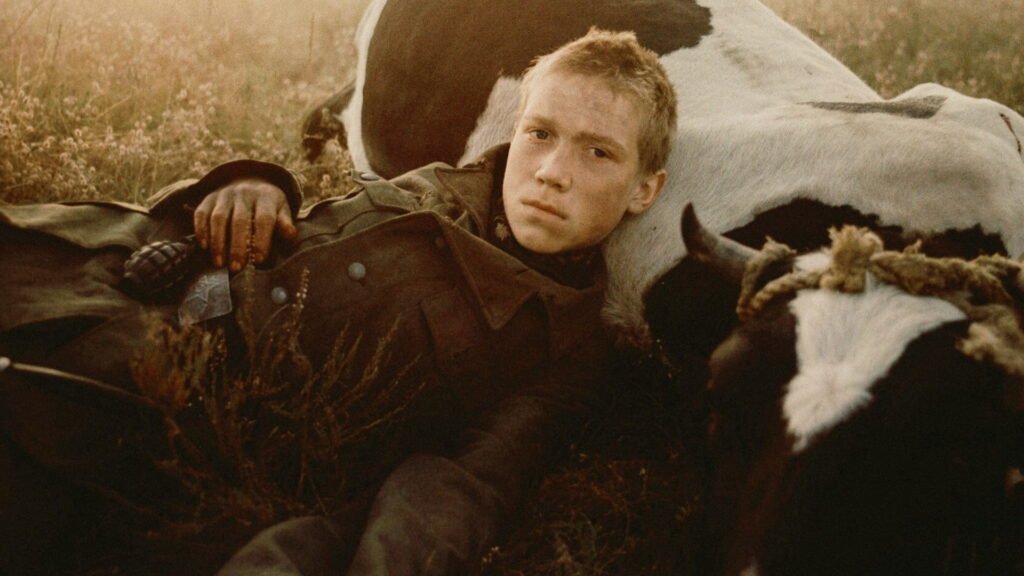


Come and See (1985)
⭐ IMDb Rating: 8.3
🎭 Genre: Drama, Thriller, War
⏱ Runtime: 142 min
🎬 Director: Elem Klimov
📅 Released: 03 Sep 1985
🌍 Country: Soviet Union
Introduction
Elm Klimov’s 1985 masterpiece, "Come and See," stands as a truly unique and profoundly disturbing cinematic experience. This Soviet anti-war film offers an unflinching, visceral depiction of the Eastern Front during World War II, seen through the eyes of a young protagonist. Its raw intensity and experimental approach have solidified its place as one of the most powerful movies ever made about the horrors of conflict.
Story
The narrative of "Come and See" follows Flyora, a teenage boy from a small Belarusian village, eager to join the partisan resistance against the invading Nazi forces. His initial youthful idealism quickly collides with the brutal realities of war, forcing him to witness unimaginable atrocities. The film chronicles his harrowing journey and the rapid erosion of his innocence.
Main Cast

Aleksei Kravchenko
Flyora Gayshun

Olga Mironova
Glasha

Liubomiras Laucevičius
Kosach

Vladas Bagdonas
Rubezh

Jüri Lumiste
Obersturmführer

Viktors Lorencs
Sturmbannführer

Kazimir Rabetsky
Village Headman

Yevgeni Tilicheyev
Gezhel
Movie Information
| IMDb Rating | 8.3 |
| Genre | Drama, Thriller, War |
| Runtime | 142 min |
| Director | Elem Klimov |
| Writer | Ales Adamovich, Elem Klimov |
| Actors | Aleksey Kravchenko, Olga Mironova, Liubomiras Laucevicius |
| Language | Russian, Belarusian, German |
| Country | Soviet Union |
| Awards | 3 wins total |
| Released | 03 Sep 1985 |
Cast Performance
Aleksei Kravchenko delivers an absolutely unforgettable and emotionally shattering performance as the young protagonist, Flyora. Despite being a non-professional actor at the time, his portrayal captures the essence of innocence lost and the profound trauma inflicted by war. The transformation he undergoes on screen is not just an acting feat, but a raw, deeply affecting testament to human resilience and suffering.
Cinematography
The visual artistry in "Come and See" is absolutely breathtaking, yet unsettling, serving to amplify the film's stark message. Director Klimov, alongside cinematographer Aleksei Rodionov, employs an immersive style, often utilizing long takes and close-ups to draw viewers directly into Flyora's increasingly nightmarish world. The stunning, almost painterly compositions contrast sharply with the grim subject matter, creating a powerful visual tension throughout the film.
Soundtrack
The sound design in "Come and See" is as impactful and experimental as its visuals, playing a crucial role in creating the film’s oppressive atmosphere. Rather than a traditional musical score, the movie often relies on a discordant tapestry of natural sounds, unnerving ambient noise, and fragmented classical pieces. This audacious approach immerses the viewer in Flyora's psychological landscape, making the aural experience deeply unsettling and memorable.
Review
"Come and See" is widely regarded by critics and filmmakers as an undisputed anti-war classic and a harrowing cinematic achievement. Its unflinching depiction of human cruelty and the psychological toll of conflict sets it apart from almost any other film in its genre. The movie challenges viewers to confront the darkest aspects of humanity, leaving an indelible mark long after the credits roll.
Box Office
While precise international box office figures for "Come and See" are not readily available in the same way as modern blockbusters, the film experienced a significant domestic release in the Soviet Union in 1985. It quickly garnered immense critical attention and became a widely discussed cultural phenomenon within its home country. Over the decades, through re-releases, critical re-evaluation, and appearances on 'best of' lists, its global reputation has grown exponentially, securing its place as a revered cult classic and a staple in film history discussions.
Awards
"Come and See" received considerable critical recognition upon its release, particularly within the international film festival circuit. It notably earned the FIPRESCI Prize at the 14th Moscow International Film Festival, a testament to its artistic daring and powerful message. This prestigious award highlighted its significant impact and distinct cinematic voice to a global audience.
Who Should Watch This Movie?
This film is essential viewing for cinephiles, history enthusiasts, and anyone interested in challenging, thought-provoking cinema. Viewers seeking a realistic and unflinching portrayal of war's devastating effects will find it profoundly impactful. However, due to its intensely graphic and disturbing content, it is not suitable for all audiences and requires a mature disposition.
Frequently Asked Questions
Who directed the movie "Come and See"?
The critically acclaimed Soviet director Elm Klimov is the visionary behind the powerful anti-war film "Come and See".
What language is "Come and See" originally in?
The film "Come and See" is primarily in Russian and Belarusian, reflecting its historical setting and production.
Is "Come and See" based on a true story?
While the story of Flyora is fictional, "Come and See" draws heavily from real accounts and testimonies of atrocities committed on the Eastern Front, particularly in Belarus, during World War II.
Why is "Come and See" considered a masterpiece?
"Come and See" is hailed as a masterpiece for its visceral, unflinching portrayal of war, its innovative cinematography and sound design, and the raw, unforgettable performance of its lead actor. It provides a uniquely immersive and harrowing experience.
What genre does "Come and See" belong to?
"Come and See" is primarily classified as an anti-war drama and a historical war film. It also contains elements of psychological horror due to its intense and disturbing subject matter.
Official Trailer
You May Also Like
The Peaks of Zelengore
1976
⭐ 6.4

Heart of Darkness
1993
⭐ 5.8
I Wish I Were a Pigeon
1990
⭐ 8.0

The Garden of the Finzi-Continis
1970
⭐ 6.9

Ghost Dog: The Way of the Samurai
1999
⭐ 7.3

Never So Few
1959
⭐ 5.5
Related Movies
Conclusion
Elm Klimov’s "Come and See" remains a cinematic touchstone, an enduring testament to the human cost of war that continues to resonate decades after its release. It’s a powerful, unforgettable experience that pushes the boundaries of filmmaking and emotional endurance. The film's audacious vision and raw honesty ensure its place as an essential, if difficult, piece of world cinema history. Learn more about Come and See on Official TMDb Page