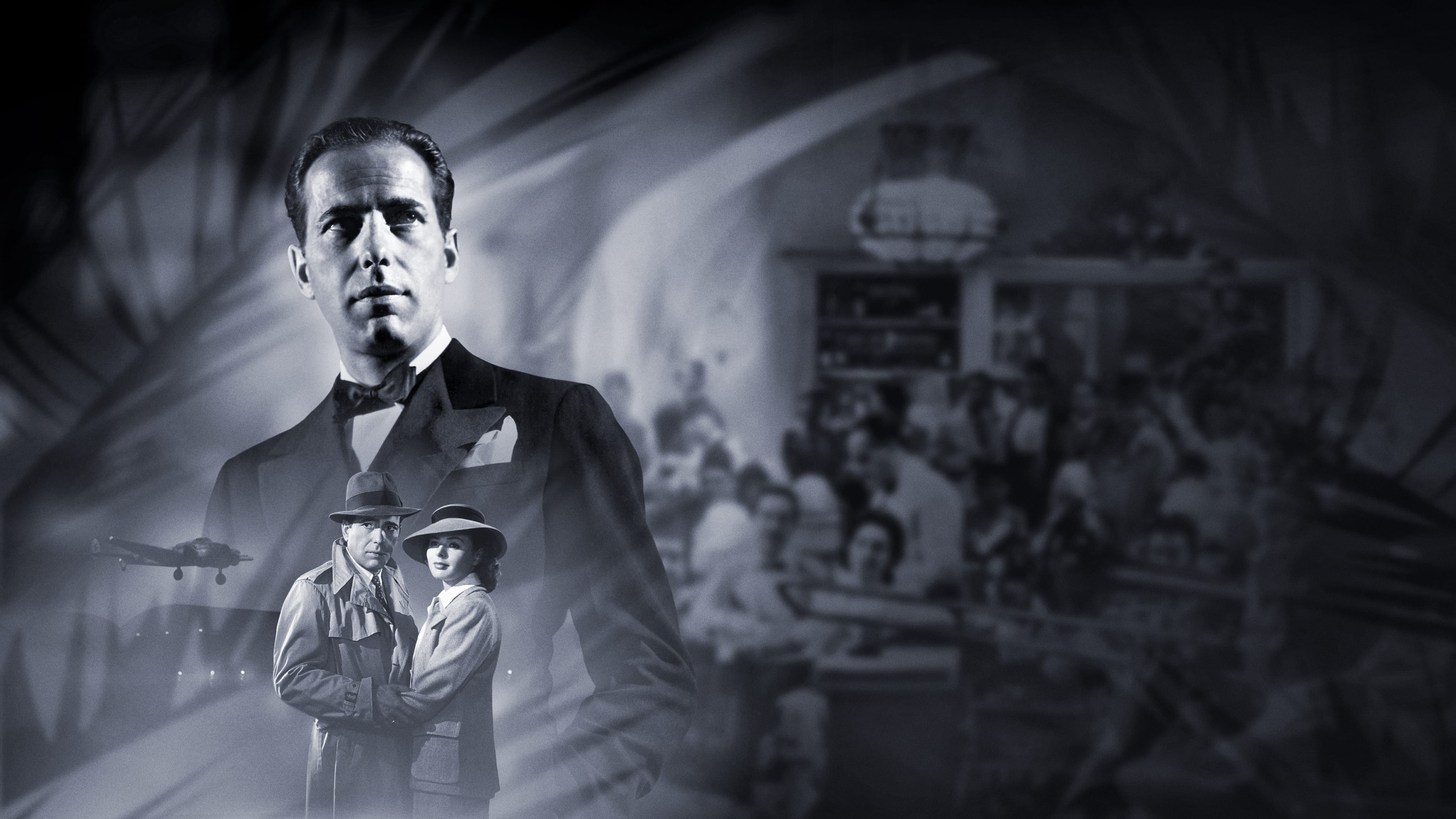

Casablanca (1943)
⭐ IMDb Rating: 8.5
🎭 Genre: Drama, Romance, War
⏱ Runtime: 102 min
🎬 Director: Michael Curtiz
📅 Released: 23 Jan 1943
🌍 Country: United States
Introduction
Dive into the timeless allure of "Casablanca," a cinematic masterpiece that has captivated audiences for generations. Released in 1943 amidst the tumultuous backdrop of World War II, this iconic romantic drama transcends its era, offering a poignant exploration of love, sacrifice, and moral dilemmas. From its unforgettable characters to its razor-sharp dialogue and a soundtrack that has woven itself into the fabric of popular culture, "Casablanca" isn't just a movie; it's an experience. Its enduring appeal lies in its sophisticated storytelling and the universally relatable themes it tackles, making it a staple for film enthusiasts and a perfect introduction for newcomers to classic Hollywood cinema. Join us as we explore why "Casablanca" continues to resonate with viewers today, solidifying its place as one of the greatest movies ever made and a benchmark for cinematic excellence.
Story
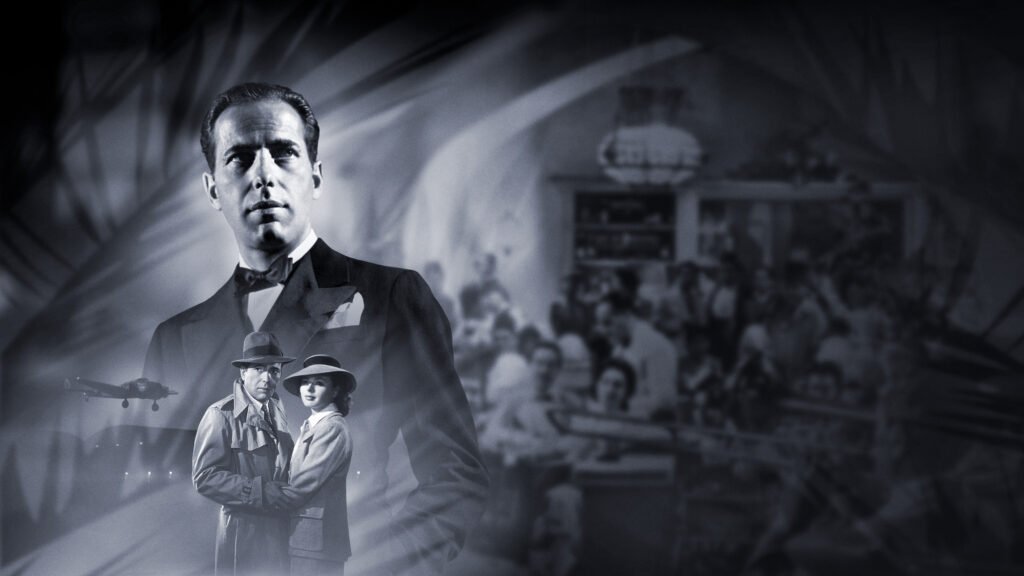
Set against the tense backdrop of World War II, the story of "Casablanca" unfolds in the eponymous Moroccan city, a transit point for refugees desperate to escape Nazi-occupied Europe and reach neutral America. Here, we meet Rick Blaine, played by Humphrey Bogart, an American expatriate and cynical owner of the popular nightclub, Rick's Café Américain. His seemingly unshakeable neutrality is shattered with the sudden arrival of Ilsa Lund (Ingrid Bergman), a woman from his past, accompanied by her husband, Victor Laszlo (Paul Henreid), a renowned Czech resistance leader. As old flames reignite and present dangers loom, Rick finds himself caught in a complex web of past love, rekindled passion, political intrigue, and moral responsibility. The central conflict forces Rick to choose between his personal desires and helping Victor and Ilsa escape, making for a gripping narrative filled with tension, heartbreak, and profound human choices without revealing the ultimate resolution.
Main Cast

Humphrey Bogart
Rick Blaine
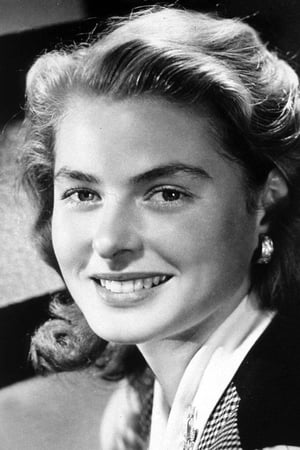
Ingrid Bergman
Ilsa Lund

Paul Henreid
Victor Laszlo

Claude Rains
Captain Louis Renault
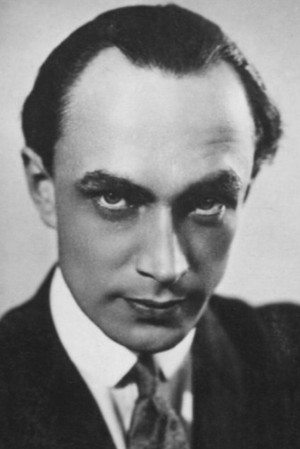
Conrad Veidt
Major Heinrich Strasser

Sydney Greenstreet
Signor Ferrari

Peter Lorre
Ugarte

S.Z. Sakall
Carl
Movie Information
| IMDb Rating | 8.5 |
| Genre | Drama, Romance, War |
| Runtime | 102 min |
| Director | Michael Curtiz |
| Writer | Philip G. Epstein, Julius J. Epstein, Howard Koch |
| Actors | Humphrey Bogart, Ingrid Bergman, Paul Henreid |
| Language | English, French, German, Italian, Russian |
| Country | United States |
| Awards | Won 3 Oscars. 18 wins & 12 nominations total |
| Released | 23 Jan 1943 |
Cast Performance
The magic of "Casablanca" is inextricably linked to the phenomenal performances of its lead actors. Humphrey Bogart delivers one of his most iconic portrayals as Rick Blaine, imbuing the cynical expatriate with a captivating blend of world-weariness and underlying romanticism. His nuanced expressions convey volumes, making Rick a character both tough and tender. Ingrid Bergman, as Ilsa Lund, brings an exquisite vulnerability and inner turmoil to her role, beautifully capturing the anguish of a woman torn between love and duty. Their on-screen chemistry is legendary, creating an emotional resonance that feels both powerful and tragically real. Supporting performances by Claude Rains as the charmingly corrupt Captain Renault and Paul Henreid as the noble Victor Laszlo further enrich the narrative, adding depth and complexity to the film's ensemble. Each actor contributes significantly to the movie's enduring legacy, crafting characters that remain etched in cinematic history.
Cinematography
The visual tapestry of "Casablanca" is a masterclass in classic Hollywood cinematography, expertly crafted to enhance its wartime atmosphere and romantic tension. Shot in stunning black and white, the film utilizes dramatic lighting and shadow to create a moody, often melancholic, aesthetic that perfectly complements its themes. Director Michael Curtiz and cinematographer Arthur Edeson employed low-key lighting techniques, reminiscent of film noir, to emphasize the moral ambiguity and high stakes faced by the characters. Close-ups on Bogart and Bergman are particularly effective, highlighting their emotional depth and the unspoken longing between them. The smoky, dimly lit interiors of Rick's Café feel both intimate and clandestine, drawing the audience into the hushed world of secrets and desperate hopes. This careful attention to visual detail not only anchors the film in its era but also elevates its narrative, making every frame contribute to its unforgettable storytelling.
Soundtrack
The soundtrack of "Casablanca" is as legendary as the film itself, contributing immeasurably to its emotional power and enduring appeal. Max Steiner's iconic score beautifully weaves through the narrative, underscoring moments of romance, tension, and heartbreak. The undisputed centerpiece is "As Time Goes By," the poignant song performed by Dooley Wilson as Sam, which serves as the musical motif for Rick and Ilsa's past and present love. Its melancholic melody instantly evokes nostalgia and longing, becoming an anthem for enduring love despite circumstance. Beyond this famous tune, the soundtrack is rich with other memorable pieces, including national anthems and traditional French songs, which ground the film in its wartime setting and heighten the sense of political unrest. The music is not merely background; it is an active character, deepening the audience's connection to the story and making the film's emotional impact truly unforgettable.
Review
"Casablanca" is more than just a film; it's a cultural phenomenon that continues to define excellence in cinema. Its enduring appeal stems from a masterful blend of witty dialogue, complex characters, and a poignant narrative that tackles themes of love, duty, and sacrifice with remarkable sophistication. The screenplay is a tight, brilliant construction, delivering quotable lines that have transcended generations. Director Michael Curtiz expertly balances romance, drama, and suspense, creating a pace that never falters. It's a film that resonates because it speaks to the universal human condition – the difficult choices we make, the loves we lose, and the courage we find in adversity. "Casablanca" isn't simply a historical artifact; it's a living, breathing testament to the power of storytelling, proving that a classic narrative, coupled with unparalleled performances, can truly stand the test of time and remain relevant for new audiences.
Box Office
Upon its release in 1943, "Casablanca" was an immediate commercial success, resonating deeply with wartime audiences. Its timely themes of patriotism, sacrifice, and the fight against fascism struck a chord with moviegoers looking for both escapism and a reflection of their own struggles. The film's initial theatrical run performed strongly, drawing large crowds and solidifying its profitability for Warner Bros. While exact historical box office figures for older films can be elusive and are often not directly comparable to modern metrics, it's clear that "Casablanca" quickly established itself as a popular attraction. Its enduring popularity, fueled by critical acclaim and a growing reputation as a classic, led to numerous re-releases over the decades, further cementing its financial success and ensuring its place as a perennial favorite in the cultural consciousness. The film's commercial viability, coupled with its critical accolades, created a powerful feedback loop that amplified its legend.
Awards
"Casablanca" was a critically acclaimed triumph, earning significant recognition during the 16th Academy Awards in 1944. The film notably took home three of the most prestigious Oscars: Best Picture, a testament to its overall artistic and production excellence; Best Director for Michael Curtiz, acknowledging his masterful helming of the complex narrative and cast; and Best Screenplay, celebrating the brilliant and enduring script penned by Julius J. Epstein, Philip G. Epstein, and Howard Koch. In total, "Casablanca" received eight Academy Award nominations, including nods for Best Actor (Humphrey Bogart), Best Supporting Actor (Claude Rains), Best Cinematography (Arthur Edeson), Best Film Editing (Owen Marks), and Best Original Score (Max Steiner). These accolades firmly established "Casablanca" as a cinematic landmark, recognized by its peers as a groundbreaking achievement in Hollywood filmmaking and cementing its place in the annals of cinema history.
Who Should Watch This Movie?
"Casablanca" is an absolute must-watch for a remarkably broad audience. If you're a fan of classic Hollywood cinema, this film offers a perfect example of its golden age, showcasing impeccable storytelling and iconic performances. Lovers of romantic dramas will be captivated by the complex, poignant love story at its heart, filled with longing and sacrifice. History enthusiasts interested in the World War II era will appreciate its atmospheric depiction of wartime anxieties and the refugee experience. Aspiring screenwriters and film students should study its sharp, memorable dialogue and masterful plot construction. Essentially, anyone who appreciates a well-crafted narrative, powerful acting, and themes that resonate deeply with the human experience will find something to cherish in "Casablanca." It's a film that transcends genres, offering a timeless experience that continues to entertain, provoke thought, and move hearts.
Frequently Asked Questions
What is "Casablanca" (1943) about?
"Casablanca" is a classic romantic drama set during World War II in the Moroccan city of Casablanca. It tells the story of Rick Blaine, a cynical American expatriate who runs a popular nightclub, whose life is turned upside down when his former lover, Ilsa Lund, arrives with her husband, Victor Laszlo, a renowned resistance leader. The film explores themes of love, sacrifice, duty, and moral choices amidst political intrigue.
Why is "Casablanca" considered a classic film?
"Casablanca" is considered a classic due to its exceptional storytelling, iconic performances by Humphrey Bogart and Ingrid Bergman, memorable dialogue, and a timeless soundtrack including "As Time Goes By." Its exploration of universal themes like love, loss, and sacrifice, set against a compelling historical backdrop, makes it resonate deeply with audiences across generations. It's often praised for its masterful direction, screenplay, and enduring cultural impact.
Who are the main actors in "Casablanca"?
The main actors in "Casablanca" are Humphrey Bogart, who plays Rick Blaine, the cynical American nightclub owner, and Ingrid Bergman, who portrays Ilsa Lund, Rick's former lover. They are joined by Paul Henreid as Victor Laszlo, Ilsa's noble husband, and Claude Rains as the charmingly corrupt Captain Louis Renault, among a strong supporting cast.
What famous song is in "Casablanca"?
The most famous song from "Casablanca" is "As Time Goes By." Performed by Dooley Wilson as Sam, the pianist at Rick's Café Américain, the song serves as the poignant theme for Rick and Ilsa's love story, symbolizing their past and the rekindled emotions between them. It has become an iconic piece of cinematic music, instantly recognizable and deeply evocative of the film's romantic heart.
Is "Casablanca" based on a true story?
No, "Casablanca" is not based on a true story. It is a work of fiction adapted from an unproduced play titled "Everybody Comes to Rick's" by Murray Burnett and Joan Alison. While the film accurately reflects the historical context and anxieties of World War II and the refugee crisis in Vichy-controlled French Morocco, the characters and specific events are fictional creations.
Official Trailer
You May Also Like

Minah
2019
⭐ 0.0

The Silence of the Lambs
1991
⭐ 8.3

Amadeus
1984
⭐ 8.0

The Apartment
1960
⭐ 8.2
Bull Durham
1988
⭐ 6.6

Pi
1998
⭐ 7.1
Related Movies
Conclusion
In conclusion, "Casablanca" stands as a monumental achievement in cinematic history, a film whose legacy has only grown stronger with each passing decade. Its potent blend of romance, intrigue, and moral dilemmas, set against the tumultuous backdrop of World War II, continues to captivate audiences worldwide. From the unforgettable performances of Humphrey Bogart and Ingrid Bergman to its iconic soundtrack and quotable dialogue, every element contributes to its status as a timeless classic. It's a story of profound choices, enduring love, and the sacrifices made for a greater cause, wrapped in a package of masterful filmmaking. "Casablanca" is not merely a film to be watched; it's an experience to be savored, offering layers of meaning and emotion that reveal themselves with every viewing. Its status as a cinematic masterpiece is undisputed, ensuring its place in the pantheon of great films for generations to come.
Visit TMDB for more information.