1917 (2020) Movie Guide | Cast, Story, Review, Ending Explained & Where to Watch
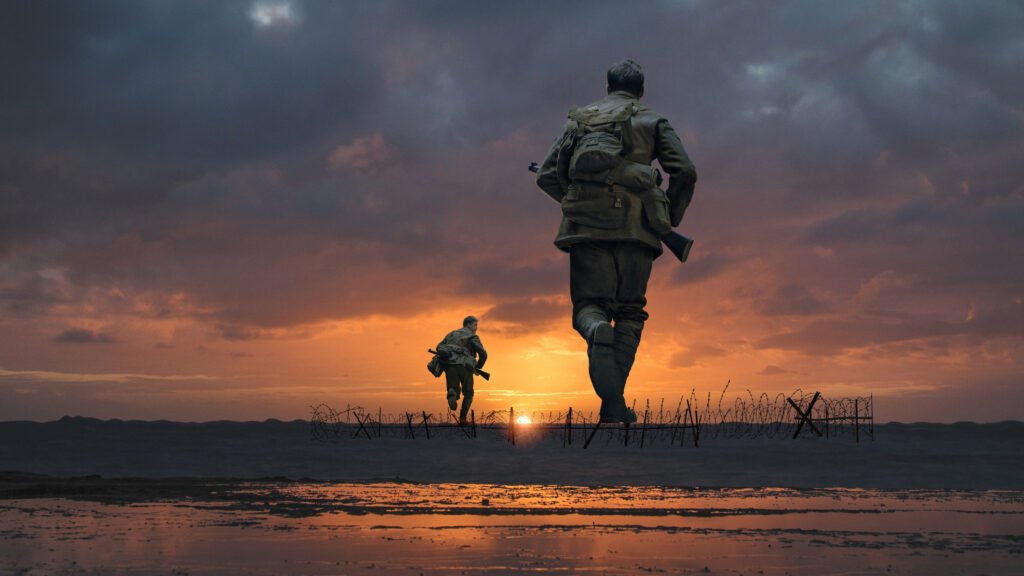


1917 (2020)
⭐ IMDb Rating: 8.2
🎭 Genre: Action, Drama, War
⏱ Runtime: 119 min
🎬 Director: Sam Mendes
📅 Released: 10 Jan 2020
🌍 Country: United Kingdom, United States, India, Spain
Introduction
The 2019 cinematic marvel, "1917," directed by the visionary Sam Mendes, redefined the war film genre with its audacious technical ambition. This immersive World War I epic transports viewers directly into the harrowing trenches and desolate landscapes of the Western Front. It offers an unparalleled, visceral journey that captivates from its opening moments.
Mendes, known for his masterful storytelling, crafted "1917" not just as a historical narrative but as a groundbreaking cinematic experience. The film quickly garnered global attention for its unique presentation and powerful emotional resonance. Its impact on audiences and critics alike solidified its place as a modern classic.
This article delves into the various facets that make "1917" a monumental achievement in filmmaking. We will explore its captivating story, compelling performances, groundbreaking cinematography, and evocative soundtrack. Prepare to journey into the heart of a pivotal moment in cinematic history.
Story
The core narrative of "1917" centers on two young British Lance Corporals, Schofield and Blake, tasked with an seemingly impossible mission during the height of World War I. They must deliver a critical message deep behind enemy lines to stop a large-scale attack, potentially saving thousands of lives. The clock is ticking, and every second counts.
Their perilous journey takes them across dangerous terrain, through deserted trenches, and into unpredictable encounters. The film masterfully builds tension as the urgency of their task becomes increasingly palpable with each step they take. Viewers are swept into their relentless pursuit against overwhelming odds.
The film’s storyline emphasizes the sheer brutality and immense personal sacrifice inherent in wartime. It's a testament to the human spirit under extreme duress, highlighting themes of duty, camaraderie, and the will to survive. The emotional weight of their mission resonates deeply, making for a truly gripping experience.
Main Cast

George MacKay
Lance Corporal Schofield

Dean-Charles Chapman
Lance Corporal Blake
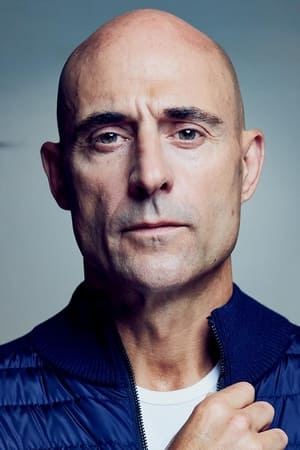
Mark Strong
Captain Smith

Andrew Scott
Lieutenant Leslie

Richard Madden
Lieutenant Blake

Claire Duburcq
Lauri

Colin Firth
General Erinmore
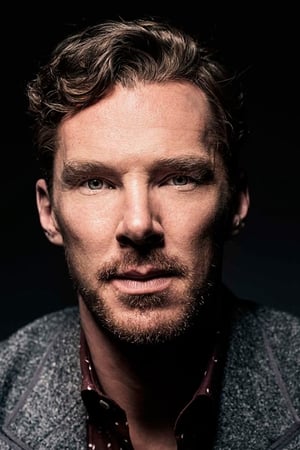
Benedict Cumberbatch
Colonel MacKenzie
Movie Information
| IMDb Rating | 8.2 |
| Genre | Action, Drama, War |
| Runtime | 119 min |
| Director | Sam Mendes |
| Writer | Sam Mendes, Krysty Wilson-Cairns |
| Actors | Dean-Charles Chapman, George MacKay, Daniel Mays |
| Language | English, French, German |
| Country | United Kingdom, United States, India, Spain |
| Awards | Won 3 Oscars. 137 wins & 202 nominations total |
| Released | 10 Jan 2020 |
Cast Performance
George MacKay and Dean-Charles Chapman deliver truly compelling and physically demanding performances as Lance Corporals Schofield and Blake. Their portrayal of two ordinary soldiers thrust into an extraordinary situation forms the emotional backbone of "1917." Audiences are drawn into their individual struggles and their unwavering bond.
MacKay’s nuanced depiction of Schofield showcases a soldier burdened by the past yet driven by duty, conveying immense resilience and quiet determination. Chapman brings a hopeful innocence and fierce loyalty to Blake, making his character's plight particularly poignant. Their chemistry is undeniable, making their partnership believable and heartfelt.
The film also features impactful cameos from renowned actors, each brief appearance adding significant weight and authenticity to the narrative. These supporting roles underscore the vast human cost of the conflict, further enriching the film's already powerful emotional landscape. Their collective performances elevate "1917" into a truly memorable ensemble piece.
Cinematography
Roger Deakins' legendary cinematography for "1917" is nothing short of revolutionary, meticulously crafted to simulate one continuous, unbroken shot. This technical marvel plunges the audience deep into the soldiers' perspective, fostering an immediate and intense connection. The seamless transitions and dynamic camera movements are a masterclass in visual storytelling, earning widespread critical acclaim.
This immersive technique is not a mere gimmick; it serves to heighten the tension and urgency of Schofield and Blake's mission. Every twist and turn, every moment of danger, feels incredibly immediate and real, as if the viewer is right there beside them. The camera becomes an invisible companion, witnessing every harrowing detail.
Deakins’ brilliant use of natural light and meticulously choreographed long takes creates breathtaking visuals, from the desolate beauty of no man's land to the claustrophobia of the trenches. The film's visual language is unparalleled, setting a new benchmark for immersive filmmaking. It's a true testament to the power of artistic and technical collaboration.
Soundtrack
Thomas Newman's haunting and evocative score for "1917" serves as an indispensable character, subtly guiding the audience through the film's emotional landscape. His compositions expertly enhance the escalating tension and underscore moments of profound despair and quiet hope. The music rarely overtakes the action but rather breathes life into every scene.
Newman masterfully weaves together orchestral pieces with atmospheric soundscapes, creating a unique sonic identity for the film. The score builds momentum during sequences of relentless pursuit and softens to reflect moments of poignant reflection. It’s a powerful testament to the art of film scoring, where music elevates storytelling without drawing undue attention to itself.
The soundtrack received widespread praise for its ability to immerse viewers deeper into the harrowing journey of the two soldiers. Its emotional resonance lingers long after the credits roll, becoming an unforgettable part of the overall cinematic experience. Newman’s work truly captures the somber grandeur and desperate urgency of the Great War.
Review
"1917" stands as a monumental achievement in modern cinema, heralded by critics as a groundbreaking and emotionally resonant war film. Its innovative "one-shot" cinematography, coupled with a gripping narrative, delivers an unparalleled immersive experience. Many reviews lauded it as a masterclass in directorial vision and technical execution.
The film garnered immense critical acclaim for its raw depiction of the World War I trenches and the relentless struggle of its protagonists. Critics praised the compelling performances of George MacKay and Dean-Charles Chapman, noting their ability to carry the film's immense emotional weight. The film’s ability to blend spectacle with intimate human drama was frequently highlighted.
Overall, "1917" is considered a must-see cinematic event that transcends the typical war movie genre. Its powerful storytelling, breathtaking visuals, and poignant score combine to create an unforgettable and impactful viewing experience. It truly redefined what is possible in contemporary filmmaking, leaving an indelible mark on its audience.
Box Office
"1917" achieved remarkable commercial success at the global box office, surpassing initial expectations and demonstrating its broad appeal. The film's unique cinematic approach and strong critical buzz contributed significantly to its impressive earnings worldwide. It quickly established itself as one of the highest-grossing films of its year.
Its robust performance in theaters reflected audience appreciation for its technical brilliance and compelling storytelling. The immersive nature of the film encouraged repeat viewings and word-of-mouth recommendations, further boosting its revenue. "1917" proved that audiences are willing to embrace ambitious and original filmmaking.
The film's strong box office returns solidified its status as a major cinematic event, appealing to a wide range of viewers beyond traditional war film enthusiasts. This commercial triumph underscored its critical success, affirming its place as both an artistic and financial powerhouse. It was a true standout in a competitive film market.
Awards
"1917" was a dominant force during award season, sweeping numerous accolades for its exceptional achievements in filmmaking. The film notably won three Academy Awards, including Best Cinematography for Roger Deakins, Best Sound Mixing, and Best Visual Effects. These wins celebrated its technical ingenuity and immersive design.
Beyond the Oscars, Sam Mendes was recognized with the Golden Globe Award for Best Director, a testament to his visionary leadership and ambitious storytelling. The film itself also secured the Golden Globe for Best Motion Picture – Drama. These prestigious honors cemented its status as a top-tier contender.
Its awards success extended to the British Academy Film Awards (BAFTAs), where it won an astounding seven awards, including Best Film and Best Director. "1917" was consistently acknowledged for its groundbreaking technical elements, emotional depth, and overall cinematic brilliance across various esteemed platforms. This widespread recognition highlighted its profound impact.
Who Should Watch This Movie?
Anyone seeking an unparalleled immersive cinematic experience should definitely watch "1917." This film is particularly a must-see for fans of historical dramas and war films who appreciate meticulous detail and authentic portrayals. Its innovative storytelling sets a new standard for the genre.
Cinephiles and aspiring filmmakers will be captivated by Roger Deakins' groundbreaking cinematography and Sam Mendes' visionary direction. The technical brilliance alone makes it a masterclass in modern filmmaking that warrants close study. It's a profound example of how form can elevate content.
Viewers looking for a powerful, emotionally resonant story about duty, sacrifice, and the human spirit will find "1917" deeply moving. It offers a unique perspective on World War I, focusing on the individual journey within a massive conflict. Prepare for an intense and unforgettable journey.
Frequently Asked Questions
Is "1917" based on a true story?
"1917" is not a direct adaptation of a single true story but is deeply inspired by true accounts and the personal stories told to director Sam Mendes by his grandfather, Alfred H. Mendes, a World War I veteran. The specific mission depicted is fictionalized but captures the essence of the era.
How was "1917" filmed to look like one continuous shot?
The film achieves its immersive 'one-shot' appearance through a masterful combination of meticulously choreographed long takes and clever, nearly invisible cuts. These edits are strategically hidden within dark frames or behind moving objects, creating the illusion of a seamless, continuous journey. It's a triumph of filmmaking technique.
Who directed the movie "1917"?
The critically acclaimed film "1917" was directed by the Oscar-winning filmmaker Sam Mendes. He also co-wrote the screenplay with Krysty Wilson-Cairns. Mendes' personal connection to the history deeply informed his ambitious vision for the project.
What is the main premise of "1917"?
The main premise follows two young British soldiers, Lance Corporals Schofield and Blake, during World War I. They are tasked with delivering an urgent message across enemy territory to call off a doomed offensive. This mission could save the lives of 1,600 men, including Blake's own brother.
Is "1917" suitable for all audiences?
"1917" is rated R for strong war violence, disturbing images, and some language. Due to its intense and graphic depiction of combat and its emotional weight, it is not recommended for young children or sensitive viewers. Parental guidance is strongly advised.
Official Trailer
You May Also Like

Once Upon a Time in China
2024
⭐ 6.5

Kaala
2018
⭐ 6.4

The Old and The Young King
1935
⭐ 6.0
Alexander The Great
1968
⭐ 5.0

Five Stars
2026
⭐ 0.0
Ballad About a Trumpet and a Cloud
1961
⭐ 6.1
Related Movies
Conclusion
"1917" transcends the typical war film, offering an unforgettable and deeply personal journey into the heart of World War I. Sam Mendes' directorial ambition, combined with Roger Deakins' revolutionary cinematography, created an immersive experience unlike any other. It truly represents a landmark achievement in cinematic artistry and technical innovation.
The film's powerful narrative, anchored by compelling performances and an evocative score, ensures its lasting impact on audiences. It’s a testament to the courage and sacrifice of those who served, brought to life with astonishing realism and emotional depth. "1917" rightfully earned its place as a modern classic.
For anyone looking for a film that pushes the boundaries of storytelling and visual execution, "1917" is an essential viewing. Its legacy will undoubtedly continue to inspire filmmakers and captivate viewers for generations to come. This cinematic triumph truly must be experienced. You will also like Metropolis 1927.
Learn more about 1917 on
Official TMDb Page