Ran (1985) Movie Guide | Cast, Story, Review, Ending Explained & Where to Watch

Ran (1985)
⭐ IMDb Rating: 8.2
🎭 Genre: Action, Drama, War
⏱ Runtime: 160 min
🎬 Director: Akira Kurosawa
📅 Released: 01 Jun 1985
🌍 Country: Japan, France
Introduction
Akira Kurosawa's "Ran," released in 1985, stands as a monumental achievement in cinematic history, a sweeping epic that redefined the boundaries of visual storytelling. This Japanese masterpiece, meaning "chaos" or "rebellion," offers a breathtaking journey into a world of betrayal and ambition.
It masterfully intertwines Shakespearean themes with ancient Japanese history, creating a narrative that resonates deeply with audiences worldwide. The film remains a testament to Kurosawa's unparalleled vision and his ability to craft timeless human dramas on an epic scale.
It is widely celebrated for its stunning cinematography, intricate production design, and powerful performances that leave an indelible mark. It invites viewers to ponder the devastating consequences of unchecked power and the fragile nature of loyalty within a fractured family.
Its grand scope and profound emotional depth solidify its place as a cornerstone of global cinema. It isn't merely a movie; it's an experience that challenges and captivates its audience from beginning to end.
The film's exploration of fate, madness, and the cyclical nature of violence ensures its continued relevance. It truly embodies the pinnacle of cinematic artistry and storytelling.
Story
At its heart, it tells a poignant tale inspired by William Shakespeare's King Lear, transplanted to feudal Japan. The narrative centers on an aging warlord, Lord Hidetora Ichimonji, who decides to divide his vast kingdom among his three sons.
He believes this act of abdication will ensure peace and a harmonious transition of power in his twilight years. However, this seemingly benevolent decision swiftly unravels, setting into motion a chain of tragic events.
The film explores the devastating impact of his choice, as his sons' true natures are revealed amidst a power vacuum. Loyalty is tested, ambition ignites, and the familial bonds shatter under immense pressure.
It delves deep into themes of power, family betrayal, and the inherent chaos of human nature. The dramatic conflict escalates into brutal warfare, painting a vivid picture of a kingdom in turmoil.
This epic historical drama portrays the fragility of power and the tragic consequences of a patriarch's misjudgments. It showcases how even the most established empires can crumble from within.
The narrative unfolds with a relentless pace, keeping viewers engrossed in the unfolding tragedy. It's a powerful exploration of the human condition against a backdrop of feudal warfare.
Main Cast
Cast information unavailable.
Movie Information
| IMDb Rating | 8.2 |
| Genre | Action, Drama, War |
| Runtime | 160 min |
| Director | Akira Kurosawa |
| Writer | Akira Kurosawa, Hideo Oguni, Masato Ide |
| Actors | Tatsuya Nakadai, Akira Terao, Jinpachi Nezu |
| Language | Japanese |
| Country | Japan, France |
| Awards | Won 1 Oscar. 30 wins & 23 nominations total |
| Released | 01 Jun 1985 |
Cast Performance
The performances in "Ran" are nothing short of monumental, anchored by Tatsuya Nakadai's unforgettable portrayal of Lord Hidetora. His transformation from a formidable warlord to a broken, tormented figure is absolutely captivating.
Nakadai conveys a spectrum of emotions with incredible depth, portraying Hidetora's descent into madness with haunting realism. His nuanced performance anchors the film's profound emotional weight.
The supporting cast also delivers powerful and memorable roles, contributing significantly to the film's dramatic intensity. Each actor brings a distinct intensity to their complex characters, making the internal conflicts palpable.
Mei Tsumura, as Lady Kaede, delivers a chilling performance as a vengeful and manipulative figure. Her icy resolve and calculating demeanor add a layer of psychological complexity to the unfolding drama.
Akira Terao and Jinpachi Nezu, playing Hidetora's elder sons Taro and Jiro, skillfully embody their characters' escalating ambition and treachery. Their evolving dynamics drive much of the film's central conflict.
Daisuke Ryu, as the youngest son Saburo, provides a striking contrast with his unwavering honesty and moral conviction. His performance highlights the tragic repercussions of not heeding genuine counsel.
Collectively, the ensemble cast creates a tapestry of human frailty, ambition, and despair. Their powerful acting elevates "Ran" from a historical epic to a deeply personal tragedy, making it a truly immersive experience.
Cinematography
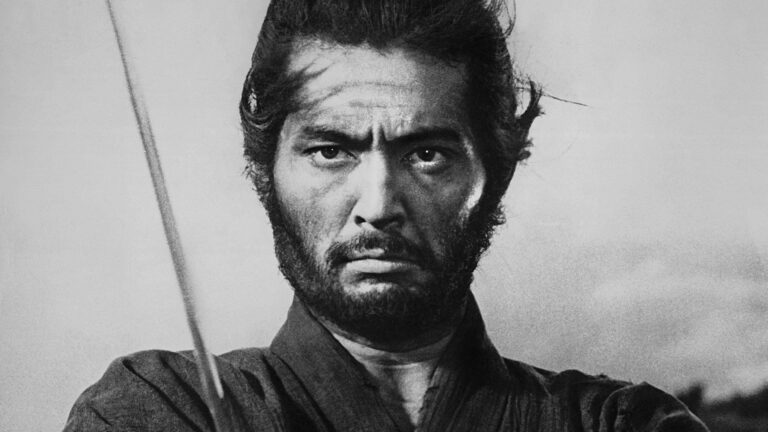
"Ran" is renowned for its breathtaking cinematography, a visual feast meticulously crafted by director Akira Kurosawa alongside cinematographers Takao Saito and Masaharu Ueda. The film's sweeping landscapes and vibrant color palette are simply unforgettable.
Every frame is a masterpiece, often resembling classical Japanese paintings with stunning compositions and dynamic use of space. The use of natural light and meticulous set design creates an authentic and immersive feudal Japan.
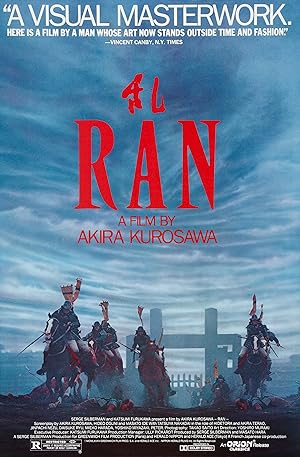
The film's iconic color symbolism, particularly the distinct hues assigned to each warring faction, is a masterstroke in visual storytelling. These colors not only differentiate armies but also reflect their emotional states and allegiances.
Battle sequences are staged with an unparalleled sense of scale and realism, capturing the brutal chaos of ancient warfare. Kurosawa famously employed multiple cameras and long lenses to achieve these epic, panoramic shots.
The wide, expansive shots emphasize the isolation and insignificance of human conflict against nature's grandeur. These visuals contribute immensely to the film's overarching themes of tragedy and destruction.
From the burning castles to the desolate plains, the imagery in "Ran" is consistently powerful and emotionally resonant. It's a testament to Kurosawa's unwavering artistic vision and his crew's exceptional technical prowess.
The cinematography elevates the narrative, transforming a historical drama into a visually stunning piece of art. Viewers are treated to a spectacle that is both grand in scale and incredibly detailed in its execution.
Soundtrack
Toru Takemitsu’s evocative score for "Ran" is an integral component of its profound emotional impact, masterfully complementing Kurosawa’s visual epic. The music is deliberately sparse at times, allowing the film's stunning visuals and raw sounds to carry significant weight.
Takemitsu's compositions blend traditional Japanese instrumentation with Western orchestral elements, creating a unique and haunting soundscape. His ability to evoke both grandeur and desolation through music is truly remarkable.
The score often shifts between periods of intense, percussive chaos during battle scenes and moments of profound, mournful silence. This dynamic contrast heightens the drama and emotional resonance of each sequence.
Rather than constantly accompanying the action, the music frequently surfaces during critical emotional beats or transitional moments. This deliberate placement ensures maximum impact when the score does make its presence known.
The main theme, with its haunting melodies and traditional Japanese flutes, lingers long after the credits roll. It perfectly captures the film’s sense of impending doom and its underlying melancholic beauty.
Takemitsu's work is not merely background music; it acts as another character, guiding the audience's emotional journey through the film's tragic narrative. The score powerfully underscores themes of loss, betrayal, and the futility of war.
His contribution to "Ran" is widely celebrated as one of the finest film scores in cinematic history, demonstrating how sound can elevate visual storytelling to transcendent levels. The soundtrack is a masterclass in subtlety and power.
Review
"Ran" is universally hailed by critics and audiences alike as a towering achievement in world cinema and a true masterpiece. Its profound themes, spectacular visuals, and powerful performances combine to create an unforgettable experience.
Many reviewers lauded its ambition, scope, and the sheer audacity of Kurosawa's vision, particularly given his age at the time of its making. The film often appears on lists of the greatest films ever made.
Its unflinching portrayal of human folly, the destructive nature of power, and the cyclical pattern of violence resonates deeply. "Ran" challenges viewers to confront uncomfortable truths about ambition and legacy.
The film's visual artistry, with its meticulously composed frames and vibrant color palette, frequently draws comparisons to classical painting. Every shot is considered a work of art in itself, contributing to its grand scale.
Tatsuya Nakadai's central performance is consistently singled out for its raw intensity and emotional depth, providing the narrative with a compelling human core. His portrayal of Hidetora’s madness is particularly harrowing.
Despite its tragic subject matter, "Ran" offers a compelling narrative that captivates from beginning to end, showcasing Kurosawa's storytelling genius. It’s a film that stays with you long after the final scene.
This epic stands as a testament to the enduring power of cinema to explore complex human emotions on an unparalleled scale. "Ran" remains a timeless classic, continually praised for its artistic and philosophical depth.
Box Office
"Ran" represented a monumental financial undertaking for Japanese cinema, boasting an exceptionally large budget for its time. Kurosawa’s grand vision required significant investment, particularly for its elaborate sets, thousands of extras, and intricate costumes.
Upon its release, the film garnered considerable international attention, translating into a strong performance globally, especially for a non-English language film. Its widespread critical acclaim certainly contributed to its commercial reach.
While specific global box office figures for classic foreign films can be hard to standardize and compare, "Ran" was undeniably a commercial success for a film of its magnitude. It successfully recouped its substantial production costs over time.
The movie’s impressive visual spectacle and the international reputation of Akira Kurosawa drew audiences worldwide. Its release was a major event in international art house cinemas.
Its enduring popularity and status as a classic continue to generate revenue through various distribution channels over decades. This long-term appeal underscores its powerful impact beyond initial theatrical runs.
"Ran" proved that a meticulously crafted, epic foreign film could achieve significant commercial viability on the global stage. Its success paved the way for future ambitious international productions.
The film's financial performance validated Kurosawa's ambitious vision, demonstrating that artistic integrity and commercial viability could coexist. It remains a benchmark for epic historical dramas.
Awards
"Ran" received widespread critical acclaim and numerous prestigious accolades from around the globe, solidifying its place in cinematic history. The film’s exceptional artistry was recognized by major film institutions worldwide.
Among its most notable achievements were four Academy Award nominations, including Best Director for Akira Kurosawa. This recognition highlighted the film's profound impact on international cinema.
It famously secured an Academy Award for Best Costume Design, a fitting tribute to its meticulously crafted and visually stunning period attire. Emi Wada's incredible work truly stood out.
The film was also nominated for Best Cinematography and Best Art Direction, underscoring its unparalleled visual grandeur and innovative production design. These nominations celebrated its overall aesthetic brilliance.
Beyond the Oscars, "Ran" received considerable praise at numerous international film festivals and industry awards ceremonies. Its recognition extended across various categories, including direction and technical achievement.
Kurosawa was recognized for his masterful direction, with many praising his unwavering vision and ability to command such a massive production. These accolades cemented his legendary status.
The numerous honors bestowed upon "Ran" are a testament to its enduring artistic merit and its powerful influence on subsequent generations of filmmakers. It remains a highly decorated and celebrated classic.
Who Should Watch This Movie?
"Ran" is an essential watch for anyone with an appreciation for epic filmmaking and profound storytelling. If you enjoy historical dramas that delve deep into human nature, this film is undeniably for you.
Fans of Akira Kurosawa's previous works, such as "Seven Samurai" or "Throne of Blood," will find "Ran" to be a masterful continuation of his signature style and thematic concerns. It showcases his genius at its peak.
Those interested in world cinema, especially Japanese cinema, will discover a pivotal work that influenced countless directors globally. Its visual language and narrative depth are highly celebrated.
If you're drawn to narratives inspired by Shakespearean tragedies, "Ran" offers a spectacular, culturally rich adaptation of "King Lear." The film translates timeless themes into a compelling new setting.
Viewers who appreciate meticulous production design, stunning cinematography, and large-scale battle sequences will be captivated by its visual splendor. Every frame is a work of art, demanding attention.
Anyone seeking a film that prompts deep reflection on power, family dynamics, and the consequences of ambition will find "Ran" incredibly rewarding. It's a powerful meditation on the human condition.
Ultimately, "Ran" is for serious cinephiles and anyone looking for a truly transformative cinematic experience. Prepare for a film that is both visually breathtaking and emotionally resonant, leaving a lasting impression.
Frequently Asked Questions
What does the title "Ran" mean?
The Japanese title "Ran" translates to "chaos" or "rebellion" in English. This meaning perfectly encapsulates the film's central themes of political upheaval, familial discord, and the complete breakdown of order.
Is "Ran" based on a true story?
While set in feudal Japan, "Ran" is not based on a specific true historical event. It is a loose adaptation of William Shakespeare's "King Lear," reimagined within a distinct Japanese historical context.
What makes "Ran" visually significant?
It is renowned for its stunning cinematography and use of vibrant color symbolism, particularly in differentiating warring factions. Every frame is meticulously composed, often resembling classical Japanese paintings, creating an unparalleled visual experience.
How does "Ran" relate to Shakespeare's "King Lear"?
It draws significant inspiration from "King Lear," specifically the story of an aging ruler dividing his kingdom among his children. Kurosawa masterfully reinterprets Lear's themes of betrayal and madness within a unique Japanese historical setting.
Is "Ran" suitable for all audiences?
It contains intense and graphic depictions of feudal warfare, violence, and mature themes of betrayal and madness. Due to its mature content, it is generally recommended for older audiences and those who appreciate historical epics.
Official Trailer
Related Movies
Conclusion
Akira Kurosawa's "Ran" remains an unparalleled cinematic achievement, a majestic and poignant testament to the director's extraordinary vision and enduring legacy. It stands as a pinnacle of historical epic filmmaking.
Its blend of Shakespearean tragedy, ancient Japanese warfare, and universal themes of power and betrayal creates a narrative that transcends cultural boundaries. The film's resonance continues to inspire and challenge audiences worldwide.
From Tatsuya Nakadai's powerful central performance to the breathtaking cinematography and Toru Takemitsu's haunting score, every element of "Ran" is meticulously crafted to perfection. It is a harmonious symphony of artistic and technical mastery.
The film's exploration of chaos, madness, and the fragility of human existence leaves a profound and lasting impact on its viewers. It serves as a timeless cautionary tale about unchecked ambition and familial discord.
"It is more than just a movie; it is an immersive experience that commands attention and rewards contemplation. Its visual grandeur combined with its emotional depth makes it an unforgettable journey.
As a landmark in Japanese cinema and world cinema, "Ran" continues to be studied, admired, and cherished by filmmakers and audiences alike. Its influence on subsequent generations remains undeniable.
Watching this film is an essential pilgrimage for any film enthusiast, offering a glimpse into the genius of a master director at the height of his powers. It’s an undisputed masterpiece that truly defines the art of filmmaking. You will also like The Thing 1982.
Learn more about Ran on
Official TMDb Page