Harakiri (1964) Movie Guide | Cast, Story, Review, Ending Explained & Where to Watch
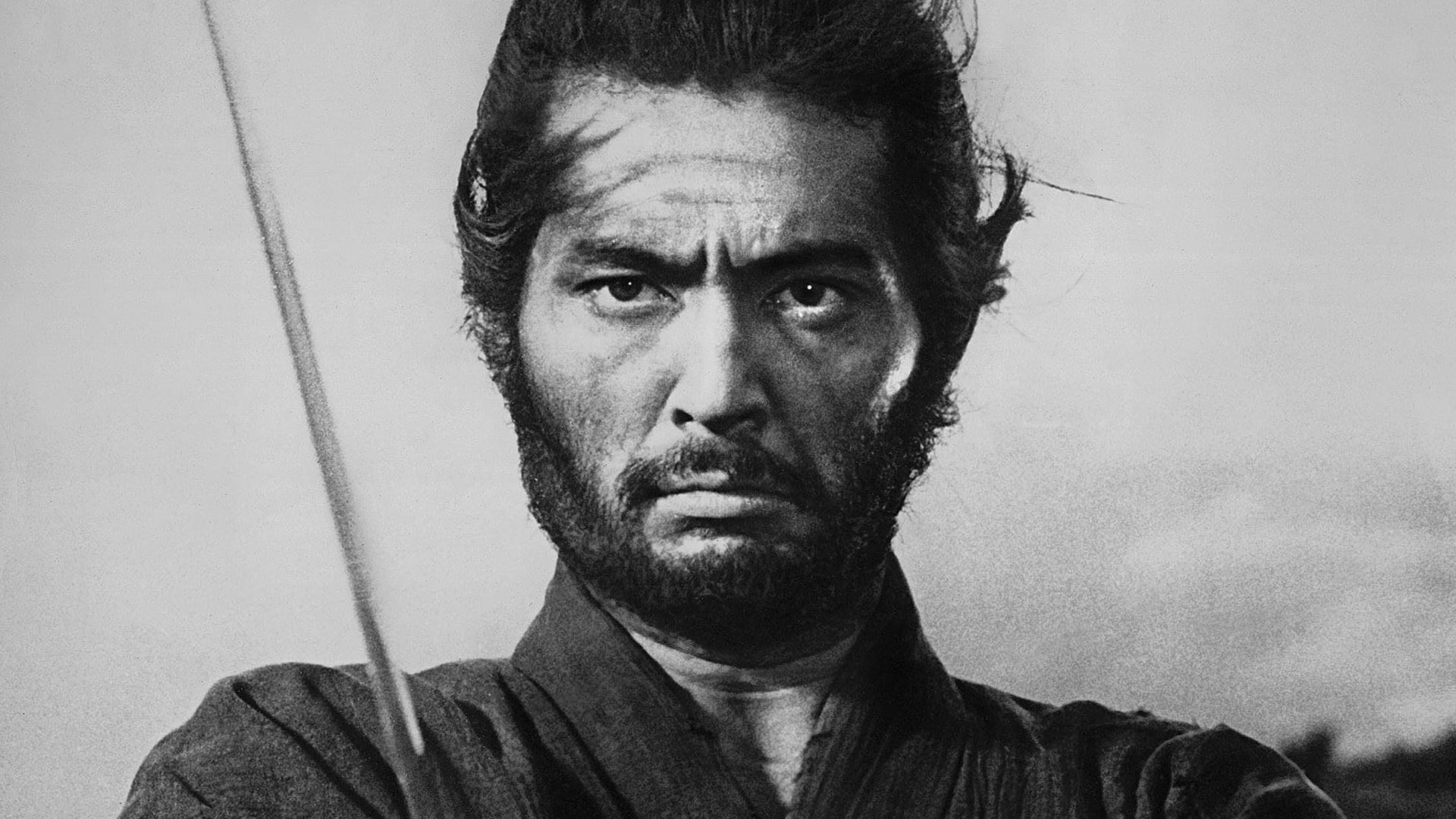

Harakiri (1964)
⭐ IMDb Rating: 8.6
🎭 Genre: Drama, Mystery
⏱ Runtime: 133 min
🎬 Director: Masaki Kobayashi
📅 Released: 04 Aug 1964
🌍 Country: Japan
Introduction
Step into the austere, challenging world of feudal Japan with Masaki Kobayashi's cinematic masterpiece, "Harakiri" (also known as "Seppuku"), released in 1964. Far from a mere samurai action flick, this profound and visually arresting film stands as a towering achievement in global cinema, meticulously deconstructing the very essence of honor, duty, and the hypocrisy within rigid social structures. Widely regarded as one of the greatest Japanese films ever made, "Harakiri" transcends its historical setting to deliver a universally resonant critique of power and individual integrity. From its striking black-and-white cinematography to its meticulously crafted narrative, the film invites viewers to question established norms and consider the true cost of unyielding tradition. Prepare for an unforgettable journey into a world where personal conviction clashes dramatically with societal expectation, leaving an indelible mark on all who experience its powerful message.
Story
At the heart of "Harakiri" lies a narrative of profound emotional depth and intricate revelation. The film introduces us to Hanshiro Tsugumo, a stoic and weary ronin, a masterless samurai, who arrives at the prestigious Edo period estate of the Iyi clan. His request is simple yet audacious: to be allowed to commit seppuku, ritual suicide, in their courtyard. While such requests were not uncommon during this era, often used by destitute ronin to garner charity, the clan's chief counselor, Kageyu Saito, recounts a chilling tale of a previous ronin who made a similar plea, only to be tested with grave consequences. As Tsugumo begins to tell his own story, a web of past events, desperation, and injustice slowly unravels. The narrative skillfully employs flashbacks, meticulously revealing the tragic circumstances that led him to this fateful moment, turning what appears to be a straightforward act of honor into a devastating indictment of a system that prioritizes appearances over genuine compassion. It's a journey into the moral landscape of a society on the brink.
Main Cast

Tatsuya Nakadai
Hanshiro Tsugumo

Akira Ishihama
Motome Chijiiwa

Shima Iwashita
Miho Tsugumo

Tetsuro Tamba
Hikokuro Omodaka
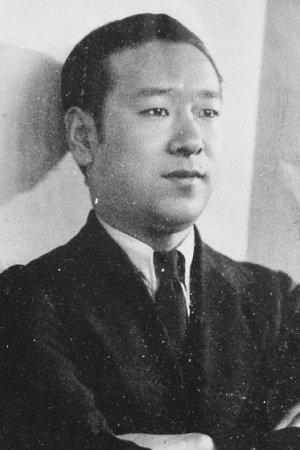
Masao Mishima
Tango Inaba

Ichirō Nakatani
Hayato Yazaki

Kei Satō
Masakazu

Yoshio Inaba
Jinai Chijiiwa
Movie Information
| IMDb Rating | 8.6 |
| Genre | Drama, Mystery |
| Runtime | 133 min |
| Director | Masaki Kobayashi |
| Writer | Yasuhiko Takiguchi, Shinobu Hashimoto |
| Actors | Tatsuya Nakadai, Akira Ishihama, Shima Iwashita |
| Language | Japanese |
| Country | Japan |
| Awards | 9 wins & 3 nominations total |
| Released | 04 Aug 1964 |
Cast Performance
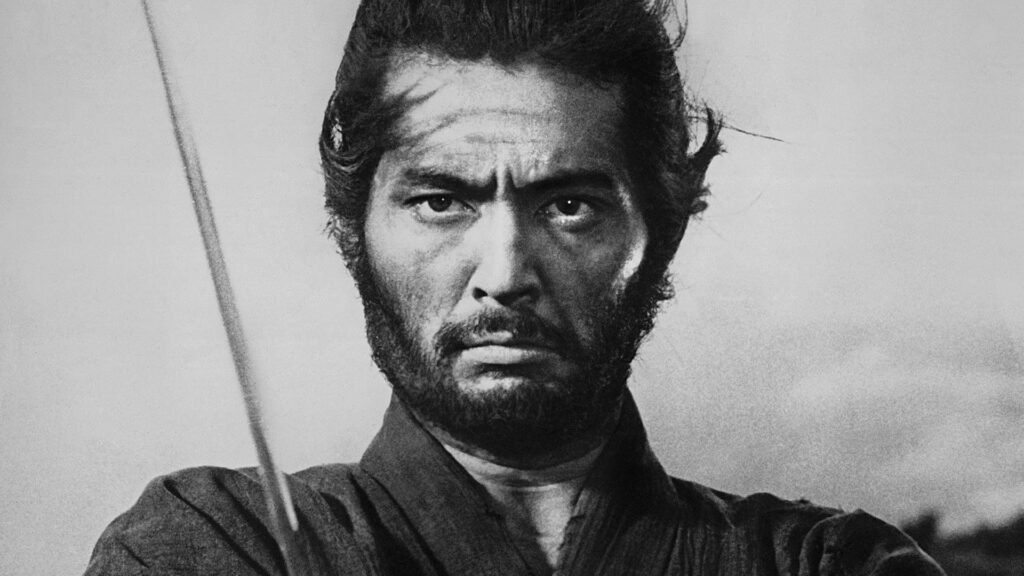
The power of "Harakiri" is undeniably anchored by Tatsuya Nakadai's tour-de-force performance as Hanshiro Tsugumo. Nakadai, already a formidable presence in Japanese cinema, delivers a portrayal of immense gravitas and controlled intensity. His stoicism masks a deep well of suffering and determination, conveying more with a single glance than many actors achieve with pages of dialogue. He embodies the internal struggle of a man pushed to his absolute limits, making Tsugumo an unforgettable figure of quiet defiance and profound sorrow. The supporting cast, though perhaps less individually prominent, collectively contributes to the film's suffocating atmosphere of institutional rigidity. Rentaro Mikuni as Kageyu Saito, the chief counselor, perfectly encapsulates the unfeeling, bureaucratic adherence to the samurai code, providing a powerful foil to Nakadai's tormented protagonist. Their performances create a compelling dynamic that highlights the film's central conflict between individual suffering and societal inflexibility, making every interaction crackle with unspoken tension and moral weight.
Cinematography
Masaki Kobayashi’s "Harakiri" is a masterclass in visual storytelling, elevated by its breathtaking black-and-white cinematography, handled by the brilliant Yoshio Miyajima. The film’s aesthetic is stark, minimalist, and incredibly impactful, using contrast and shadow to amplify the somber, unforgiving atmosphere of feudal Japan. Every frame feels meticulously composed, often resembling a classical Japanese painting, yet imbued with a dynamic sense of tension. Kobayashi employs wide shots that emphasize the smallness of individuals against the imposing architecture of the clan estate, subtly hinting at the overwhelming power of the system they confront. Close-ups are used sparingly but effectively, drawing the viewer into the raw emotion etched on the characters' faces. The deliberate pacing allows the camera to linger, absorbing details and building a palpable sense of dread and suspense. The visual language of "Harakiri" is not just beautiful; it's an integral part of its thematic exploration, using light and shadow to articulate moral ambiguities and the stark realities of honor and shame.
Soundtrack
The aural landscape of "Harakiri" is as crucial to its impact as its visual brilliance, thanks to the masterful and evocative score by Toru Takemitsu. Known for his avant-garde compositions, Takemitsu crafts a soundtrack that is far from conventional, eschewing grand orchestral flourishes for a more subtle, percussive, and often unsettling approach. His music rarely dictates emotion but rather complements and enhances the film's already palpable tension and solemnity. The sparse, almost minimalist instrumentation, featuring traditional Japanese instruments interwoven with unconventional sounds, creates an atmosphere of dread, unease, and profound melancholy. The use of silence is equally powerful, allowing the natural sounds of the environment and the characters' breaths to punctuate the drama, amplifying moments of stillness before sudden, brutal bursts of action. Takemitsu's score for "Harakiri" is a testament to the power of understated brilliance, deepening the film's emotional resonance without ever overpowering its narrative, making it an essential component of this timeless classic.
Review
Masaki Kobayashi's "Harakiri" is not merely a samurai film; it's a scathing, thoughtful, and utterly compelling deconstruction of the samurai code and the rigid social hierarchies of feudal Japan. Its enduring power lies in its masterful storytelling, which unfolds with the precision of a classical tragedy, and its profound thematic depth. Critics worldwide have consistently lauded its unblinking portrayal of hypocrisy, honor, and the desperate struggle for dignity in an unforgiving world. The film's meticulous direction, combined with Tatsuya Nakadai's iconic performance, creates an unforgettable cinematic experience that challenges viewers to look beyond surface notions of tradition. It’s a film that resonates across cultures and time periods, its critique of systemic injustice and the human cost of rigid ideology remaining strikingly relevant today. "Harakiri" is a rare achievement, balancing intense drama with philosophical inquiry, securing its place as an undisputed classic and a cornerstone of Japanese cinema that demands to be seen.
Box Office
While precise, detailed box office figures for "Harakiri" from its initial 1964 release are not as readily available or tracked as modern blockbusters, the film's success is unequivocally measured in its phenomenal critical reception and enduring global legacy. "Harakiri" was not just a domestic hit, but quickly garnered international acclaim, especially after its triumph at the Cannes Film Festival. This critical recognition translated into sustained interest from art-house cinemas and film enthusiasts around the world, securing its place as a perennial classic. Its consistent presence on 'greatest films of all time' lists and its availability across various home media formats decades later speak volumes about its profound and lasting impact. The film's influence on subsequent filmmakers and its continuous rediscovery by new generations of cinephiles confirm that its success transcends mere financial returns, cementing its status as a cultural phenomenon and a testament to the power of timeless storytelling.
Awards
"Harakiri" swiftly garnered international recognition, solidifying its status as a cinematic landmark. Most notably, the film was honored with the prestigious Special Jury Prize at the 1963 Cannes Film Festival, a significant accolade that brought it to the attention of a global audience and critics alike. This award underscored its artistic merit and powerful narrative, affirming its place among the world's most distinguished films. Beyond Cannes, "Harakiri" continued to receive widespread critical acclaim, although specific domestic Japanese awards from its era are less widely documented for international audiences. Its consistent presence in 'greatest films' retrospectives and academic studies further attests to its enduring quality and influence, securing its legacy as a highly decorated and celebrated piece of world cinema, even without an extensive list of readily available awards for every category.
Who Should Watch This Movie?
If you're a discerning film enthusiast looking for more than just surface-level entertainment, "Harakiri" is an absolute must-watch. This film will particularly resonate with fans of classic Japanese cinema, samurai epics that delve deeper than mere swordplay, and historical dramas that explore profound ethical dilemmas. Those who appreciate meticulous storytelling, stark cinematography, and powerful performances will find themselves captivated by its narrative. If you enjoy films that challenge societal norms, question notions of honor and hypocrisy, and offer a poignant critique of institutional rigidity, then "Harakiri" will be a deeply rewarding experience. It's also highly recommended for students of film history and anyone interested in the enduring power of human dignity in the face of overwhelming adversity. Prepare for a thought-provoking and emotionally resonant cinematic journey that stays with you long after the credits roll.
Frequently Asked Questions
What is 'Harakiri' (1964) about?
'Harakiri' tells the story of Hanshiro Tsugumo, a masterless samurai (ronin) who arrives at a feudal lord's estate requesting to commit seppuku (ritual suicide). As he recounts his past, a tragic tale of injustice, desperation, and the hypocrisy within the samurai code unfolds, leading to a profound confrontation between individual dignity and rigid societal traditions. It's a gripping drama about honor, revenge, and the breakdown of a system.
Is 'Harakiri' (1964) a violent movie?
While 'Harakiri' features themes of violence and includes intense sequences, its impact comes more from psychological tension and moral dilemmas than gratuitous gore. The violence depicted is stark and impactful, serving the narrative's themes of brutality and the high cost of honor. It's not a film that revels in blood, but rather uses violence as a means to convey the severity of its characters' struggles and the harsh realities of their world.
Who directed 'Harakiri' (1964)?
'Harakiri' (1964) was masterfully directed by Masaki Kobayashi. Known for his powerful anti-war films and critical examinations of Japanese society, Kobayashi imbues 'Harakiri' with his signature blend of meticulous composition, profound thematic depth, and unflinching social commentary. His direction is a key reason for the film's enduring critical acclaim and powerful impact on global cinema.
What makes 'Harakiri' (1964) a classic?
'Harakiri' is considered a classic for numerous reasons: its masterful storytelling, which unfolds with gripping suspense and emotional depth; Tatsuya Nakadai's iconic central performance; its stunning black-and-white cinematography; and its profound thematic exploration of honor, hypocrisy, and human dignity within a rigid social structure. It deconstructs the romanticized image of the samurai, offering a timeless and universally relevant critique that resonates across cultures and generations.
Is 'Harakiri' (1964) in black and white?
Yes, 'Harakiri' is filmed entirely in magnificent black and white. This choice is crucial to its aesthetic and thematic power, enhancing the film's stark, somber atmosphere and emphasizing the moral ambiguities at its core. The masterful use of contrast, light, and shadow creates visually stunning compositions that contribute significantly to the film's artistic impact and timeless appeal.
Official Trailer
You May Also Like

Roman Holiday
1953
⭐ 7.9

Rosemary's Baby
1968
⭐ 7.8

Sleepers
1996
⭐ 7.6

Judgment at Nuremberg
1961
⭐ 8.0

The Music Room
1958
⭐ 7.5

The Bridge on the River Kwai
1957
⭐ 7.8
Related Movies
Conclusion
Masaki Kobayashi's "Harakiri" stands as an indelible monument in the landscape of world cinema, a film that continues to challenge, provoke, and resonate with audiences decades after its release. More than just a beautifully shot samurai tale, it's a piercing examination of honor, hypocrisy, and the human cost of rigid adherence to societal codes. Its powerful performances, especially Tatsuya Nakadai's iconic portrayal, combined with its masterful black-and-white cinematography and haunting score, create an experience that is both profoundly moving and intellectually stimulating. "Harakiri" is a timeless classic that transcends its genre and historical setting, offering a universal commentary on power, justice, and the individual's struggle for dignity. If you seek cinema that makes you think, feel, and ultimately leaves an enduring impression, then seeking out this extraordinary film is an absolute imperative. Experience the enduring power of "Harakiri" and discover why it remains a true masterpiece.
For official information check TMDB.