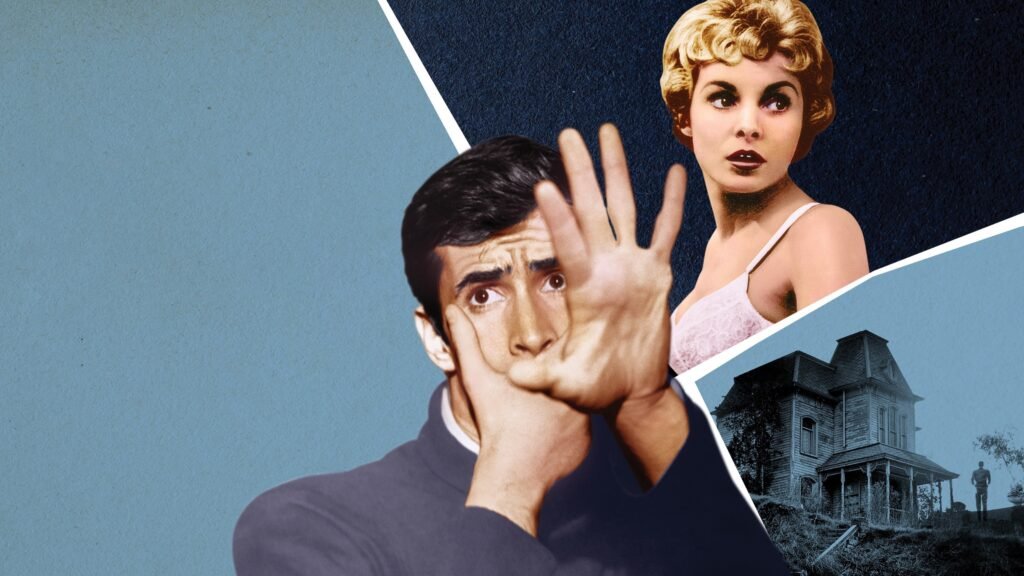
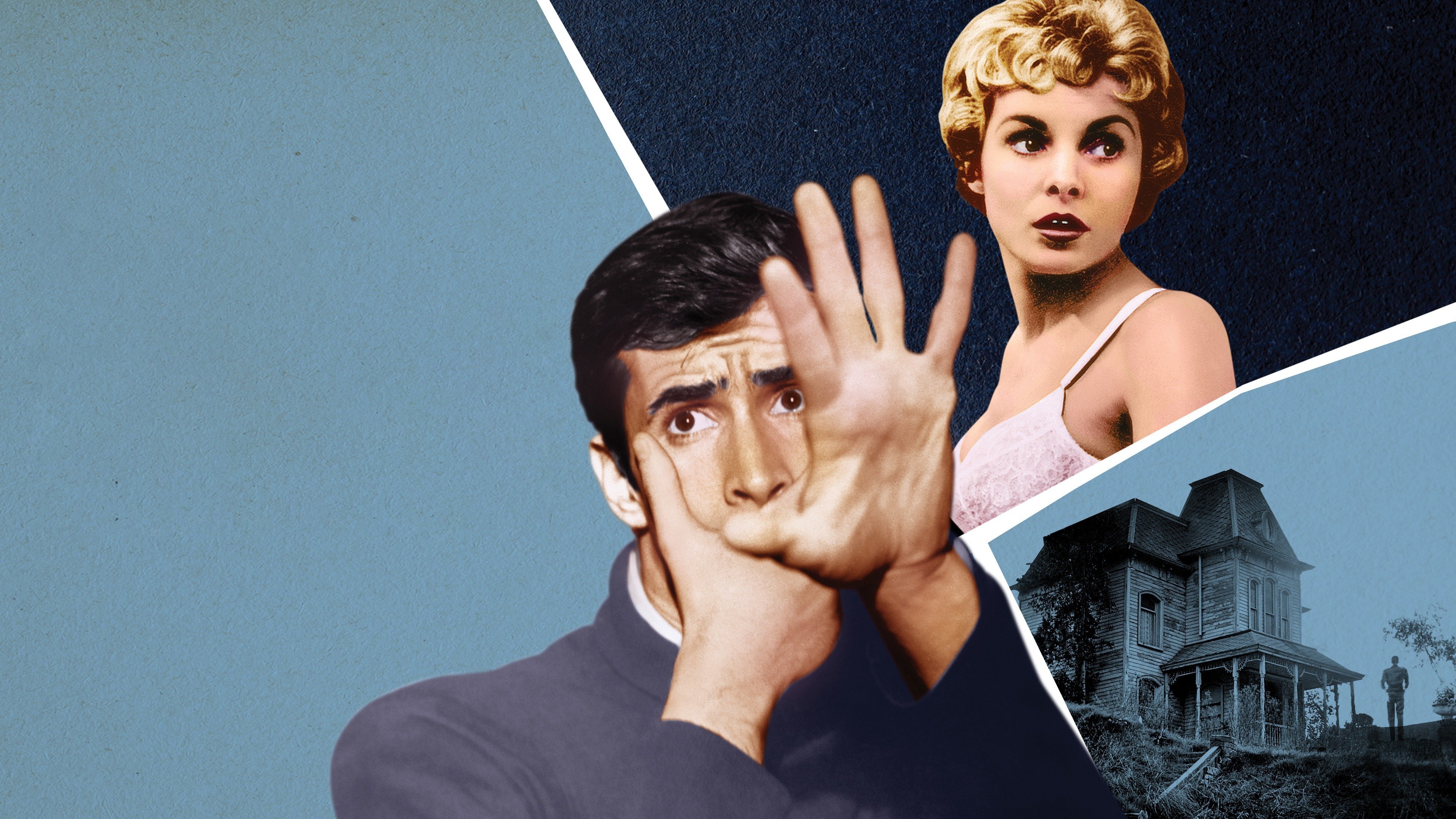

Psycho (1960)
⭐ IMDb Rating: 8.5
🎭 Genre: Drama, Horror, Mystery
⏱ Runtime: 109 min
🎬 Director: Alfred Hitchcock
📅 Released: 08 Sep 1960
🌍 Country: United States
Introduction
Alfred Hitchcock's *Psycho* isn't just a film; it's a cultural phenomenon that redefined cinematic suspense and psychological thrills, forever embedding itself into the fabric of popular culture. Released in 1960, this masterful creation from the "Master of Suspense" carved an indelible mark on the landscape of cinema, proving that true horror often lies not in grotesque monsters, but within the unsettling depths of the human psyche. From its audacious narrative choices to its groundbreaking technical execution, *Psycho* challenged audience expectations, playing with conventional storytelling rules and forever altering the blueprint for countless thrillers and horror films that followed. It stands as a powerful testament to Hitchcock’s unparalleled genius that, over six decades later, the film continues to captivate, unsettle, and provoke thought, drawing new generations into its meticulously crafted web of tension and mystery. For anyone seeking to understand the enduring power of classic cinema and the art of suspense, *Psycho* remains an absolute must-watch classic, inviting you to check in to the legendary Bates Motel for an unforgettable experience.
Story
The narrative of *Psycho* begins with Marion Crane, a seemingly ordinary Phoenix real estate secretary who makes a fateful, impulsive decision that sets her on a desperate flight. Entangled in a web of personal financial woes, she seeks refuge and anonymity on a remote back road during a torrential rainstorm. Her journey leads her to the isolated Bates Motel, a seemingly unassuming roadside establishment managed by the shy, peculiar, yet oddly charming Norman Bates. As the storm rages outside, Marion finds herself drawn into an unnerving dynamic with Norman and his unseen, overbearing mother. The film meticulously builds an atmosphere of unease, hinting at deeper currents beneath the motel's outwardly quiet facade. Hitchcock masterfully draws viewers into Marion’s escalating anxiety, creating a palpable sense of dread without revealing the true horrors lurking in the shadows. This compelling setup is a slow burn that promises much more than it initially shows, leaving audiences on the edge of their seats wondering what dark secrets the Bates Motel truly holds.
Main Cast
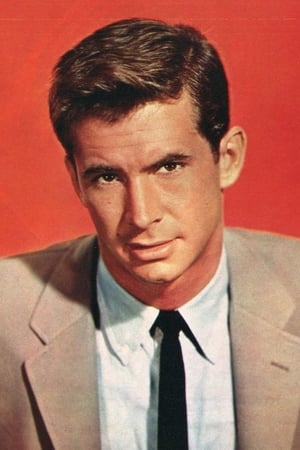
Anthony Perkins
Norman Bates

Janet Leigh
Marion Crane

Vera Miles
Lila Crane

John Gavin
Sam Loomis
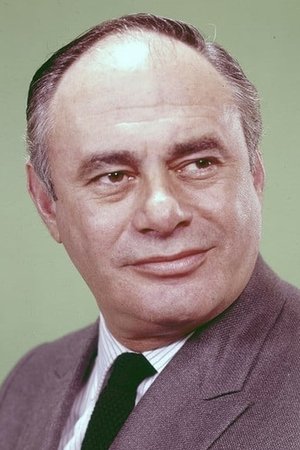
Martin Balsam
Milton Arbogast

John McIntire
Al Chambers

Simon Oakland
Fred Richman

Frank Albertson
Tom Cassidy
Movie Information
| IMDb Rating | 8.5 |
| Genre | Drama, Horror, Mystery |
| Runtime | 109 min |
| Director | Alfred Hitchcock |
| Writer | Joseph Stefano, Robert Bloch |
| Actors | Anthony Perkins, Janet Leigh, Vera Miles |
| Language | English |
| Country | United States |
| Awards | Nominated for 4 Oscars. 8 wins & 14 nominations total |
| Released | 08 Sep 1960 |
Cast Performance
The indelible impact of *Psycho* owes much to its extraordinary lead performances, particularly those of Anthony Perkins as Norman Bates and Janet Leigh as Marion Crane. Perkins delivers a performance that is nothing short of iconic, crafting Norman into a character of unsettling vulnerability and deeply hidden complexities. His portrayal perfectly balances awkward shyness with a simmering intensity, making Norman both sympathetic and profoundly disturbing, often within the same scene. Janet Leigh, as Marion, anchors the film's initial chapters with a nuanced depiction of a woman grappling with the consequences of her actions. Her portrayal is captivating, drawing the audience into her moral dilemma and escalating paranoia. The chemistry between Leigh and Perkins, though fraught with tension, is electric, creating an uneasy dynamic that forms the psychological core of the film. Their performances are so integral to the film's success that it's almost impossible to imagine *Psycho* without their masterful contributions, proving how pivotal expert acting can be in elevating a suspense narrative.
Cinematography
Hitchcock’s choice to film *Psycho* in black and white was a stroke of genius, not merely a budgetary decision, but an artistic one that amplifies the film's chilling atmosphere. The stark contrast of light and shadow creates an oppressive, claustrophobic environment that mirrors the characters' internal struggles. Cinematographer John L. Russell expertly uses low-angle shots to make the imposing Bates house loom ominously against the stormy sky, transforming it into a character itself. Close-ups on characters’ faces emphasize their fear, suspicion, and internal conflict, drawing the audience intimately into their psychological states. The camera movements are precise and deliberate, guiding the viewer's eye exactly where Hitchcock wants it, building suspense with every pan and zoom. This visual mastery ensures that even the most mundane objects or settings take on an unsettling quality, transforming a simple motel into a landscape of dread. The black and white palette also lends a timeless, almost dreamlike quality to the horror, making the film’s psychological terror feel even more immediate and visceral.
Soundtrack
Bernard Herrmann’s revolutionary score for *Psycho* is arguably one of the most famous and influential in cinematic history, single-handedly redefining the role of music in generating suspense. Eschewing traditional orchestral arrangements, Herrmann composed a score solely for a string orchestra, utilizing a startling palette of shrieks, stabs, and unsettling dissonances. This unique approach creates an almost relentless, abrasive auditory experience that perfectly mirrors the film's psychological torment. The most iconic moment, of course, is the unforgettable "screaming strings" sequence, which has become synonymous with cinematic terror and a hallmark of the slasher genre it helped inspire. However, Herrmann's genius extends beyond this single shock moment; his entire score is a masterclass in building tension, from the haunting, melancholic melodies accompanying Marion's drive to the increasingly frantic rhythms that underscore the film’s unraveling mysteries. The music doesn't just accompany the visuals; it actively participates in the storytelling, manipulating audience emotions and elevating every moment of dread to unbearable heights.
Review
*Psycho* stands as an enduring masterpiece, a pivotal moment in cinema that fundamentally altered the landscape of thrillers and horror. Critics lauded Hitchcock's audacious vision and his willingness to defy conventional storytelling norms, delivering a film that was both shocking and deeply unsettling. Its impact on subsequent generations of filmmakers is immeasurable, with countless homages and direct inspirations drawn from its innovative narrative structure and psychological depth. More than just a horror film, *Psycho* is a sophisticated character study wrapped in a suspenseful package, exploring themes of guilt, obsession, and the fragility of the human mind. It’s a film that demands repeated viewings, revealing new layers of detail and thematic complexity with each watch. Its ability to create genuine, visceral fear through suggestion and psychological manipulation, rather than gore, solidifies its status as a timeless classic. Even decades later, *Psycho* retains its power to shock, to thrill, and to prompt thoughtful discussion, proving its lasting critical relevance and undeniable artistic merit.
Box Office
Against all expectations, *Psycho* was an unprecedented commercial success, especially considering its modest budget and the controversial nature of its content for the era. Produced for a mere $800,000, a relatively small sum even for 1960, the film went on to gross an astounding $32 million worldwide during its initial release, making it one of the highest-grossing films of the year and Hitchcock’s most profitable film. This financial triumph was partly due to Hitchcock's clever marketing campaign, which included strict "no late admissions" policies to prevent spoilers and foster a unique communal viewing experience, transforming it into a must-see event. The film's success proved that low-budget, high-concept thrillers could be incredibly lucrative, paving the way for a new wave of suspense and horror cinema. Its phenomenal box office performance not only cemented Alfred Hitchcock’s status as a master filmmaker but also demonstrated the immense appetite audiences had for sophisticated, boundary-pushing psychological thrillers, securing its place as a groundbreaking economic as well as artistic achievement.
Awards
While *Psycho* may not have swept the major awards ceremonies of its time, its critical acclaim and profound cultural impact far outweigh any lack of golden statues. The film did receive four Academy Award nominations, a testament to its artistic merit: Best Director for Alfred Hitchcock, Best Supporting Actress for Janet Leigh, Best Cinematography (Black-and-White) for John L. Russell, and Best Art Direction (Black-and-White) for Joseph Hurley, Robert Clatworthy, and George Milo. Although it didn't win in these categories, the nominations themselves signify the industry's recognition of its groundbreaking achievements. More importantly, *Psycho*'s true "awards" are its enduring legacy and its unparalleled influence on cinema. It shattered conventions, inspired countless filmmakers, and became a cornerstone of film studies. Its status as a universally recognized masterpiece and a constant presence on "greatest films" lists worldwide is arguably a far more significant accolade than any single trophy, speaking volumes about its timeless power and cinematic innovation.
Who Should Watch This Movie?
*Psycho* is an absolute must-watch for a broad spectrum of viewers, extending far beyond the typical horror aficionado. First and foremost, it’s essential viewing for anyone interested in classic cinema and the foundational works that shaped modern filmmaking. Film students and aspiring directors will find a treasure trove of narrative techniques, masterful pacing, and visual storytelling on display. Fans of psychological thrillers and suspense will be engrossed by its cunning plot and relentless tension, demonstrating how to build dread without relying on jump scares or gratuitous gore. Even those who generally shy away from horror might find *Psycho* compelling, as its terror is largely psychological and deeply unsettling rather than overtly graphic. It's a film for cinephiles, history buffs, and anyone curious about the origins of modern cinematic suspense. Prepare for a journey into the mind of a master filmmaker and a story that continues to resonate decades after its release.
Frequently Asked Questions
Is "Psycho" (1960) a true story?
No, "Psycho" is not a true story. It is a fictional film based on Robert Bloch's 1959 novel of the same name. However, Bloch was reportedly inspired by the real-life Wisconsin murderer and grave robber Ed Gein, whose macabre activities became public knowledge in the late 1950s. While some elements might have drawn loose inspiration from Gein's case, the film's plot and characters are entirely a work of fiction.
Why is "Psycho" considered so influential in film history?
"Psycho" is considered groundbreaking for several reasons. It notoriously defied conventional narrative expectations, including a shocking twist early in the film that subverted audience expectations about protagonists. Its innovative use of suspense, particularly through quick cuts and a revolutionary score, pioneered techniques that became staples in thrillers and horror films. It also pushed boundaries in depicting psychological horror, proving that terror could be derived from the human mind rather than supernatural elements, greatly influencing the nascent slasher genre.
Does "Psycho" (1960) contain excessive gore?
Surprisingly, for a film so famous for its horror, "Psycho" contains very little explicit gore by modern standards. Alfred Hitchcock masterfully uses suggestion, clever editing, Bernard Herrmann's shrieking score, and the power of the audience's imagination to create terror. The film focuses more on psychological dread and suspense rather than graphic visuals, making it impactful without relying on overt blood and guts. Its shocks are primarily derived from narrative surprises and psychological tension.
Is "Psycho" (1960) suitable for all audiences?
"Psycho" (1960) is rated R in the US (originally passed without a rating, then given an R rating upon re-release by the MPAA). While it lacks graphic gore, its themes of psychological disturbance, murder, and sexuality, combined with its intense suspense, make it more suitable for mature audiences. Younger viewers might find its unsettling atmosphere and mature themes disturbing, even if the visual content isn't explicitly violent by contemporary standards. Viewer discretion is advised.
How did Alfred Hitchcock manage to keep "Psycho's" ending a secret?
Alfred Hitchcock went to extraordinary lengths to protect "Psycho's" plot twists. He bought as many copies as possible of Robert Bloch's source novel to prevent people from reading ahead. He also imposed strict rules on theaters, prohibiting late admissions once the film started, ensuring everyone experienced the story from the beginning. Furthermore, cast and crew members were reportedly sworn to secrecy, maintaining an unprecedented level of discretion to preserve the element of surprise for the audience.
Official Trailer
You May Also Like

Final Stop
2025
⭐ 0.0
Barton Fink
1991
⭐ 7.5

Looking Glass
2018
⭐ 4.8
The Silence of the Lambs
1991
⭐ 8.3
Fargo
1996
⭐ 7.8
Strange Days
1995
⭐ 7.0
Related Movies
Conclusion
Alfred Hitchcock’s *Psycho* remains an unparalleled achievement in cinema, a film that continues to challenge, entertain, and haunt audiences more than sixty years after its premiere. Its daring narrative risks, coupled with innovative direction, unforgettable performances, and a revolutionary score, solidified its status as a timeless masterpiece. Beyond its entertainment value, *Psycho* is a vital piece of film history, illustrating how a low-budget, black-and-white thriller could profoundly impact storytelling, marketing, and the very definition of cinematic horror. Whether you're experiencing its chilling narrative for the first time or revisiting its iconic scenes, the Bates Motel promises an experience unlike any other. It’s a testament to Hitchcock’s genius that this film’s power to surprise and unsettle has not diminished, ensuring its place not just as a classic, but as an essential cinematic experience for anyone who appreciates the art of suspense. Don't just watch *Psycho*; experience it.
For official information check TMDB.