The Good, the Bad and the Ugly (1967) Movie Guide | Cast, Story, Review, Ending Explained & Where to Watch
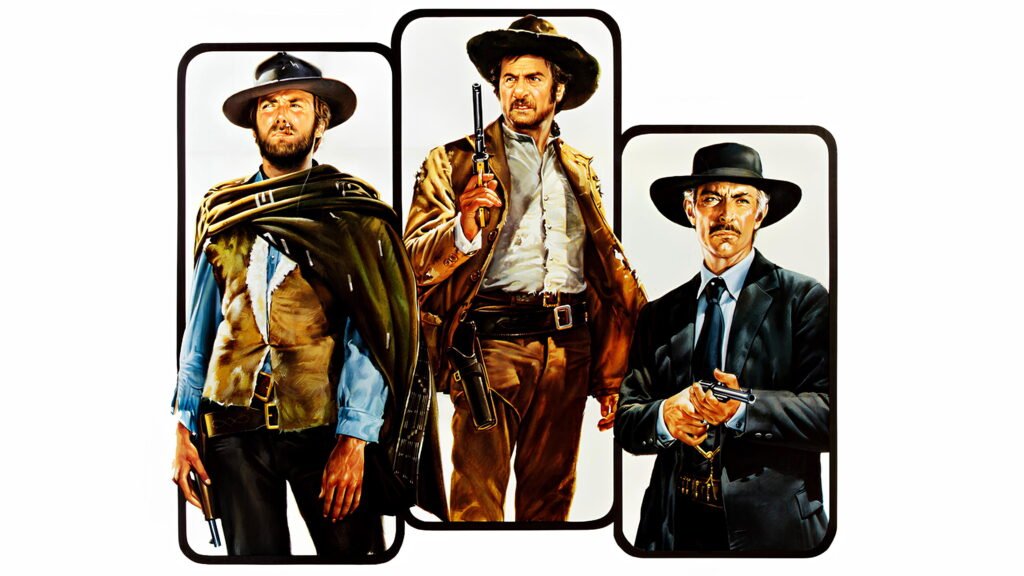


The Good, the Bad and the Ugly (1967)
⭐ IMDb Rating: 8.8
🎭 Genre: Adventure, Drama, Western
⏱ Runtime: 178 min
🎬 Director: Sergio Leone
📅 Released: 29 Dec 1967
🌍 Country: Italy, Spain, West Germany, United States
Introduction
Step into the dusty, sun-baked landscapes of the American Civil War era and discover a cinematic masterpiece that redefined the Western genre: "The Good, the Bad and the Ugly" (1967). Directed by the visionary Sergio Leone, this epic Spaghetti Western is not just a film; it's a cultural phenomenon that has captivated audiences for decades. Hailed as one of the greatest films ever made, it transcends its genre roots to deliver a compelling narrative, iconic characters, and a visual and auditory experience unlike any other. If you're searching for a film that combines breathtaking scope with intimate human drama, all set against a backdrop of war and greed, prepare to embark on a journey that continues to resonate with movie lovers worldwide. This article will delve into what makes this classic an enduring pillar of cinema.
Story
Set amidst the brutal backdrop of the American Civil War, "The Good, the Bad and the Ugly" plunges viewers into a relentless quest for a hidden fortune. The narrative follows three distinct individuals, each driven by their own motivations and moral compass, as they navigate treacherous landscapes and dangerous encounters. Blondie, the enigmatic 'Good,' Tuco, the volatile 'Ugly,' and Angel Eyes, the ruthless 'Bad,' find their paths intertwine in an intricate dance of deception, alliances, and betrayals. Their shared pursuit of a vast amount of gold buried in a remote cemetery fuels a high-stakes adventure, where trust is a luxury and survival is paramount. The film masterfully builds tension, drawing you deeper into a world where every decision carries dire consequences, keeping you on the edge of your seat without revealing any specific plot turns.
Main Cast

Clint Eastwood
Blondie

Eli Wallach
Tuco Ramirez

Lee Van Cleef
Sentenza / Angel Eyes

Aldo Giuffrè
Alcoholic Union Captain

Luigi Pistilli
Father Pablo Ramirez

Rada Rassimov
Maria

Enzo Petito
Storekeeper

Claudio Scarchilli
Tuco Henchman
Movie Information
| IMDb Rating | 8.8 |
| Genre | Adventure, Drama, Western |
| Runtime | 178 min |
| Director | Sergio Leone |
| Writer | Luciano Vincenzoni, Sergio Leone, Agenore Incrocci |
| Actors | Clint Eastwood, Eli Wallach, Lee Van Cleef |
| Language | English, Italian |
| Country | Italy, Spain, West Germany, United States |
| Awards | 2 wins & 5 nominations total |
| Released | 29 Dec 1967 |
Cast Performance
The performances in "The Good, the Bad and the Ugly" are nothing short of legendary, with Clint Eastwood, Eli Wallach, and Lee Van Cleef delivering career-defining portrayals. Clint Eastwood, as the stoic 'Blondie' (The Good), solidified his archetype as the Man with No Name, communicating volumes with a mere squint and a subtle gesture, defining the cool, enigmatic anti-hero. Eli Wallach, as the boisterous and unpredictable 'Tuco' (The Ugly), brings a vibrant, often comical, yet deeply human energy to the screen, providing a crucial counterpoint to Eastwood's quiet intensity. Lee Van Cleef, as the menacing 'Angel Eyes' (The Bad), embodies pure, calculating villainy, his piercing gaze and calm demeanor making him one of cinema's most memorable antagonists. The dynamic interplay between these three actors is the film's beating heart, creating unforgettable chemistry that elevates the entire narrative.
Cinematography
Sergio Leone's directorial prowess is perhaps most evident in the breathtaking cinematography of "The Good, the Bad and the Ugly." Collaborating with director of photography Tonino Delli Colli, Leone crafted a visual language that was revolutionary for its time and remains influential today. The film is famous for its sweeping wide shots that capture the vast, unforgiving beauty of the Spanish landscapes (doubling as the American Southwest), juxtaposed with extreme close-ups that magnify the intensity in an actor's eyes, a bead of sweat, or the twitch of a trigger finger. This unique visual rhythm builds immense suspense and imbues every frame with a sense of epic grandeur and intimate drama. Leone's deliberate pacing, intricate framing, and masterful use of depth of field create an immersive experience, making the dusty, sun-drenched world feel incredibly tangible and alive.
Soundtrack
No discussion of "The Good, the Bad and the Ugly" is complete without celebrating Ennio Morricone's iconic and groundbreaking musical score. Morricone's genius is on full display, delivering a soundtrack that is not merely background music but an integral character in itself. The legendary main theme, with its distinctive coyote howl, whistle, and electrifying instrumentation, instantly evokes the film's wild, untamed spirit. Each of the three main characters is given their own musical leitmotif, allowing the audience to understand their presence even before they appear on screen. From the haunting beauty of 'The Ecstasy of Gold' to the tense, percussive build-up in 'The Trio,' Morricone crafted a score that masterfully amplifies the tension, emotion, and epic scale of Leone's visuals. Its impact on film music is immeasurable, solidifying its place as one of the greatest soundtracks of all time.
Review
More than half a century after its release, "The Good, the Bad and the Ugly" stands tall as an undisputed cinematic masterpiece. Sergio Leone’s ambitious vision, coupled with indelible performances and a revolutionary score, created a film that transcends its genre. It's an epic tale that delves into themes of greed, war, and survival with a stark, brutal honesty, yet also a surprising amount of humor and humanity. The film’s pacing, while deliberate, meticulously builds tension, culminating in unforgettable sequences that are etched into film history. Its impact on subsequent filmmakers and the broader cultural landscape is undeniable, solidifying its status as a cornerstone of cinema. For anyone seeking a truly immersive and thought-provoking film experience, this Spaghetti Western offers a profound journey into the heart of human nature against an epic, unforgiving backdrop.
Box Office
Upon its initial release, "The Good, the Bad and the Ugly" proved to be a significant commercial success, particularly for a European-produced Western. While exact figures vary due to international distribution and re-releases, the film garnered substantial box office revenue, especially in the United States, where it made a strong impression. Its financial success was crucial in solidifying the popularity of the 'Spaghetti Western' genre and cemented Clint Eastwood's status as a major international star. This commercial triumph underscored that audiences were eager for a new, grittier take on the classic Western, propelling Sergio Leone's work into the global spotlight and demonstrating the widespread appeal of his unique cinematic style and storytelling.
Awards
While "The Good, the Bad and the Ugly" is almost universally revered as one of the greatest films ever made today, it’s interesting to note that it didn't receive significant recognition from major award ceremonies like the Academy Awards upon its initial release. This was often the case for foreign-produced films, especially those from the burgeoning 'Spaghetti Western' genre, which were sometimes overlooked by traditional Hollywood. However, the film's true accolades lie in its enduring critical acclaim and immense cultural impact. Over the decades, it has consistently appeared on 'greatest films' lists by critics and publications worldwide, lauded for its direction, performances, score, and overall cinematic achievement. Its legacy as a genre-defining and influential masterpiece far outweighs any formal awards it may have missed.
Who Should Watch This Movie?
If you appreciate epic storytelling, captivating character studies, and groundbreaking filmmaking, "The Good, the Bad and the Ugly" is an absolute must-watch. This film is perfect for fans of classic Westerns who are looking for a grittier, more morally ambiguous take on the genre. It will also appeal to those who enjoy historical dramas, particularly those set during the American Civil War, offering a unique perspective on the era. Beyond genre specifics, anyone who values exceptional cinematography, iconic musical scores, and powerful performances will find immense enjoyment here. If you're eager to witness a film that has influenced countless directors and artists, and understand why certain cinematic tropes became iconic, then prepare to be enthralled by this timeless classic.
Frequently Asked Questions
Is "The Good, the Bad and the Ugly" part of a series?
Yes, it is the third and final film in director Sergio Leone's 'Dollars Trilogy,' also known as the 'Man with No Name Trilogy.' The preceding films are "A Fistful of Dollars" (1964) and "For a Few Dollars More" (1965), both also starring Clint Eastwood.
Who directed "The Good, the Bad and the Ugly"?
The film was directed by the legendary Italian filmmaker Sergio Leone, renowned for his distinctive visual style, epic scope, and his pivotal role in defining the Spaghetti Western genre.
What is a 'Spaghetti Western'?
A 'Spaghetti Western' is a broad subgenre of Western films made in Europe, typically by Italian directors, during the 1960s and 1970s. They are characterized by their often cynical tone, stylized violence, memorable scores, and international casts, often shot in Spain or Italy to double as the American West.
Why is Ennio Morricone's soundtrack for the film so famous?
Ennio Morricone's score is famous for its innovative use of instruments (like electric guitar, whip cracks, and animal sounds), its iconic main theme, and its ability to act as a crucial narrative element. It perfectly complements the film's visuals and characters, creating an unforgettable auditory experience that became a benchmark for film scores.
Is "The Good, the Bad and the Ugly" suitable for younger viewers?
While a classic, the film contains violence, mature themes related to war and greed, and is quite long (nearly three hours). It's generally considered suitable for older teenagers and adults due to its content and complex themes, rather than young children.
Official Trailer
You May Also Like
Unforgiven
1992
⭐ 7.9
A Fistful of Dollars
1964
⭐ 7.8
Once Upon a Time in the West
1968
⭐ 8.3
High Noon
1952
⭐ 7.7

Duck, You Sucker
1971
⭐ 7.7
The Valley of Death
1968
⭐ 6.5
Related Movies
Conclusion
In the annals of cinema, few films possess the enduring power and cultural resonance of "The Good, the Bad and the Ugly." It's more than just a Spaghetti Western; it's a monumental achievement in filmmaking that combines Sergio Leone's unparalleled vision with unforgettable performances, a revolutionary score by Ennio Morricone, and stunning cinematography. Its themes of war, greed, and the ambiguous nature of morality continue to captivate and provoke thought. Whether you're a long-time cinephile or a newcomer to classic cinema, this film offers an experience that is both grand in scale and intimately human. "The Good, the Bad and the Ugly" isn't just a movie to watch; it's a piece of cinematic history to be experienced, appreciated, and revisited for generations to come. Don't miss the chance to discover or rediscover this unparalleled masterpiece.
For official information check TMDB.