M (1931) Movie Guide | Cast, Story, Review, Ending Explained & Where to Watch


M (1931)
⭐ IMDb Rating: 8.3
🎭 Genre: Crime, Mystery, Thriller
⏱ Runtime: 99 min
🎬 Director: Fritz Lang
📅 Released: 31 Aug 1931
🌍 Country: Germany
Introduction
Step back into the gritty, atmospheric streets of 1931 Berlin with Fritz Lang’s groundbreaking masterpiece, "M." This classic German cinema gem is not just an early sound film; it's a chilling psychological thriller that redefined cinematic storytelling. Lang's visionary direction crafted a suspenseful drama that continues to captivate audiences nearly a century after its debut.
It stands as a monumental achievement in film history, influencing countless filmmakers and shaping the landscape of the crime genre. Its exploration of moral ambiguity and societal fear remains remarkably resonant even today. Prepare to delve into a dark, compelling narrative that explores the depths of human nature and collective paranoia.
Story
The narrative of "M" plunges viewers into a city gripped by unimaginable fear, where children are vanishing without a trace. As panic escalates, both the city’s beleaguered police force and its ruthless criminal underworld launch a desperate, parallel hunt for the perpetrator.
This unique dual pursuit creates an extraordinary tension, highlighting the desperate measures taken by an entire society under siege. The film masterfully explores themes of justice, vigilantism, and the blurred lines between order and chaos, all without revealing explicit details of the killer's motives or actions.
The story is a relentless descent into urban dread, forcing characters and audiences alike to confront unsettling questions about crime, punishment, and collective responsibility. It's a suspenseful drama that keeps you on the edge, showcasing a compelling social commentary through its intricate plot.
Main Cast

Peter Lorre
Hans Beckert

Ellen Widmann
Frau Beckmann

Inge Landgut
Elsie Beckmann

Otto Wernicke
Inspector Karl Lohmann

Theodor Loos
Inspector Groeber

Gustaf Gründgens
Schränker
Friedrich Gnaß
Franz

Fritz Odemar
The Cheater
Movie Information
| IMDb Rating | 8.3 |
| Genre | Crime, Mystery, Thriller |
| Runtime | 99 min |
| Director | Fritz Lang |
| Writer | Thea von Harbou, Fritz Lang, Egon Jacobsohn |
| Actors | Peter Lorre, Ellen Widmann, Inge Landgut |
| Language | German |
| Country | Germany |
| Awards | 2 wins total |
| Released | 31 Aug 1931 |
Cast Performance
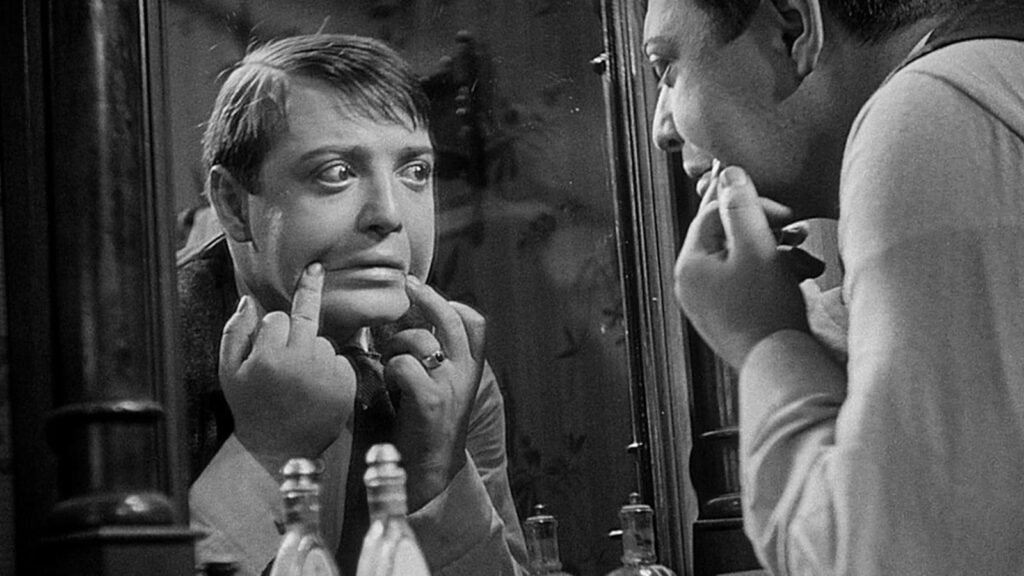
At the heart of "M" lies an unforgettable performance by Peter Lorre, whose portrayal of the tormented central figure is nothing short of iconic. Lorre's ability to convey profound psychological distress and vulnerability through subtle expressions and gestures set a new standard for screen acting.
His nuanced performance brings an unsettling humanity to a truly terrifying character, making him one of the most compelling villains in cinematic history. Lorre's debut in a feature film instantly cemented his status as a formidable talent, influencing generations of actors who followed.
The broader ensemble cast also delivers powerful performances, contributing to the film's raw realism and intense atmosphere. Their collective effort creates a believable, desperate city, amplifying the overall impact of this psychological thriller.
Cinematography
Fritz Lang's "M" masterful use of cinematography in is a pivotal element that solidifies its status as a cinematic masterpiece. The film's visual style is deeply rooted in German Expressionism, utilizing stark contrasts of light and shadow to create a palpable sense of dread and suspense.
Lang employed innovative camera angles and dynamic compositions to heighten emotional impact and build a pervasive atmosphere of unease. His visual storytelling techniques were revolutionary for their time, effectively communicating the city's paranoia and the characters' psychological states.
The striking chiaroscuro lighting and intricate set designs contribute immensely to the film's lasting influence, serving as a significant precursor to the visual language of film noir. Each frame is meticulously crafted, drawing viewers deeper into its dark and foreboding world.
Soundtrack
As one of the earliest sound films, "M" demonstrates Fritz Lang's pioneering genius in its use of audio, or rather, the deliberate absence of a traditional musical soundtrack. Instead, Lang meticulously crafted a soundscape built on diegetic sounds, silence, and one profoundly memorable auditory motif.
This innovative approach made the film's environment feel more authentic and immediate, immersing the audience directly into the urban chaos. The careful use of ambient noise, screams, and sudden quiet moments intensifies the psychological impact and suspense.
The film's most iconic sound element is a specific whistling tune, which becomes inextricably linked to the central character, serving as both a clue and a chilling calling card. This groundbreaking integration of sound as a narrative device proved that early sound films could be far more sophisticated than simple talking pictures.
Review
It continues to garner universal critical acclaim, hailed as one of the greatest films ever made and an indispensable classic of German cinema. Critics praise its daring narrative, innovative technical achievements, and profound psychological depth.
Lang's astute direction and Peter Lorre's unforgettable performance are frequently singled out for their lasting impact. The film's exploration of societal hysteria and the nature of evil remains disturbingly relevant, securing its place as an enduring masterpiece.
For anyone interested in the evolution of filmmaking, the power of suspense, or the dark corners of the human psyche, it is an essential and deeply rewarding viewing experience. It's a powerful statement on crime and justice that resonates across generations.
Box Office
While precise box office figures from the 1930s can be difficult to ascertain, the enduring legacy and widespread critical success of this film speak volumes about its profound impact. This film was a significant commercial success for its time in Germany, contributing to UFA's prestige.
The film's real triumph, however, lies not just in its initial financial performance, but in its unparalleled cultural and historical significance. It quickly achieved international recognition, cementing Fritz Lang's reputation as a master filmmaker.
Its continued study in film schools and inclusion on 'greatest films' lists worldwide serve as a testament to its lasting value. It proved that early sound films could deliver complex narratives and deeply psychological themes, influencing global cinema for decades.
Awards
In an era predating the widespread establishment of major international film awards as we know them today, it earned its accolades through critical consensus and lasting cultural impact. While it didn't win an Oscar in 1931, its artistic merit was immediately recognized.
The film consistently appears on critics' lists of the greatest films of all time, a testament to its enduring power and influence. Its inclusion in numerous film archives globally highlights its importance in cinema history.
It has received countless retrospective honors and scholarly attention over the decades, solidifying its status as an invaluable cinematic treasure. These recognitions transcend typical award ceremonies, marking it as a true benchmark in psychological thrillers.
Who Should Watch This Movie?
If you are a fan of classic thrillers, crime dramas, or deeply psychological storytelling, "M" is an absolute must-watch. This film offers a fascinating look into the early days of sound cinema and its narrative potential.
Film history buffs and students of German Expressionism will find its visual and thematic innovations incredibly rewarding. It's also essential viewing for anyone interested in the origins of film noir and its unique visual language.
This film appeals to those who appreciate a gripping narrative that delves into profound societal questions and human morality. Prepare for a suspenseful drama that will challenge your perceptions and stay with you long after the credits roll.
Frequently Asked Questions
Who directed the classic film "M" (1931)?
The iconic psychological thriller "M" (1931) was brilliantly directed by the legendary German-Austrian filmmaker Fritz Lang. His visionary work on this film cemented his status as a cinematic master.
Is "M" (1931) considered a silent film?
No, "M" (1931) is not a silent film; it is one of the earliest and most influential sound films. Fritz Lang made pioneering use of diegetic sound and silence to enhance its suspenseful atmosphere.
What genre does "M" (1931) belong to?
It is primarily classified as a psychological thriller and a crime drama. It also features strong elements of social commentary and is considered a seminal work in German Expressionist cinema.
Who is the main actor in "M" (1931)?
The central role is masterfully played by Peter Lorre, in what is considered his breakout and most iconic performance. His portrayal is a cornerstone of the film's enduring power.
What is the significance of the whistling in "M" (1931)?
The whistling of a particular tune in "M" (1931) is a crucial narrative and psychological element. It serves as a haunting motif, identifying the unseen perpetrator and intensifying the film's pervasive sense of dread and suspense.
Official Trailer
You May Also Like
Ride the Pink Horse
1947
⭐ 7.2

Jawbreaker
1999
⭐ 6.4
In Cold Blood
1967
⭐ 7.5

Angst
1983
⭐ 7.1

The Turn of the Screw
1959
⭐ 7.0

Cochin Express
1967
⭐ 7.3
Related Movies
<
Conclusion
Fritz Lang's "M" remains an unparalleled cinematic achievement, a haunting psychological thriller that continues to resonate with audiences and filmmakers alike. Its innovative use of sound, stark visuals, and powerful performances solidified its place in the pantheon of film history.
More than just a historical artifact, this film is a timeless classic that masterfully explores themes of fear, justice, and the dark side of humanity. Its enduring influence on crime dramas and suspense films cannot be overstated.
Experience this iconic piece of classic German cinema for yourself and discover why this film is celebrated as an enduring masterpiece that continues to provoke thought and spark discussion.
Learn more about M on
Official TMDb Page
.